Key Takeaways
- 3D tours offer immersive digital showings, but they aren’t always necessary or beneficial for every property.
- Understanding the true strengths and limits of 3D tours helps you decide when to invest in this technology for your home sale.
If you’re planning to sell your home in 2026, you’ve likely seen 3D tours showcased on many property listings. Are 3D tours a must-have feature, or just another real estate trend? Here’s a research-backed look at what 3D tours actually offer, when they make sense, and the common myths to avoid.
What Are 3D Tours for Homes?
How 3D tours work
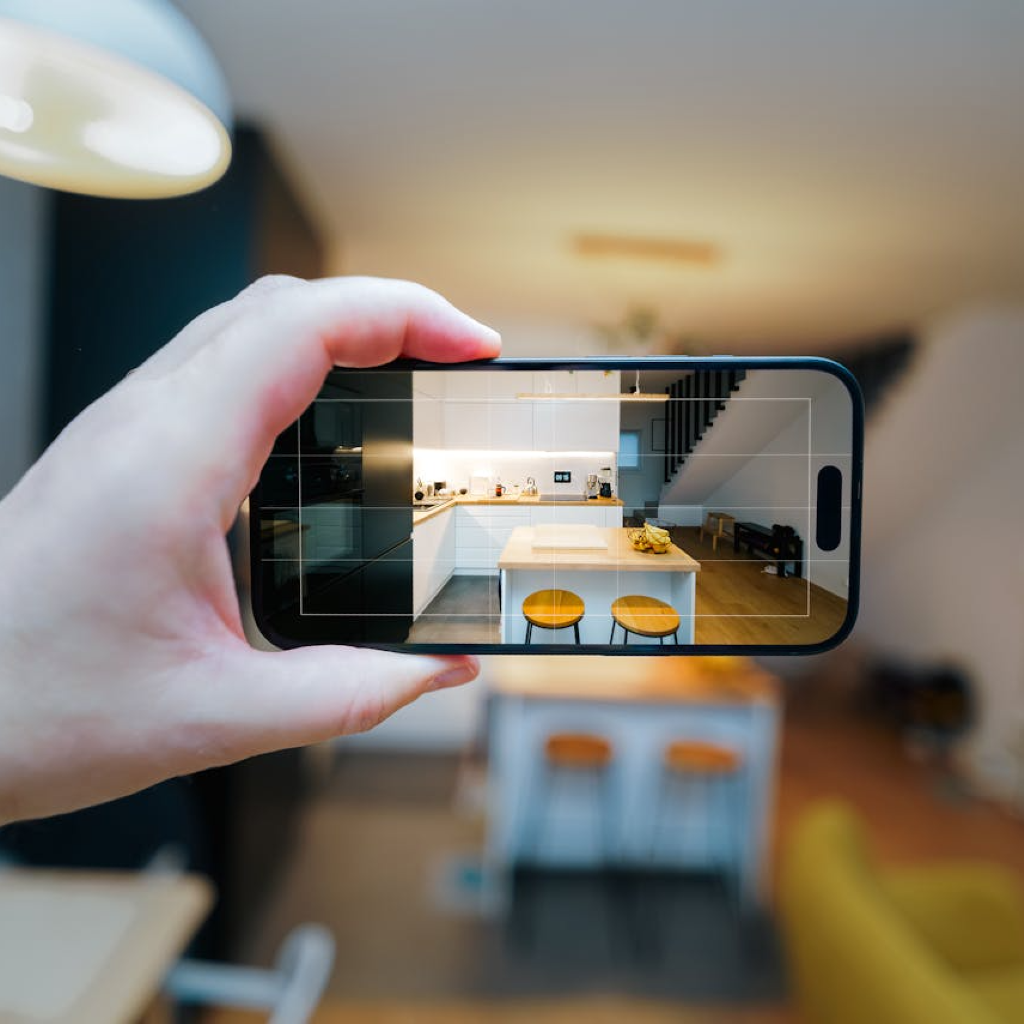
A 3D tour is a virtual walk-through of your home created using specialized cameras and software. Imagine letting a potential buyer explore your property room by room, turning corners and zooming in, all from the comfort of their own device. These tours stitch together high-resolution images, often using laser scanning, to form a realistic and interactive experience.
With 3D tours, buyers move beyond static images. They can see how spaces connect, assess light and flow, and even measure walls or windows. Many platforms allow users to view the home from a floorplan perspective, or move freely as if they’re inside.
3D tours vs photo galleries
Photo galleries display a curated set of images, usually showing the most attractive angles or features. While photos are quick to browse, they often leave buyers with questions: How big is that room, really? Does the bedroom connect to the bathroom? A 3D tour answers many of these by offering spatial context. Buyers can move through the virtual space at their own pace, which helps set realistic expectations and reduces surprises during showings.
Do 3D Tours Actually Help Sell?
Buyer preferences for 3D tours
Recent surveys show that many buyers appreciate the convenience and detail of 3D tours. Especially in 2026, with more buyers searching online before ever setting foot in a home, 3D tours can help your listing stand out. Buyers value being able to tour a property anytime and revisit it as often as they need. For out-of-area buyers, or those with limited time, a 3D tour can be a deciding factor in scheduling an in-person visit.
Is a 3D tour always needed?
Despite their popularity, 3D tours aren’t essential for every home sale. Some buyers still prefer in-person experience or find photos sufficient. High demand areas or entry-level homes, where listings move quickly, may not need a 3D tour to attract interest. The need for a 3D tour depends on your market, property type, and the likely buyer profile.
Common Myths About 3D Tours
Myth: 3D tours guarantee higher sale prices
One common misconception is that a 3D tour automatically leads to a higher closing price. While virtual tours often increase online interest and improve a listing’s appeal, there’s no guarantee they directly affect sale price. Many other factors—location, pricing, and home condition—will influence the outcome.
Myth: 3D tours replace open houses
Another myth is that having a 3D tour means you can skip open houses or private showings. In reality, while these tours can pre-qualify serious buyers and reduce unnecessary foot traffic, most buyers still want to see a property in person before making a decision. 3D tours complement but do not replace traditional selling activities.
When Should You Use a 3D Tour?
Best times and situations
Consider a 3D tour if your home is unique, has an open layout, or features architectural elements that photos can’t fully convey. Properties that might attract buyers from outside your local area—such as vacation homes or relocations—also benefit from 3D tours. If your home will be vacant during the selling process, a 3D tour can showcase the space with staging before move-out.
Types of homes that benefit most
Larger homes, homes with complex floor plans, or newly built properties show especially well in 3D. Condominiums, units with limited access for showings, or homes marketed to tech-savvy or remote buyers also benefit. For very small, straightforward homes or those that require major improvement, a 3D tour may add less value.
What Are the Limitations of 3D Tours?
Challenges with 3D imaging
Creating a high-quality 3D tour requires professional-grade equipment and expertise. Some spaces—like tight hallways, cluttered rooms, or awkwardly shaped areas—may not translate well to virtual reality. Lighting, camera angles, and image stitching can also impact the final product.
Privacy and preparation tips
A 3D tour captures almost every detail of your living space. This means personal items, valuables, and sensitive information should be removed or hidden before filming. Think about family photos, mail, or anything you wouldn’t want broadcast to online viewers. It’s wise to discuss privacy measures with your photographer to control what’s visible in the final tour.
How Do You Prepare for a 3D Tour?
Simple prep steps for homeowners
Start by cleaning thoroughly—floors, surfaces, and windows should all sparkle. Declutter every room, removing any excess furniture, boxes, or visible cords. Open all blinds or curtains to maximize natural light. Replace burnt-out bulbs to keep rooms looking bright and inviting. If possible, consider temporary staging to accentuate your home’s best qualities.
Common mistakes to avoid
Don’t overlook spaces simply because you won’t photograph them closely; 3D tours show everything. Closets, laundry rooms, and garages should be tidied as well. Avoid last-minute rush cleaning, which often leaves overlooked corners or piles. Be sure to test lighting throughout the home and address any dark areas, as cameras may exaggerate shadows and create distorted views.
Are 3D Tours Worth It for All Sellers?
Cost vs potential benefits
3D tours typically require an upfront investment for photography and software. The cost varies by market and home size. For many sellers, especially those with higher-value properties or challenging layouts, the potential increase in buyer engagement can be worthwhile. For homes likely to sell quickly due to location or price, the added expense may not provide a significant return.
Alternatives to 3D tours
If a 3D tour doesn’t suit your needs or budget, consider a well-planned photo gallery, simple video walk-through, or even a live virtual tour where buyers can “attend” in real time. Each method has its strengths—choose the approach that best matches your home and target buyers.