Key Takeaways:
- Selling a historic home requires thorough preparation, including historical research and maintenance.
- Highlighting unique historical features and navigating preservation regulations are crucial for maximizing the home’s appeal and value.
6 Tips for Selling a Historic Home: Learn Here
Understanding the Appeal of Historic Homes
Historical Significance and Charm
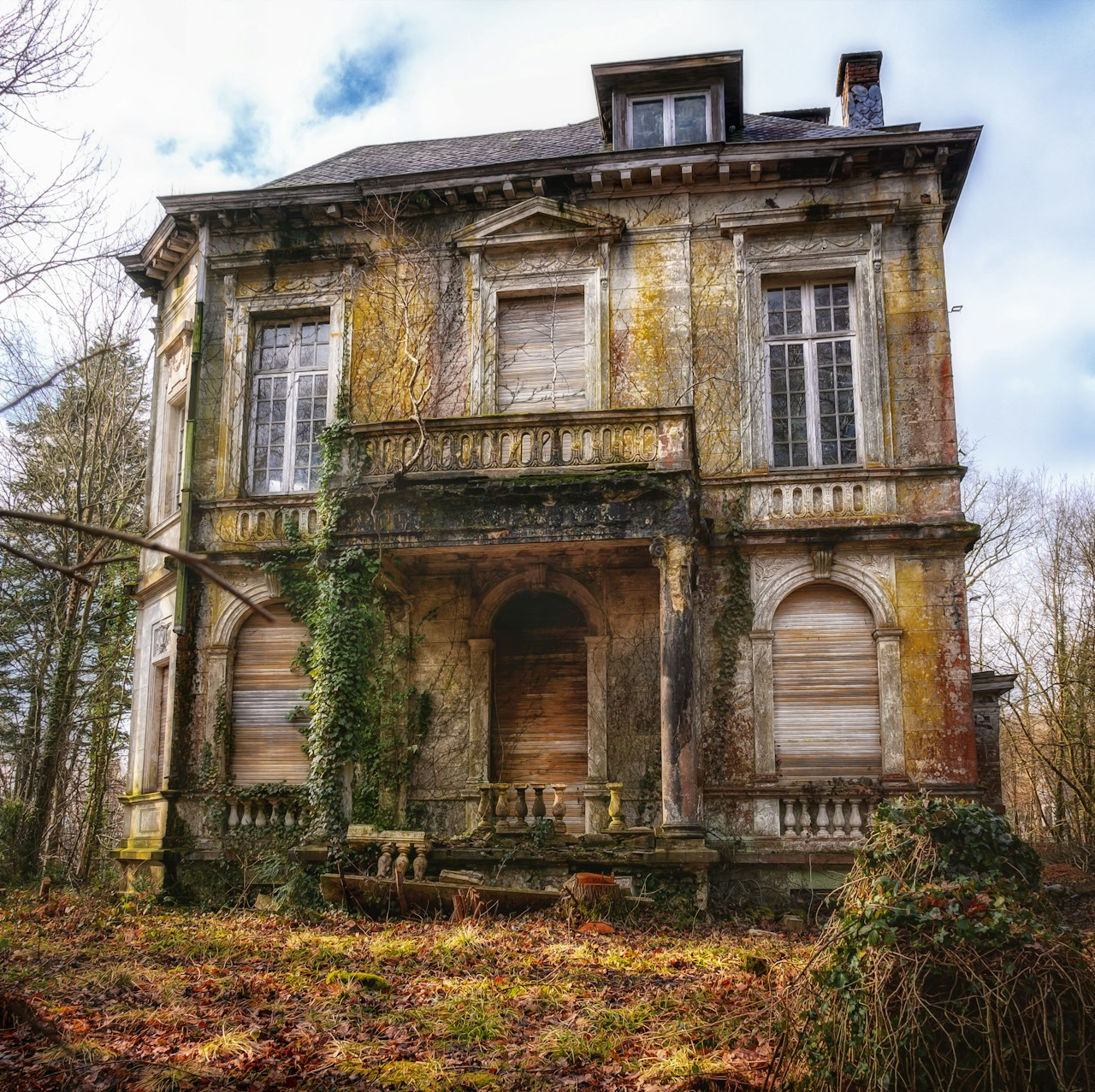
Historic homes are prized for their architectural beauty, craftsmanship, and historical significance. Buyers often seek out these properties for their unique character and connection to the past.
Unique Architectural Features
Highlighting original features such as intricate woodwork, stained glass windows, or period-specific details can enhance the appeal of a historic home. These elements contribute to its charm and distinguish it from modern properties.
Preparing Your Historic Home for Sale
Conducting Historical Research
Before listing your historic home, conduct thorough research into its history and significance. Documenting its architectural style, previous owners, and any notable events can help market the property effectively.
Addressing Maintenance and Repairs
Ensure the home is in top condition by addressing any maintenance issues and necessary repairs. Preservation of historical integrity while ensuring structural soundness is critical to attracting buyers.
Showcasing Original Architecture
Emphasize the unique architectural features that define the home’s historical character. Use staging and photography to highlight elements like original fireplaces, moldings, or period-specific design details.
Emphasizing Historical Documentation
Provide potential buyers with documentation that highlights the home’s historical significance. This may include historical photos, architectural drawings, or records of renovations that preserve its authenticity.
Navigating Regulations and Restrictions
Historic Preservation Guidelines
Understand and comply with local historic preservation guidelines and regulations. These may include restrictions on renovations, exterior modifications, or additions that could impact the home’s historical integrity.
Understanding Zoning and Renovation Restrictions
Be aware of zoning laws and restrictions that apply to historic properties. Consult with local authorities or preservation organizations to navigate these regulations and ensure compliance.
Marketing Strategies for Historic Homes
Targeting Historical Home Enthusiasts
Market the home to buyers who appreciate historic properties. Utilize niche marketing strategies that highlight the home’s historical value and appeal to preservation-minded individuals.
Utilizing Historical Preservation Organizations
Collaborate with historical preservation organizations or local history societies to promote the home. These partnerships can attract buyers interested in preserving and maintaining historic properties.
Working with Experienced Real Estate Professionals
Finding a Realtor Specializing in Historic Properties
Choose a real estate agent with experience selling historic homes. An agent familiar with the unique challenges and marketing strategies for historic properties can effectively represent your home.
Collaborating with Historic Home Experts
Engage professionals such as appraisers, architects, or contractors specializing in historic preservation. Their expertise can provide valuable insights and guidance throughout the selling process.
Conclusion
Selling a historic home requires careful planning, preservation of historical integrity, and strategic marketing. By understanding the unique appeal of historic properties, preparing the home effectively, navigating regulatory challenges, and leveraging specialized marketing strategies, sellers can maximize the home’s value and appeal to discerning buyers interested in preserving history.