Key Takeaways
- 3D tours give buyers a realistic, immersive way to explore homes remotely and conveniently.
- Virtual tours can help listings stand out online by increasing engagement, transparency, and appeal.
If you’re thinking about selling your home, you’ve probably noticed how much real estate has changed in recent years. 3D virtual tours are now a common feature in home listings, allowing buyers to explore properties from anywhere. In this article, you’ll learn what 3D tours involve, how they work, their advantages for sellers, and tips for preparing your home for a successful tour.
What Are 3D Tours?
3D tour definition
3D tours are digital representations of a property that allow viewers to virtually walk through a home at their own pace. Unlike flat photos or standard videos, these interactive tours use specialized cameras and software to capture detailed, panoramic views of every room. As a result, buyers get a sense of the layout and real dimensions, often as if they’re physically present.
Typical features of 3D tours
Common features of 3D tours include the ability to click and move from one spot to another within a room, rotate views in all directions, and zoom in on details. Many 3D tours also include “dollhouse” views that show the property’s overall structure, floor plans, and even measurement tools for estimating space. This gives buyers flexibility to focus on what interests them most.
How 3D tours differ from video
While videos take viewers on a guided walkthrough, 3D tours are interactive. Buyers control where they go and what they look at. This difference allows every visitor to create their own experience and revisit parts of the home as often as they like, something a standard video can’t provide.
How Do 3D Virtual Tours Work?
Technology behind 3D tours
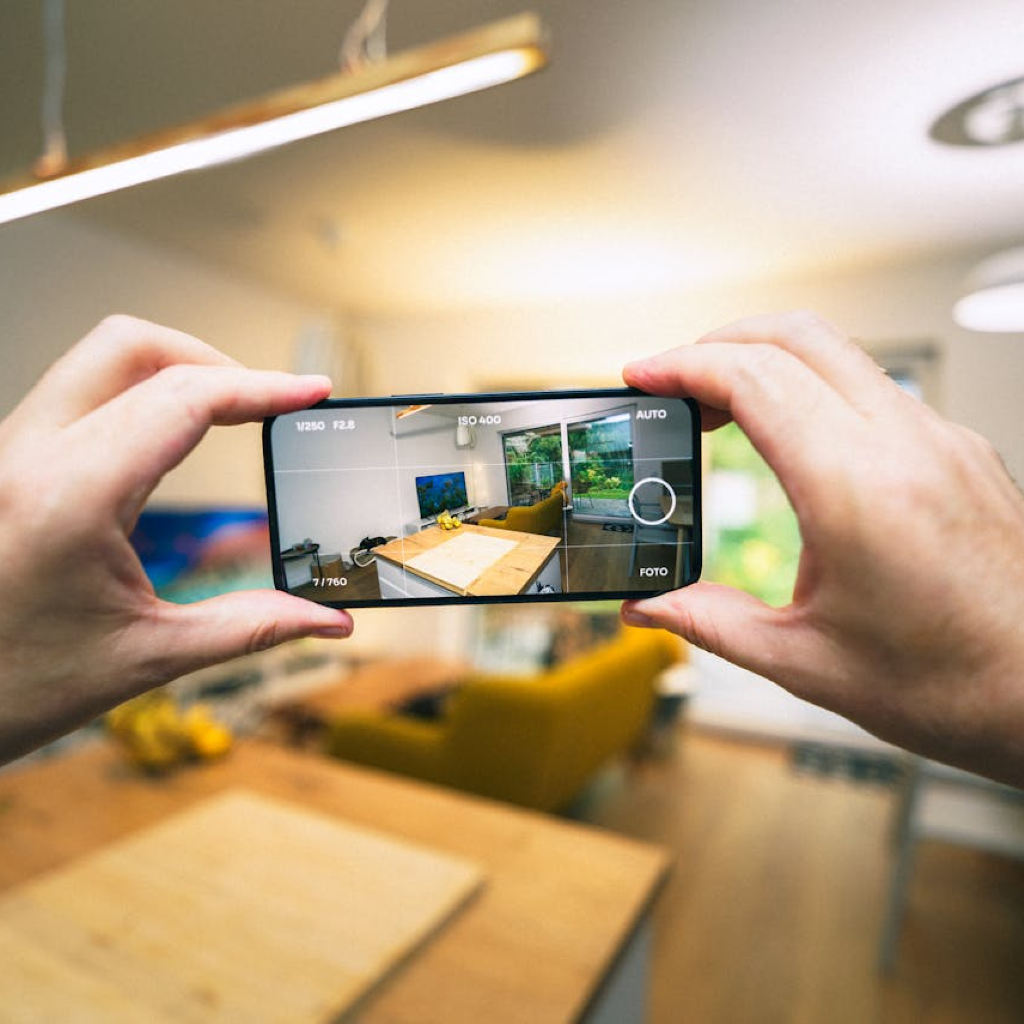
3D tours rely on a blend of panoramic photography and mapping technology. Cameras equipped with multiple lenses or laser scanners capture images and data from all directions in a room. Software then stitches these images together to create a seamless, navigable model of the space. This process builds a detailed, true-to-scale digital version of your home.
Equipment used for 3D tours
Professionals use specialized cameras, such as 3D or 360-degree models, to scan each area of your home. Tripods, stabilizers, and other accessories help capture clear and stable images. Most 3D tours also require strong lighting and careful camera placement to ensure an accurate and inviting result.
Process of creating a 3D tour
To create a 3D tour, a technician will schedule a time to visit your home and set up the necessary equipment. Each room is captured in a series of overlapping scans and images. The collected data is then processed with dedicated software to build the virtual model. Once complete, the tour can be embedded into online home listings or shared through a link.
Why Are Sellers Using 3D Tours?
Changing buyer preferences
Buyers today place a high value on online resources. They expect more than just pictures and basic details—they want an accurate feel for the space before visiting in person. In 2026, many buyers start their home search digitally and may even make decisions remotely.
Remote home viewing trends
With more buyers relocating, traveling for work, or simply preferring the convenience of virtual viewings, 3D tours have become a crucial tool. They allow out-of-town or busy buyers to view your property without scheduling a physical visit, expanding your potential audience beyond local prospects.
8 Benefits of 3D Tours for Sellers
Increased online engagement
3D tours often keep buyers on your listing longer than static photos or text alone. The interactive format encourages visitors to fully explore the home, leading to higher engagement rates and more interest.
Attracting qualified buyers
By allowing buyers to experience the space virtually, 3D tours help attract those who are genuinely interested. This can mean fewer lookers and more serious inquiries—saving you time and effort during the selling process.
Offering 24/7 open house access
Unlike scheduled open houses, 3D tours are always available. Buyers can explore your home day or night, no appointment needed. This round-the-clock access accommodates different schedules and time zones.
Minimizing unnecessary showings
Because buyers can see all the property details online, only truly interested parties are likely to request a physical tour. This can reduce the number of showings you need to prepare for and help maintain your privacy.
Helping homes stand out online
3D tours can set your listing apart in a crowded online market. Their eye-catching and immersive nature means your home looks more inviting and modern, appealing to tech-savvy buyers.
Supporting virtual negotiations
A detailed 3D tour can be referenced during remote discussions and negotiations. Buyers and their advisors can revisit the tour as often as needed, promoting transparent and informed conversations.
Improved listing transparency
With a 3D tour, buyers can see your home exactly as it is—minimizing surprises and reducing the chance of misunderstandings. This openness builds trust and helps potential buyers feel confident moving forward.
Convenience for sellers
3D tours mean fewer disruptions and less need to prepare your home over and over for traditional showings. This not only reduces stress but also makes the selling process more manageable.
Are 3D Tours Really Worth It?
Considerations for different homes
While 3D tours are valuable for most homes, the impact may vary. For unique, architecturally interesting, or larger properties, they highlight features that photos can miss. Smaller homes may also benefit by giving buyers a true sense of layout and space.
Potential limitations of 3D tours
There are situations where a 3D tour may not capture everything—such as outdoor areas or close-up finishes. Some buyers still prefer seeing a home in person before making decisions. However, as a supplement to traditional marketing, 3D tours generally provide sellers with more reach and convenience.
How Can You Prepare for a 3D Tour?
Home preparation tips
Start by thoroughly cleaning and decluttering every space you plan to include. Open blinds or curtains for natural light and remove any personal or valuable items to protect your privacy. Neutral, tidy spaces help buyers focus on your home’s potential.
Common mistakes to avoid
Avoid leaving pets, personal photographs, or clutter in view. Overlooked details—such as smudged windows or full trash cans—can appear more pronounced in a virtual tour. Double-check all angles and spaces before the scan begins.
Checklist before your 3D tour
- Clean and declutter all rooms
- Remove personal items, including photos and mail
- Check lighting and replace any burnt-out bulbs
- Secure valuables and sensitive documents
- Ensure outdoor access if needed for the tour
What Questions Do Homeowners Ask?
Privacy and access concerns
Many sellers wonder about who can see their 3D tour and how their home’s privacy is protected. The tour can usually be restricted to certain platforms or shared selectively. Rooms not meant for public view can be excluded during the scanning process.
Typical 3D tour FAQs
Homeowners often ask about the duration of a scan (usually a few hours), how quickly the tour is available online, and who controls access to the digital model. Professionals provide clear instructions and support through each step for your peace of mind.
3D Tours vs. Traditional Home Showings
Key similarities and differences
Both 3D tours and traditional showings help buyers explore a property, but the experiences are quite different. 3D tours offer convenience, flexibility, and remote access, while in-person visits provide the sensory experience that some buyers still value. Many successful sales now combine both approaches.
Which is right for your sale?
Deciding between 3D tours and traditional showings depends on your home’s features, your comfort level, and buyer expectations in your market. While a 3D tour boosts online presence and accessibility, it can be most effective when paired with an option for in-person viewing—helping you reach the right buyers while minimizing hassle.