Key Takeaways
-
Even in 2025, open houses remain a powerful way to attract motivated buyers who want to feel a home before making decisions.
-
Open houses complement online listings by providing sensory and emotional experiences that photos and videos alone cannot deliver.
Why Buyers Still Value Open Houses
Even though online listings dominate the home search process, buyers continue to seek out open houses. Online platforms give them instant access to photos, videos, floor plans, and neighborhood details. Yet, they still show up in person because walking through a property creates a connection that technology cannot replicate.
You need to understand that buyers make many of their decisions based on how they feel when they step inside a home. The layout, natural light, space flow, and even the smell of the property influence their judgment. This emotional component is something online listings cannot replace.
Creating Tangible First Impressions
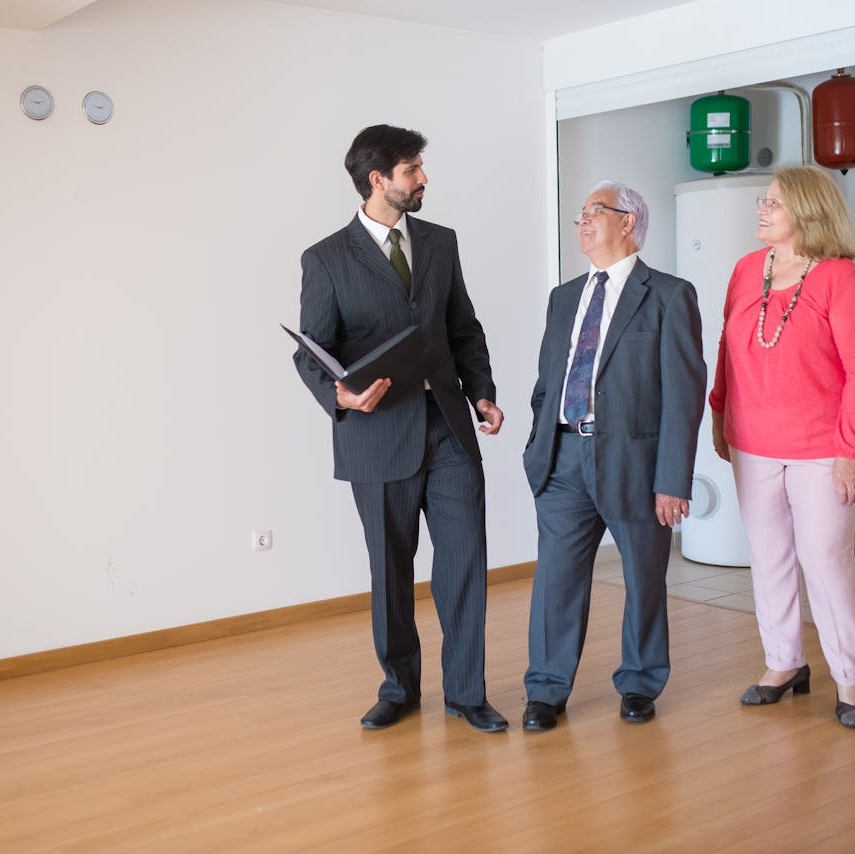
Online photos set expectations, but open houses confirm or challenge them. A well-prepared open house allows buyers to:
-
Experience room sizes in real proportions.
-
Assess the quality of finishes, fixtures, and craftsmanship.
-
Notice details that do not always appear in photos, such as natural lighting at different times of the day.
-
Envision how their furniture and belongings might fit within the space.
These tangible impressions play a crucial role in whether buyers decide to move forward.
How Open Houses Work With Online Listings
Instead of replacing open houses, online listings actually strengthen their importance. By the time buyers attend an open house, they are already informed and often pre-qualified. This means that most visitors are serious, not just browsing casually.
An open house serves as the bridge between interest and commitment. It helps buyers verify that what they saw online aligns with reality. If it does, the path toward an offer becomes smoother.
Building Buyer Confidence
Open houses offer transparency. When buyers see other interested parties touring the property, it creates a sense of competition and urgency. This environment can increase confidence in the value of the home.
Additionally, buyers appreciate the opportunity to ask questions in real time. Whether about renovations, appliances, or neighborhood conditions, face-to-face interactions carry more weight than digital exchanges.
The Role of Atmosphere and Staging
A thoughtfully staged open house is more than decoration. It creates an atmosphere that triggers imagination and connection. Buyers are more likely to picture themselves living there when the home feels inviting and well cared for.
Key elements include:
-
Proper lighting to highlight natural brightness.
-
Fresh, clean air circulation to avoid unpleasant odors.
-
Furniture arrangements that showcase the flow of rooms.
-
Neutral designs that appeal to a wide audience.
These subtle touches influence emotional responses that can push buyers toward making offers.
The Timing Advantage of Open Houses
The timing of open houses matters. Hosting them within the first week of listing the home generates momentum. A Saturday or Sunday afternoon between 1:00 PM and 4:00 PM is still the most common timeframe. This schedule aligns with buyers’ routines and increases attendance.
Strategic timing can also shorten the duration of your listing. The first two weeks are critical, as that is when most serious buyers make their decisions. An open house during this period can accelerate interest.
Reaching Buyers Who Rely on Emotion
While some buyers are analytical and rely heavily on data, others make choices based on emotion. Open houses appeal strongly to this group. Smelling fresh paint, feeling the warmth of hardwood floors, or hearing the quietness of a neighborhood has an impact that data sheets and statistics cannot match.
This emotional resonance can become the tipping point that transforms curiosity into commitment.
Why Open Houses Increase Exposure
Not every potential buyer actively schedules private showings right away. Open houses offer a low-pressure way for them to explore a home without formal commitments. This wider exposure can uncover buyers you would not have reached otherwise.
Additionally, neighbors often stop by. While this might seem less useful, they may know family or friends looking to buy in the area. Word-of-mouth exposure adds another layer of visibility.
Reducing Buyer Hesitation
Even confident buyers experience hesitation. An open house provides reassurance. When they see multiple interested visitors and receive direct answers to their concerns, their hesitation diminishes. The sense that others are also considering the property can make them feel more secure about moving forward.
The Subtle Psychology of Open Houses
Open houses carry subtle psychological effects. For instance:
-
Buyers unconsciously compare how they feel in your home with other properties they toured.
-
A crowded open house may increase perceived desirability.
-
A welcoming host or agent makes visitors feel respected, which can strengthen positive impressions.
These psychological dynamics play out quietly but powerfully in buyers’ decision-making processes.
Integrating Open Houses Into Your Selling Strategy
When planning to sell, think of open houses as one component of a larger strategy. Online listings, social media promotion, and private showings all work together. However, excluding open houses removes a critical layer of buyer engagement.
Make sure you prepare by:
-
Scheduling open houses within the first two weeks of listing.
-
Advertising them across multiple platforms.
-
Preparing your home with cleanliness, repairs, and neutral staging.
-
Coordinating with your licensed agent to maximize attendance.
This integrated approach increases the likelihood of receiving strong offers.
Practical Considerations for Sellers
When hosting an open house, consider the following practical aspects:
-
Duration: Two to three hours is the standard window. Longer sessions rarely increase results.
-
Frequency: Hosting one every weekend during the first month can maximize exposure.
-
Safety: Secure valuables and personal documents before opening your home to the public.
-
Preparation: Ensure the home is spotless, clutter-free, and well-lit.
These practical steps support the effectiveness of your open house.
A Lasting Role in Home Selling
Despite the rise of digital tools, open houses continue to serve as an essential step in selling a home in 2025. They connect online interest with physical experience, reduce hesitation, and create emotional momentum.
If you are serious about selling your home, use open houses alongside online listings to maximize your chances of success. To discuss the best way to prepare your property, reach out to a licensed agent listed on this website for personalized advice.