Key Takeaways
- Both expert agent-led and DIY home staging involve similar foundational steps, but vary in expertise and resource access.
- Your decision should weigh factors like budget, confidence, available time, and the specific needs of your home sale.
Did you know that staged homes often attract more attention from buyers—even when staged with simple DIY approaches? Let’s explore your options and what to expect. This guide breaks down the roles of expert agents and DIY strategies, highlights essential steps, and compares how each path might influence your selling experience.
What Is Home Staging?
Definition and purpose
Home staging is the process of preparing your home for sale by making it as appealing as possible to potential buyers. This goes beyond just cleaning or decorating—it’s about creating an inviting, move-in ready atmosphere that helps buyers picture themselves living in your space. Staging usually involves arranging furniture, decluttering, and making minor updates to enhance a home’s overall appeal.
Staging’s role in selling
Staging can help your property stand out in photos and during showings. A well-staged home can encourage buyers to linger longer and form a stronger emotional connection. While it does not guarantee a higher sale price or a quicker sale, staging is recognized as a best practice to improve how your home is perceived in the competitive market.
How Do Expert Agents Stage Homes?
Typical agent-led staging process
When you work with an expert real estate agent, the staging process typically begins with a thorough walkthrough of your home. The agent will evaluate each room, identify strengths and potential distractions, and often provide detailed written recommendations. Many agents offer access to professional stagers or may coordinate with furniture rental companies. The agent might also help you prioritize repairs, arrange decorative accessories, and develop a timeline so your home shows well for both in-person and online viewing.
Benefits of professional guidance
An agent or professional stager brings objectivity and an understanding of buyer preferences, especially what’s trending locally. They see your home from a buyer’s perspective, which can be hard for you to do as the owner. Their experience can result in a more polished presentation, and their network may give you access to reputable service providers or rental options that might otherwise be hard to find. While professional guidance often means more upfront costs, it may save you time and help avoid staging missteps.
What Does DIY Home Staging Involve?
Common DIY steps
DIY staging typically starts with the basics: deep cleaning, decluttering, and neutralizing personal touches. You’ll determine which furnishings best highlight your home’s layout, potentially rearrange rooms for better flow, and use available décor to freshen things up. Many homeowners research popular home staging trends online or take inspiration from real estate photos in their area. You might tackle small repairs, shop for inexpensive accessories, and use creative solutions—like swapping items between rooms—to maximize appeal.
Tools and resources needed
Tackling staging yourself requires a few essentials: cleaning supplies, storage bins, basic hand tools, touch-up paint, and possibly rental furniture or décor items. Resources like online tutorials, checklists, and before-and-after photos can guide you step-by-step. Some homeowners borrow items from friends or family to fill in gaps, while others purchase affordable accents to liven up common spaces. Your success with DIY staging will depend on your effort, eye for design, and willingness to adjust your home for buyer appeal.
Home Staging: What Are the Common Steps?
Decluttering and depersonalizing
No matter who oversees your staging, the first step is clearing out clutter and removing overly personal items like family photos, souvenirs, and bold artwork. This makes your home look more spacious and helps buyers imagine themselves in the space.
Minor repairs and touch-ups
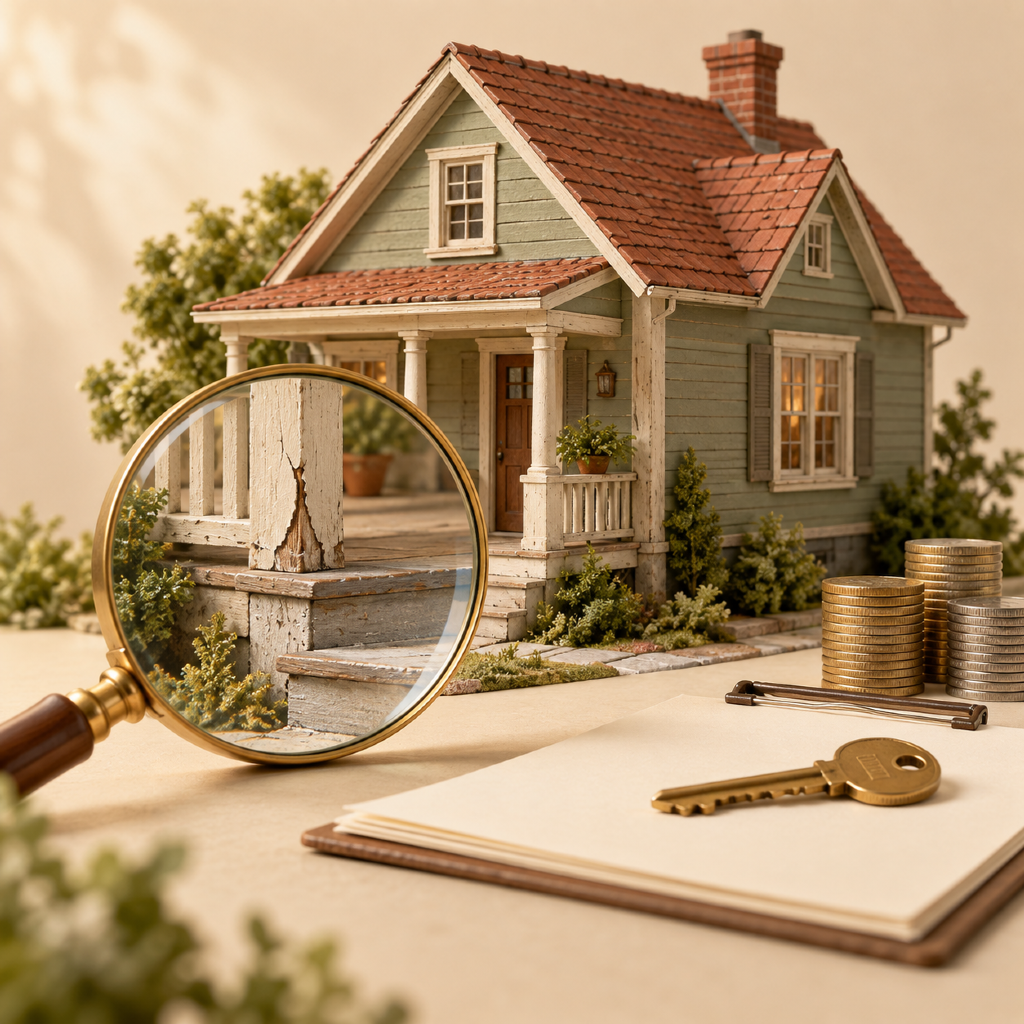
Both agents and DIY sellers prioritize fixing small issues such as scuffed walls, leaky faucets, loose handles, or broken light fixtures. Fresh paint in neutral colors and updated hardware can have a subtle but powerful effect on the overall impression of your home.
Furniture arrangement basics
Arranging furniture to create an open, inviting flow is a core staging step. You want to highlight each room’s purpose without overcrowding or leaving spaces empty. Both agents and homeowners often “float” furniture away from walls, use mirrors to brighten rooms, and add simple accessorizing—like fresh flowers or tasteful throws—to energize the space.
How Do Outcomes Compare?
Typical results from agent-assisted staging
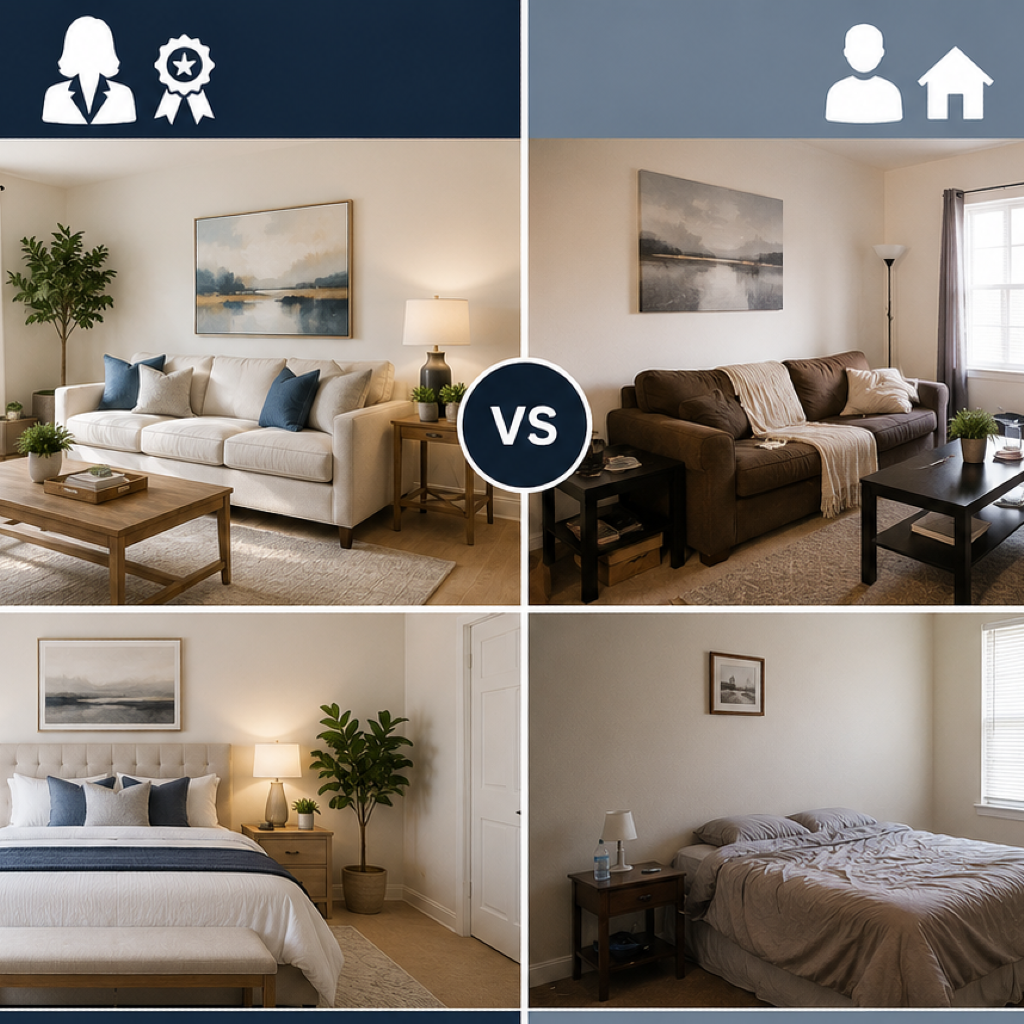
Homes staged with professional guidance may show a higher level of finish, consistency, and polish. Photos tend to look more appealing, and open houses may attract greater interest from buyers who value move-in ready condition. Agent-led staging can reduce decision stress since you’re following expert recommendations and leveraging proven staging strategies. However, while results often look impressive, every home and market is different, so there are no guarantees about how staging will affect your sale.
Typical results from DIY efforts
DIY staging can yield strong visual improvements, especially if you’re organized and willing to put in the effort. You control the process and pace, and costs can be minimized by using what you have. DIY may be best suited to homes already in good condition, where just a bit of polish is needed to stand out. Keep in mind, though, that without a trained eye or current market knowledge, it’s possible to overlook areas that might benefit from extra attention.
Which Staging Approach Is Right for You?
Considerations: budget, time, confidence
If you have a flexible budget and prefer to minimize hassle, working with an expert may offer peace of mind. If your finances are tighter, you’re confident in your design sense, and you have the time to manage details, DIY staging is a practical option. Assess whether professional input could reveal aspects you might miss on your own, or if you’re comfortable using available resources to do a solid job yourself.
Questions to ask yourself
- How much time and energy am I able to dedicate to staging?
- Do I feel comfortable evaluating my home as a buyer might?
- Is my home in good condition, or does it need more significant updates?
- Would I benefit from an outside perspective, or can I research and implement updates myself?
Reflecting on these questions will help you determine if you’d be most successful with expert support or by taking a hands-on approach.