
Key Takeaways
- Thorough research and careful evaluation of client reviews are essential when choosing a real estate agent.
- Interviewing multiple agents and using practical checklists can help you make a confident, informed decision.
Looking for a trustworthy real estate agent nearby? With countless options and glowing online testimonials, it can feel overwhelming to know where to start. This guide offers clear, practical advice for evaluating agents so you can move forward with confidence as you plan your home sale.
What Does a Real Estate Agent Do?
Agent roles in home sales
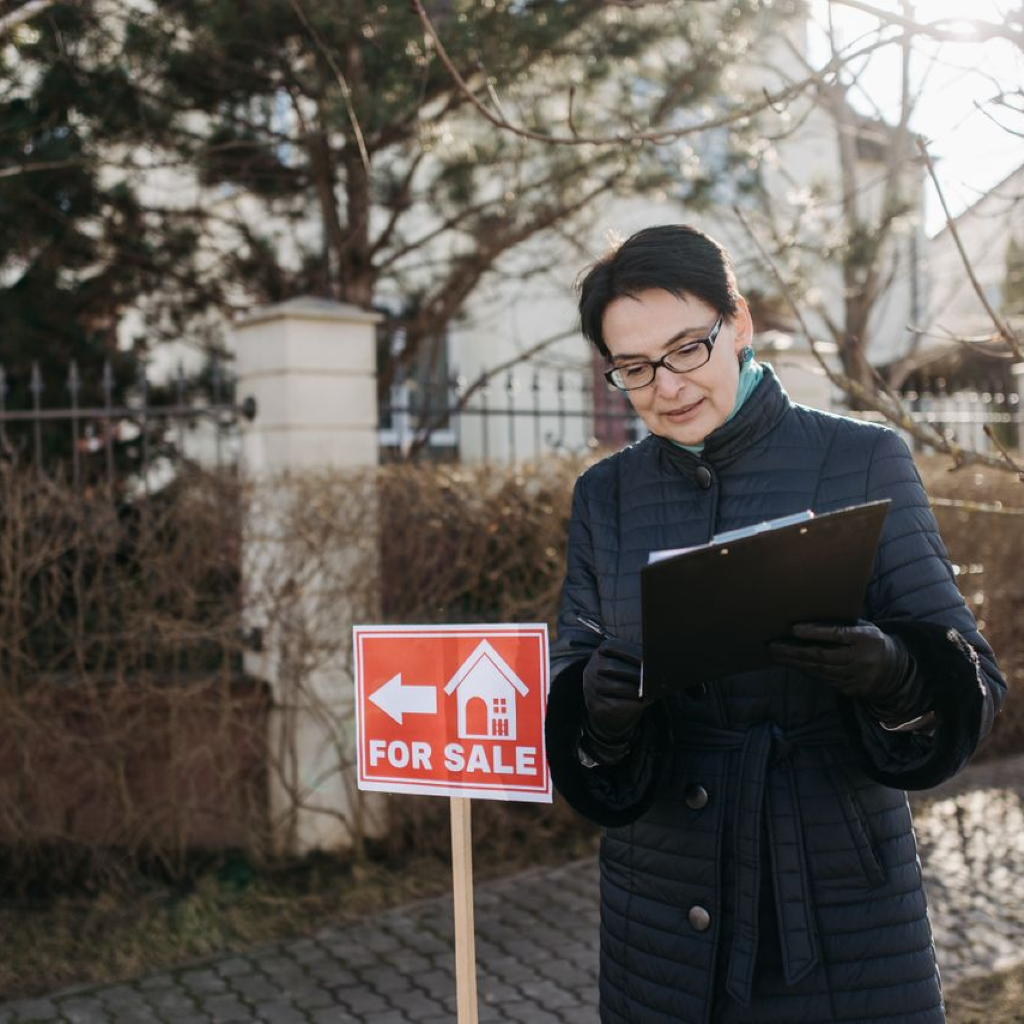
A real estate agent is a licensed professional who represents you through major steps of the home selling process. Their main responsibilities include listing your property, setting a price, negotiating offers, arranging showings, and managing paperwork. Agents act as a bridge between you and potential buyers, making the transaction smoother and less stressful.
Typical agent qualifications
Most agents must pass state licensing exams and complete ongoing education to maintain their credentials. Qualifications typically include knowledge of local property laws, transaction management, and best practices in real estate marketing. Many agents also hold memberships with professional associations, showing commitment to ethical standards and staying informed about industry changes.
How agents assist sellers
As a seller, you’ll benefit from an agent’s market analysis, pricing strategy, and negotiation skills. Agents coordinate showings, offer advice on staging your home, and help you evaluate offers. Their expertise reduces the risks of costly mistakes and ensures you understand all aspects of the selling process.
How Can I Start Searching Nearby?
Online resources for agent searches
Popular real estate websites let you search for agents by location, specialty, and client feedback. Many of these platforms offer review sections where you can browse firsthand experiences from past clients. Community forums and neighborhood social media groups are also valuable sources of feedback.
Local events and referrals
Local open houses, home improvement workshops, and community fairs often attract active agents. Attending these events allows you to meet agents face-to-face and ask questions in a low-pressure setting. Don’t overlook recommendations from neighbors, friends, or colleagues with recent selling experience; firsthand referrals can lead you to highly regarded local professionals.
What to watch for in search results
When reviewing your search results, look for agents with a steady record of recent sales in your neighborhood. Pay attention to feedback patterns, licensing information, and professional websites. Avoid agents who lack contact details or present only generic testimonials.
What Should I Look for in Client Reviews?
Spotting trustworthy feedback
Trustworthy reviews usually offer specific details and balanced feedback about the agent’s communication, professionalism, and market expertise. Look for reviews that mention both strengths and areas for improvement. Genuine testimonials often refer to specific situations or challenges the agent helped solve.
Key review red flags
Watch out for reviews that sound vague, overly positive without detail, or are posted in suspicious clusters. Negative signs include repeated complaints about poor responsiveness or missed deadlines. Also be cautious if you notice identical language across multiple reviews, which can suggest the feedback isn’t authentic.
How recent reviews matter
Prioritize client feedback from recent transactions, ideally within the last year. Recent reviews reflect the agent’s current approach and market conditions, giving you the clearest picture of what to expect. Outdated testimonials may not be relevant if an agent’s style, team, or performance has changed.
How Do I Check an Agent’s Reputation?
Researching licensing and background
You can verify an agent’s license status and disciplinary history through your state’s real estate regulatory authority. Many states provide searchable online databases. Confirming an active, clean license is a fundamental first step to ensure you’re dealing with a qualified professional.
Professional memberships overview
Agents who are members of professional associations—such as state and national real estate organizations—demonstrate a commitment to ethical business practices and continuous professional development. These memberships often signal ongoing training and adherence to a code of conduct.
Understanding complaint databases
State agencies often provide access to complaint histories or disciplinary actions involving real estate agents. Reviewing these databases helps you spot patterns and learn how agents address any issues. Use this information as one part of a comprehensive evaluation.
Can Reviews Really Predict My Experience?
Limitations of online reviews
While reviews can help you see trends in an agent’s performance, they aren’t foolproof. Some experiences—good or bad—are unique to specific situations and may not repeat. Additionally, fake or filtered reviews can distort the true picture.
What reviews can’t tell you
Online feedback rarely covers the agent’s behind-the-scenes work, problem-solving abilities, or negotiation strategies. Reviews may not reveal how well the agent adapts to changing markets or handles unexpected challenges during the transaction.
Balancing reviews and interviews
Reading reviews is just the start. It’s wise to combine what you learn online with in-person or virtual interviews. This helps you evaluate communication style, local knowledge, and whether the agent’s approach matches your needs.
What Questions Should I Ask Potential Agents?
Experience with similar homes
Ask each agent about their experience selling homes comparable to yours in size, style, and price range. Inquire about recent transactions in your area and any challenges they’ve faced—and overcome—in similar situations.
Approach to client communication
Clear communication is essential for a smooth transaction. Discuss how the agent prefers to stay in touch (email, calls, texts) and their typical response times. Make sure their communication style aligns with your expectations.
Methods for marketing and showing
Find out how the agent plans to market and show your home to buyers. Request specific examples of marketing materials and learn about their network for attracting interest. This transparency helps you gauge the agent’s level of organization and creativity.
How Do I Make a Confident Decision?
Comparing multiple agent options
Interview at least two or three agents before making a choice. Comparing different approaches, personalities, and track records gives you a clearer sense of what’s possible and prevents hasty decisions.
Using checklists to evaluate
Create a simple checklist to rate agents on criteria like professionalism, communication, knowledge of your neighborhood, and recent client feedback. A structured approach prevents key details from being overlooked.
Taking time to decide
Don’t feel pressured to decide on the spot. Review your notes, sleep on your options, and consult with trusted family or friends. Confidence grows when you feel thoroughly informed and comfortable moving forward.