Key Takeaways
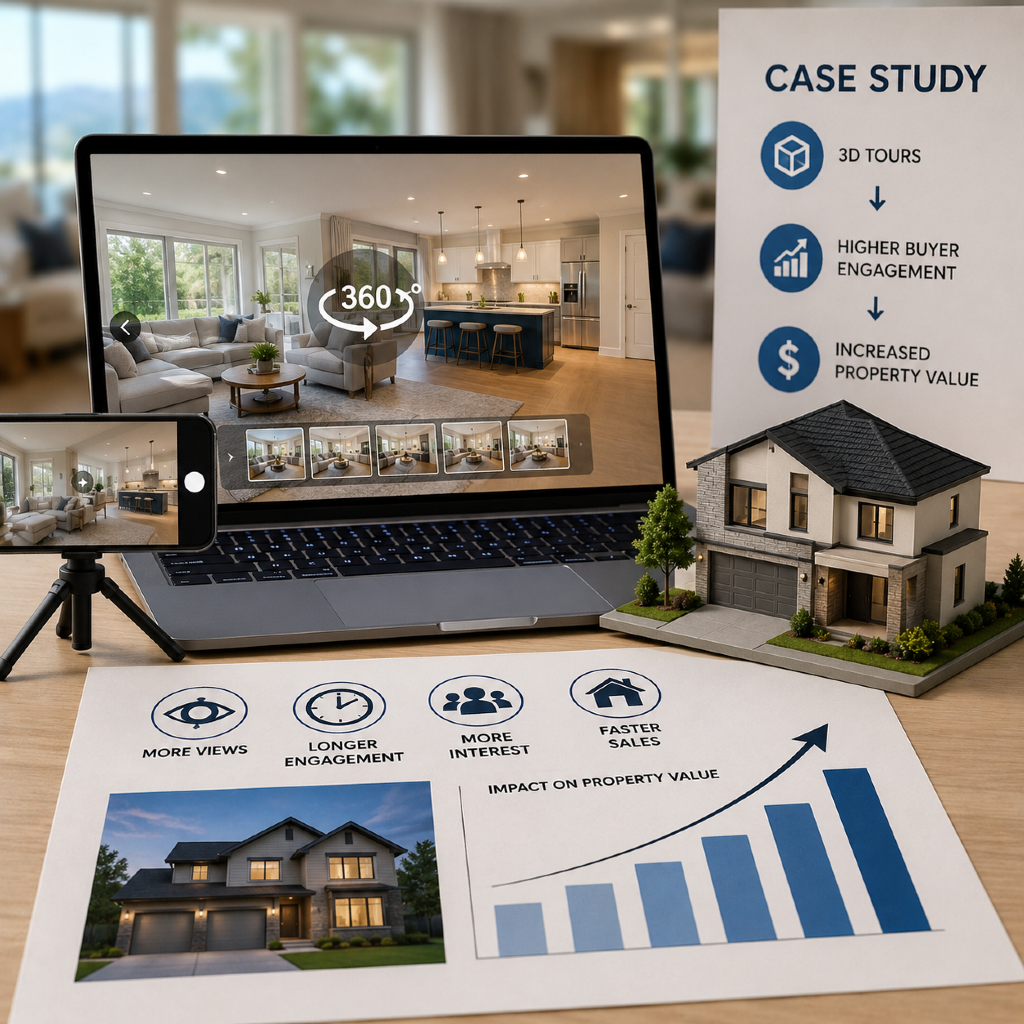
- 3D home tours improve property exposure and buyer engagement, especially among remote buyers.
- While 3D tours may support a higher perceived value, multiple factors influence actual sale outcomes.
Did you know that listings with 3D tours attract much more online views? This technology is transforming how homes are marketed, providing potential buyers with a fresh way to experience properties without stepping through the front door. Here’s what homeowners and sellers need to know about the impact of 3D tours on selling and home value.
What Are 3D Home Tours?
Definition and technology used
3D home tours are immersive, interactive walkthroughs created using specialized cameras and software. These tools scan and map a property’s layout to produce a digital replica that users can explore online. You can “walk” through halls, look into each room, and view spaces from any angle—all with simple clicks or swipes. Popular technologies include photogrammetry and LiDAR scanning, which capture both visuals and spatial data for realistic rendering.
Difference from photo and video walkthroughs
Unlike traditional photo galleries or videos, 3D tours let viewers control their route and pace. With a video, you see only what the camera operator chooses to show in a fixed sequence. Standard photos present static, limited perspectives. In contrast, 3D tours let you interact with the space as if you were physically there, creating a more realistic and personal feel.
How Do 3D Tours Influence Buyer Perception?
Improved accessibility for remote buyers
One major benefit of 3D tours is accessibility, especially if you’re attracting buyers from out-of-town or abroad. Without the need to travel, buyers can get a genuine feel for your property and decide if it’s worth a closer look. This opens your listing to a wider pool, including those who may not have otherwise considered your location.
Enhanced viewing experience
3D tours help buyers spend more time looking at your home. They can revisit rooms, measure spaces, and view details at their own speed. This degree of control can foster a stronger emotional connection and help answer common layout or size questions before a live showing. As a result, buyers often arrive at in-person tours more prepared and interested.
Can 3D Tours Affect Home Value?
Market trends and studies
Recent studies suggest a correlation between enhanced digital marketing—like 3D tours—and positive listing outcomes. According to national listing platforms, homes with 3D tours typically see increased viewing activity and, in some markets, slightly shorter days on market. Some research shows a trend toward higher asking prices for listings featuring immersive digital content, although results can vary by region and property type.
Factors impacting potential value changes
While greater exposure can encourage competitive interest, it’s important to understand that a 3D tour doesn’t guarantee a higher sale price. Several factors contribute to value, including local market conditions, home condition, staging quality, and pricing strategy. The main advantage of a 3D tour is increasing the likelihood that more serious and motivated buyers will find and consider your property.
Case Studies: What Do Recent Sales Show?
Sample markets and listing outcomes
A review of major metro areas from 2023 to 2025 reveals interesting patterns. For example, in markets with strong relocation activity—such as Dallas, Atlanta, and Miami—listings with 3D tours attracted more online interest and a higher number of scheduled showings. In mid-tier suburbs, sellers often reported quicker offers after implementing a 3D tour compared to similar homes without one. However, in slower markets, the difference in final sale price versus comparable properties was less pronounced, suggesting that 3D tours are most impactful in competitive environments.
Limitations of available data
It’s important to note that the relationship between 3D tours and home value isn’t clear-cut. Not every home with a 3D tour sells faster or for more, and multiple factors shape outcomes. Plus, shifts in technology adoption and market norms mean past performance may not fully predict future results. Available research is usually based on aggregated listing data and may not reflect the unique aspects of every property or region.
Are 3D Tours Right for Every Home?
Property types best suited
Homes with distinctive layouts, premium features, or appealing finishes often benefit the most from 3D tours. Open-concept properties or those with expansive square footage provide viewers with a more impressive virtual visit. Newly renovated or well-maintained properties also tend to show especially well in this format, highlighting upgrades and thoughtful design choices.
Considerations for older or unique homes
If your property is older, has special character, or contains small or awkward spaces, a 3D tour still offers value, but preparation is key. Thorough cleaning, decluttering, and professional staging can help present each room effectively. Some unique homes require curated tour routes or callouts for hidden features so viewers don’t overlook details that make your property stand out.
What Are the Costs and Considerations?
Typical production costs
Professional 3D tour services typically charge between $200 and $600 per property, based on size and complexity. This is a one-time production expense and may also include hosting or editing fees. Some platforms provide self-serve options at a lower cost, though results vary depending on equipment and technical ability.
Time, preparation, and privacy considerations
Producing a 3D tour generally takes one to two hours on-site, plus editing time afterward. Preparing for filming means ensuring the home is tidy, well-lit, and free of personal items for privacy. Since 3D scans can capture a lot of detail, be conscious about what you leave visible. Also, ask providers about policies for removing or editing sensitive images before the tour is published.