Key Takeaways
- Home staging can enhance buyer impressions, but isn’t a guarantee for higher offers or a quick sale.
- There are multiple staging options, including virtual and minimal, that may suit different types of homes and budgets.
Thinking of selling your home? You may wonder if staging—furnishing and styling a property for show—truly helps. In this article, you’ll get clear, unbiased answers to common questions and misconceptions about home staging, so you can decide what’s right for your situation.
What Does Staging Mean in Real Estate?
Definition of home staging
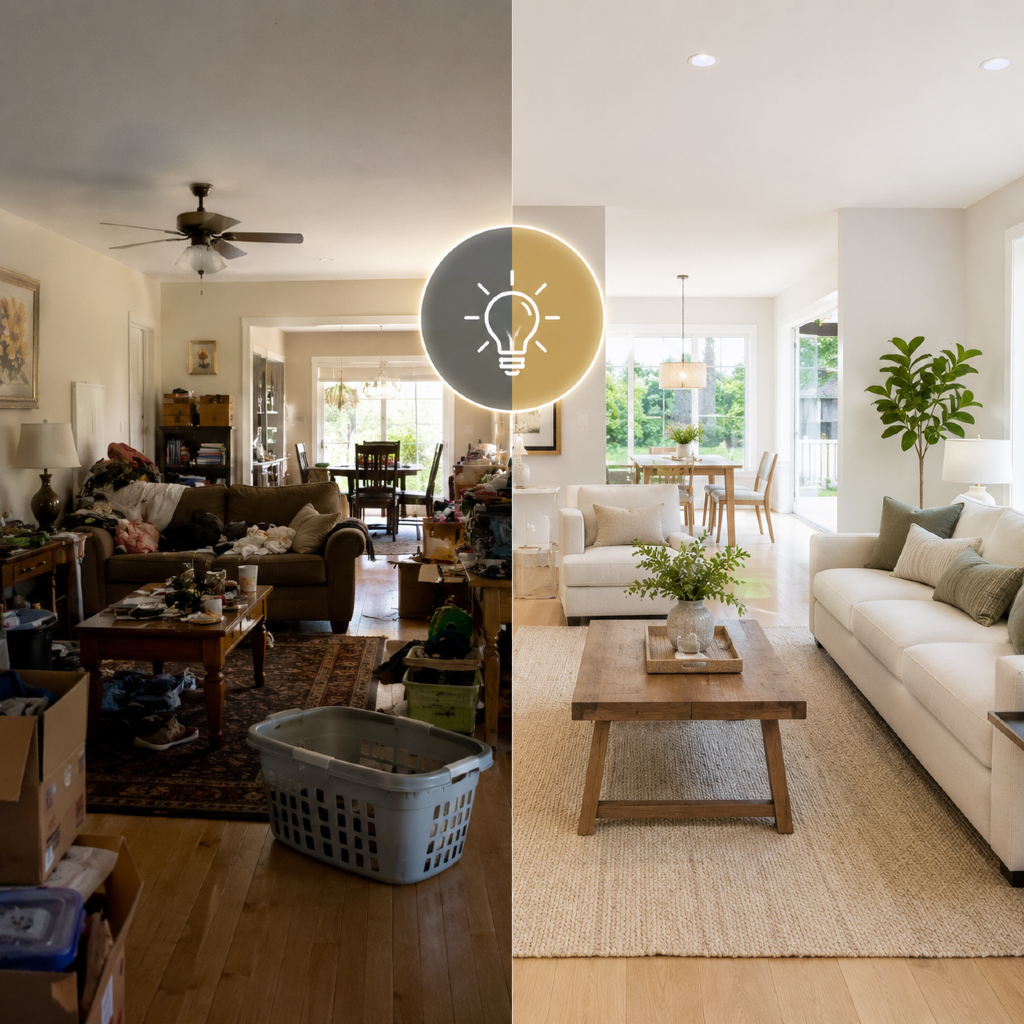
In real estate, staging means preparing your home to appeal to as many potential buyers as possible. This can involve arranging furniture, adding decorative touches, or even painting walls in neutral colors. The core idea is to present a welcoming, clean space where buyers can imagine themselves living. Home staging can range from simple decluttering to a full redesign by a professional stager.
Common staging approaches explained
There isn’t one single way to stage a home. Some sellers focus on deep cleaning, rearranging existing furniture, or minimizing personal items—a process sometimes called “light staging.” Others invest in rental furniture, art, and accessories to give empty or outdated rooms a fresh, updated look. The approach depends on your budget, timeline, and the current state of your home.
Do Most Buyers Care About Staged Homes?
Why buyers may notice or ignore staging
Buyers respond to homes in different ways. Staging can help them see a property’s best features and sense its potential. For many, walking into a clean, styled space feels more inviting than touring a cluttered or vacant house. That said, some buyers look past furnishings and focus on layout, natural light, or condition. Not everyone will be swayed by staging, but many people find it easier to picture themselves in a well-presented home.
Studies on buyer perception
Recent research—such as the National Association of Realtors’ (NAR) profiles from recent years—shows most real estate agents believe staging influences buyers’ impressions. Buyers’ agents frequently say a staged home is easier to visualize as their future residence. However, studies also indicate that while staging often helps homes photograph better and stand out online, it doesn’t always result in higher sale prices.
Is Home Staging Always Worth It?
Situations when staging may help
Staging is often most beneficial if your home is vacant, has unusual layouts, or sits in a market with heavy competition. If online listing photos are your buyers’ first impression, thoughtful staging could capture attention and increase showing requests. Dated or overly personalized décor can make it harder for buyers to connect emotionally; staging might soften those issues by making spaces look brighter or more versatile.
Potential drawbacks or limitations
Staging is not without its challenges. Costs vary widely, and results aren’t guaranteed. Some homes sell quickly without any staging, especially in strong markets. If your property is already well-maintained and attractively furnished, additional staging might offer limited advantage. Also, staging won’t address structural concerns or location-related drawbacks—buyers will notice those, staged or not.
What Are Common Misconceptions About Staging?
Staging guarantees a higher sale price?
A frequent myth is that staging will always result in a higher sale price. In truth, staging can help make a strong first impression, but market fundamentals—like location, price, and condition—remain the biggest drivers. Staging is a tool, not a guarantee.
Staging is only for luxury homes?
Some assume only high-end properties need to be staged. However, staging practices are used across many price points. Even starter homes or condos can benefit by looking clean, open, and well-presented. The key is matching the level of staging to the home’s needs and likely buyers.
DIY staging vs professional help
Many sellers wonder if they must hire a professional. While experts can provide a fresh perspective, effective staging often starts with decluttering, deep cleaning, and minor adjustments you can do yourself. In some cases, investing in a consultation for guidance is more practical than a full home makeover.
How Does Staging Affect Home Sale Outcomes?
Research findings on staging and sales
Research generally shows staged homes may spend fewer days on the market and get more views online. The visual appeal created by staging often helps generate initial buyer interest. However, large-scale studies—including those comparing similar homes—find that while staging can help a home sell faster, its influence on sale price is less predictable. Factors like local demand or market timing often play a larger role in your final sale result.
Factors beyond staging influencing results
While staging highlights a home’s strengths, it can’t change aspects such as neighborhood, school districts, or nearby amenities. Overpricing, deferred maintenance, or poor marketing may still deter buyers, regardless of how beautifully staged a space looks. Market conditions and pricing strategy could ultimately have more impact on your outcome than staging alone.
Are There Alternatives to Traditional Staging?
Virtual staging options
As technology evolves, virtual staging has become a practical choice for some sellers and agents. With this approach, digital images of furniture and décor are added to listing photos, showing buyers what the space could look like at a fraction of the cost of physical staging. Virtual staging is especially common for vacant homes, helping them stand out online—just remember to clearly disclose when listing images have been virtually altered.
Partial or minimal staging strategies
If full professional staging isn’t possible, partial approaches can still make a difference. Focus on high-impact areas: declutter and arrange the living room, kitchen, and entryway. Simple updates—like fresh linens, new lighting, or neutral accessories—can go a long way without breaking the bank. Sometimes, less is more; allowing buyers to imagine their own furniture in the space can work just as well as a fully staged home.