Key Takeaways
- Virtual tours and open houses offer unique advantages and trade-offs for home sellers in 2026.
- Assessing your priorities and local trends can help you choose (or combine) these approaches confidently.
Most homebuyers in 2026 view online tours before attending an open house—understanding both options can help you reach more potential buyers confidently. If you’re exploring home selling methods, knowing how virtual tours and open houses work will empower you to make practical, informed decisions for your goals.
What Is a Virtual Tour?
Definition and formats
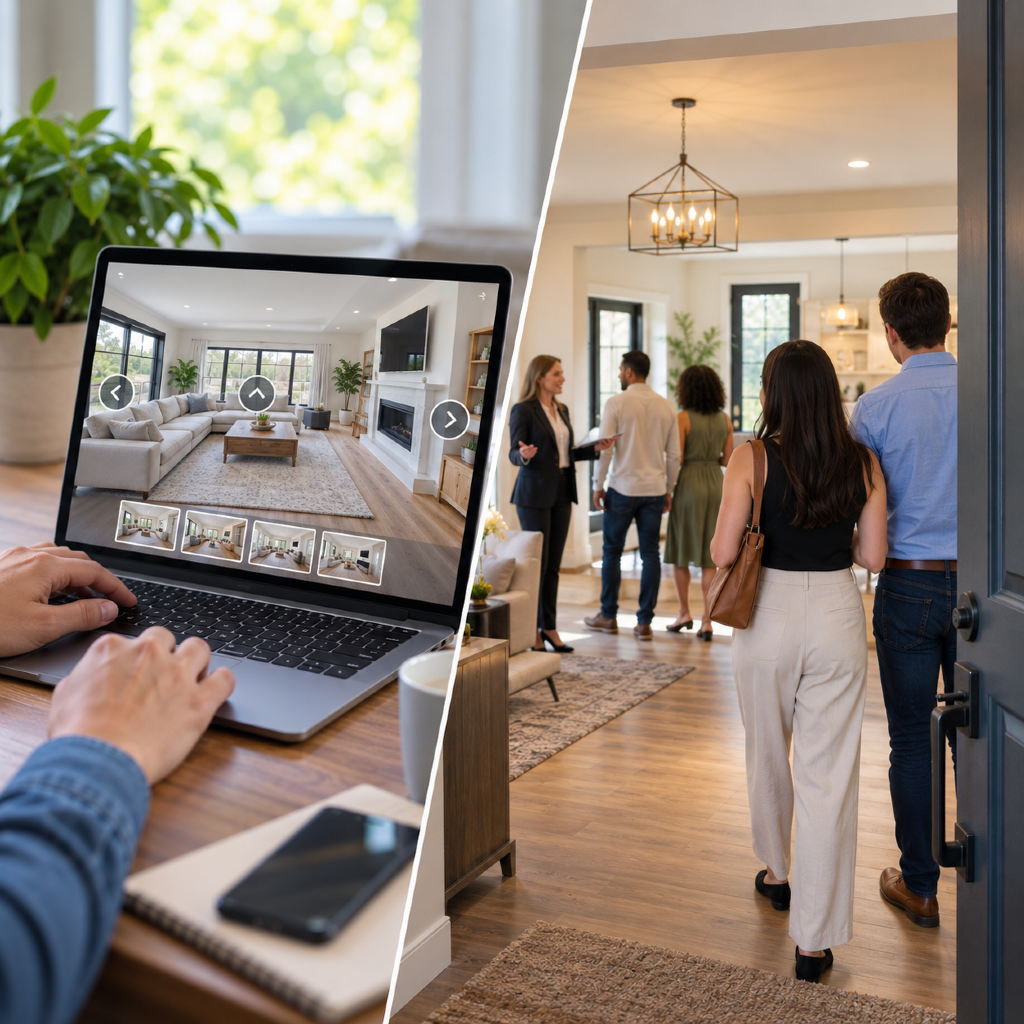
A virtual tour is a digital walkthrough of your home, allowing interested buyers to experience rooms, features, and layouts from their devices. In 2026, most virtual tours go beyond simple photo slideshows. Formats include interactive 3D models, professionally filmed video tours, and 360-degree panoramas. These options let viewers “step” through the house, zoom in on details, and get a strong feel for your space—no in-person visit required.
Common technologies in 2026
Advanced technology now powers immersive experiences. In 2026, virtual reality (VR) and augmented reality (AR) allow buyers to explore listings with VR headsets or even on mobile devices with AR overlays. AI-powered tools can simulate different furniture arrangements or renovations. Most tours are hosted securely online, compatible across computers, phones, and tablets, making virtual access widely available to prospective buyers.
How Do Open Houses Work?
Typical process in 2026
Open houses are scheduled events where potential buyers (and sometimes their agents) can stop by a property during a set window. As a seller, you usually prepare your home with cleaning, staging, and depersonalization for broad appeal. In 2026, standard open houses may still occur on weekends but can also be arranged at varied times to accommodate buyer schedules. Some cities use digital sign-ins and automated visitor notifications to enhance safety and tracking.
In-person experience explained
During an open house, visitors can physically tour your home, ask questions, and imagine themselves living there. The experience is tactile and personal—buyers can appreciate light, space, and flow in ways that photos or video can’t always convey. For many buyers, being able to touch surfaces, experience the neighborhood firsthand, or sense environmental qualities still matters, even as virtual tools evolve.
What Are the Key Differences?
Viewing experience compared
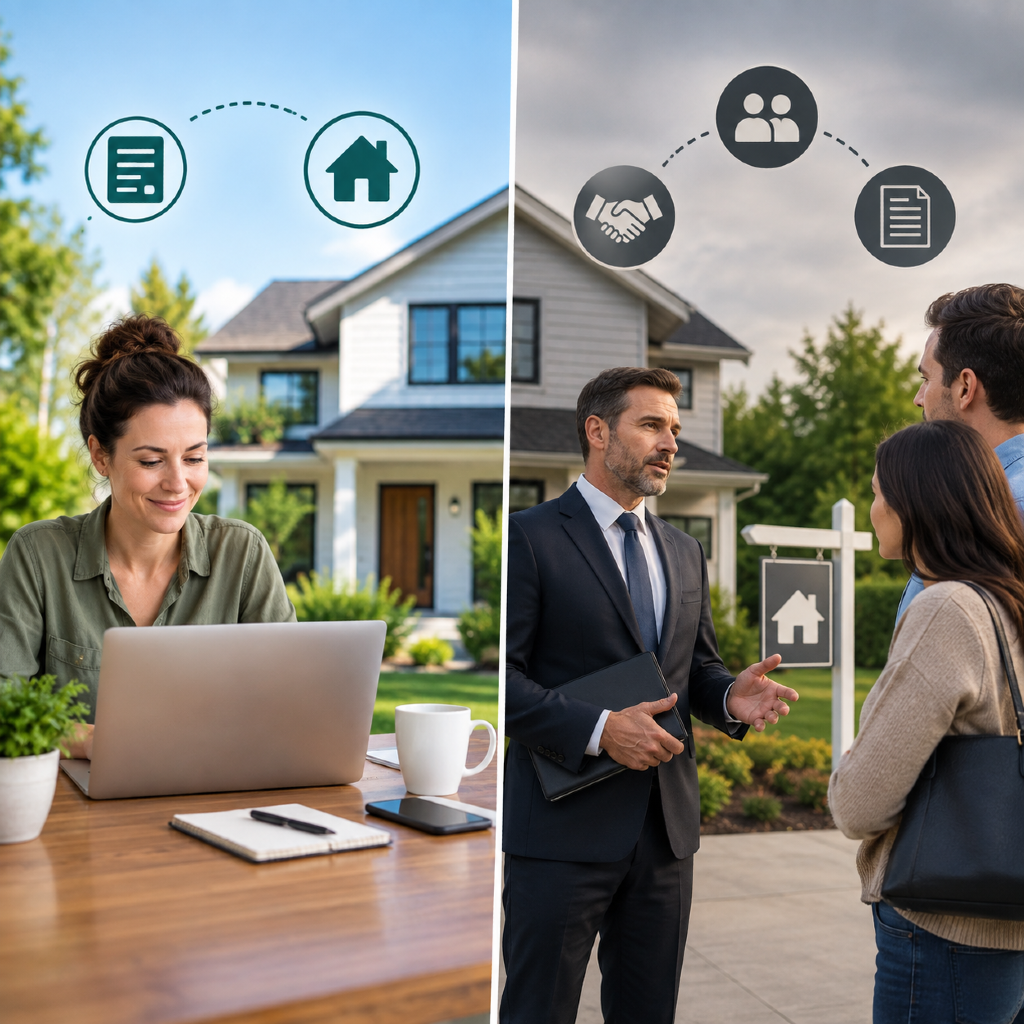
With virtual tours, buyers control their viewing pace and revisit rooms as often as they like, anytime, anywhere. Open houses offer a set window for physical viewing, encouraging commitment to see the home but potentially creating time constraints. Virtual tours provide privacy and convenience, while open houses offer direct sensory experience and personal impressions that can be powerful for decision-making.
Scheduling and time demands
Virtual tours require no appointments—interested parties can view at their convenience. Open houses demand scheduling, preparation, and your home must be presentable and vacant during event hours. For sellers, virtual tours can reduce the disruption of repeated cleanings and last-minute showings. Open houses, however, may generate more immediate engagement, especially from local, ready-to-move buyers.
Privacy and security aspects
Virtual tours limit foot traffic, reducing wear and tear and minimizing in-person exposure. However, they also mean your home’s interior is viewable online, which may require thoughtful removal of personal items or valuables from recorded areas. Open houses involve people physically entering your property, which raises unique security considerations—such as securing personal or sensitive information and monitoring or limiting access to certain rooms.
Pros and Cons of Virtual Tours
Advantages for sellers
Virtual tours help you reach a broader audience, including relocation buyers and out-of-town prospects, without scheduling conflicts. They make your home viewable 24/7 and can help pre-qualify interest—buyers get a clear sense of your home before requesting in-person visits. Virtual tours also reduce the pressure of frequent open houses or individual showings, making the process more efficient.
Potential drawbacks
Some buyers want to physically experience a home before deciding. Virtual tours cannot fully convey scents, acoustics, or the energy of a space. Additionally, producing a high-quality virtual tour may involve upfront effort and professional help. Security is another consideration—homes with sensitive features or valuables may need extra preparation to ensure privacy before filming.
Pros and Cons of Open Houses
Benefits for homeowners
Open houses maximize exposure by inviting local buyers, neighbors, and agents to see your home. They encourage spontaneous interest and give prospective buyers a tangible, emotional connection that virtual methods may lack. Open houses also concentrate showings into a specific timeframe, which may mean fewer disruptions to your daily routine.
Common concerns
Open houses often require extensive preparation—cleaning, staging, and vacating the premises. Security remains a concern as unknown visitors enter your space, and there may be periods of low attendance, depending on market activity. Unlike virtual tours, open houses are one-time events, meaning missed opportunities for those unavailable during the scheduled window.
Which Is Best for Your Situation?
Questions to consider
Ask yourself:
- Are most buyers in your area local, or are out-of-town buyers common?
- Is your home move-in ready, or would a virtual tour show off unique features well?
- How comfortable are you with online exposure vs. repeated in-person events?
- What’s your timeline and tolerance for home preparation and event scheduling?
Matching options to your goals
If you want maximum reach and scheduling ease, a virtual tour may suit you best. If your home’s charm shines in person, or the local market favors traditional showings, open houses might be more effective. Some sellers combine both to maximize exposure and convenience—evaluate your goals and comfort level before deciding.
Can You Combine Both Approaches?
Hybrid strategies in 2026
Many sellers in 2026 use hybrid strategies: launching a virtual tour first to generate buzz and prequalify buyer interest, then following up with open houses for serious prospects. Some markets even expect both options as standard practice. This approach lets you reach online searchers while still capturing the emotional impact of in-person tours.
When combining makes sense
Combining both approaches is sensible if you want to ensure no potential buyers are missed. Virtual tours filter out less serious prospects, and open houses create opportunities for those ready to engage more deeply. Especially in competitive or fast-paced markets, using both can strike a balance between exposure, convenience, and achieving your selling goals.