Key Takeaways
- 3D tours can enhance listing appeal and help buyers visualize a home’s layout remotely.
- Choosing the right media type depends on your property’s features, timeline, and selling goals.
In today’s real estate market, 3D tours are becoming a standard tool for home listings. If you’re selling—or planning to sell—your home, understanding how 3D tours work, their pros and cons, and when they’re the right choice can help you make an informed decision about your listing’s presentation.
What Are 3D Tours in Real Estate?
How 3D Tours Are Created
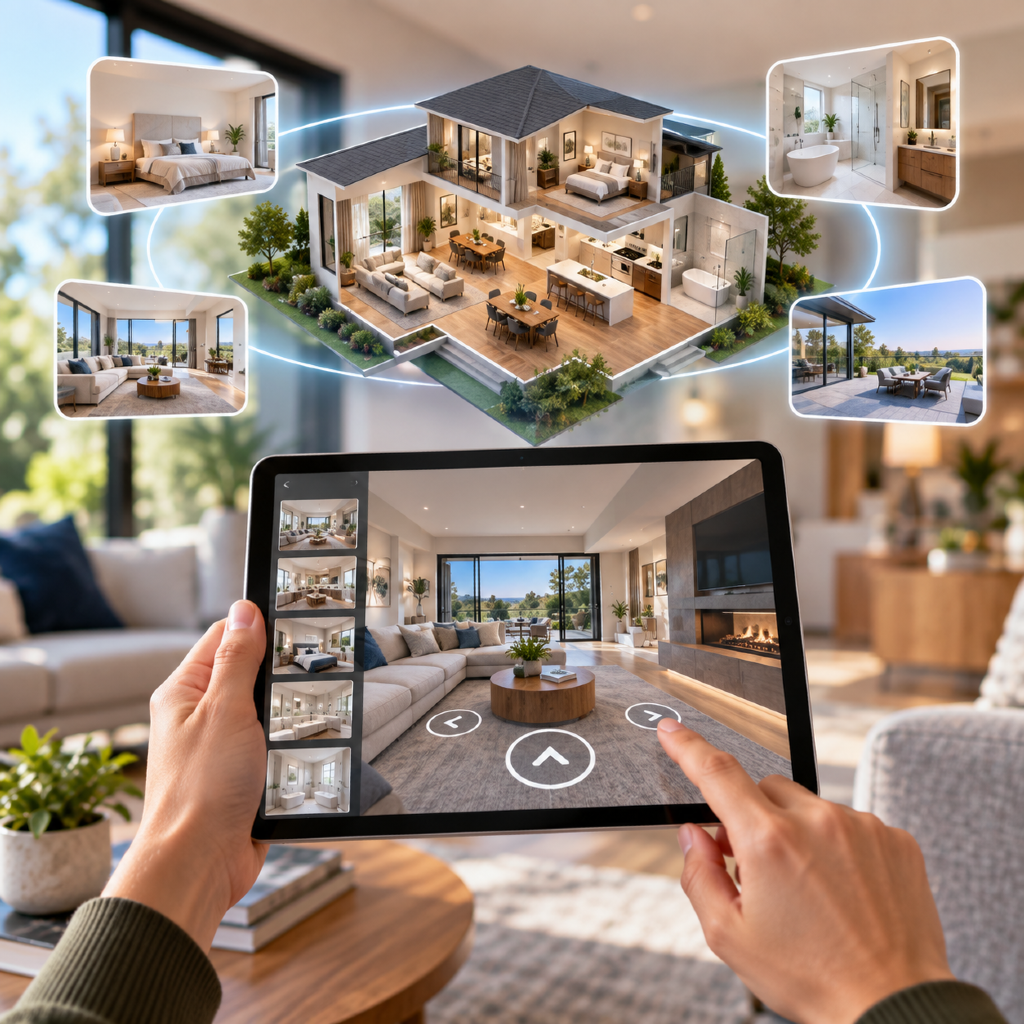
3D tours are interactive, digital walkthroughs that use a series of high-resolution images and advanced software to create a virtual model of a property. To build a 3D tour, a photographer (or sometimes a specialized technician) uses a 360-degree camera or a special mobile device to capture images from multiple locations throughout your home. Software then stitches these images together to create a seamless, immersive experience. Buyers can “walk” from room to room online, change their viewpoint, and even look up or down, just as if touring the home in person—only from their sofa or office.
Typical Features of 3D Tours
Most real estate 3D tours let users navigate at their own pace with simple controls. Features can include:
- Interactive floor plans
- Measurement tools
- Dollhouse or overhead views
- Hotspots providing extra information on finishes and fixtures
Some platforms also enable compatibility with VR headsets, though the most common experience is on a desktop or mobile screen. The result: buyers get a greater sense of scale, flow, and detail than with traditional photos alone.
How Do 3D Tours Help Sell Homes?
Increasing Listing Visibility
3D tours often help showcase homes to a wider pool of buyers. Real estate listings with immersive 3D tours tend to attract more online views, as users are curious to explore the features and layout in detail. Many leading listing sites now include filters for virtual or 3D tour properties. This increased exposure can translate into more interest, particularly from remote buyers or those relocating from other cities.
Helping Buyers Visualize the Space
With a 3D tour, house hunters can revisit your property virtually as many times as they like, comparing it to others on their list—without a physical visit. Unlike static photos, 3D tours let buyers get a truer sense of room size, flow, and how furnishings might fit. This can help buyers pre-qualify homes that match their needs, potentially leading to more serious showings and reducing unnecessary foot traffic.
What Are the Pros and Cons?
Advantages for Sellers and Buyers
For sellers, a well-executed 3D tour can set your listing apart—especially in competitive markets where first impressions matter. Benefits include:
- Attracting out-of-town or busy buyers
- Reducing time and disruption from casual lookers
- Offering a 24/7 open house experience
Buyers gain an accessible, transparent way to compare homes, giving them tools to make confident, well-informed decisions.
Limitations and Challenges
Not every home or situation is suited to 3D tours. There are possible downsides:
- The setup can take longer than ordinary photography (sometimes several hours depending on size and complexity)
- Cost can be higher than standard photography
- If a home has clutter, wear, or is poorly staged, a 3D tour may highlight imperfections instead of strengths
Additionally, technical limitations can include slower load times on older devices, and some viewers may find navigation less intuitive than classic photo galleries.
When Should You Use a 3D Tour?
Best Situations for 3D Tours
3D tours are most effective for:
- Homes with open floor plans or unique layouts
- Properties targeting remote or relocation buyers
- Listings at higher price points where detail matters
- Tightly scheduled markets where minimizing in-person showings is a priority
If your goal is to stand out online and maximize digital exposure, a 3D tour can be an asset, provided the property is well-prepared.
When Alternatives Might Work Better
Sometimes, simpler or more budget-friendly options are preferable. If your home is vacant, in need of repairs, or you’re planning a quick “as-is” sale, professional photos or video may suffice. Also, small spaces or homes with unusual lighting conditions can sometimes be less flattering in 3D formats. Always consider staging quality, photography prep, and whether the added investment in 3D aligns with your target buyer profile.
What Alternatives Exist to 3D Tours?
Traditional Photography and Video
Professional still photos remain the bedrock of most real estate listings. Well-composed, high-quality images can spotlight a home’s selling features, while short video tours offer a guided walk-through at a lower price point than full 3D. Slideshows, panoramas, and drone photography are also common alternatives.
Benefits of Different Media Types
Each media type has its strengths:
- Photography: Fast, cost-effective, and easy to share across marketing channels.
- Video: Provides guided storytelling, music, and agent introductions if desired.
- 3D Tours: Offers the most interactivity, helping buyers actively engage with the space.
Mixing methods—such as pairing quality photos with a short video—can work well for many listings and budgets.
How Much Do 3D Tours Cost?
Typical Pricing Range
The price for a standard 3D tour can range widely, but you might expect to pay between $200 and $600 for most single-family homes. Costs may climb for larger properties or for tours that include extra features like drone footage or floor plans. Prices also vary by local market and provider experience.
Cost Versus Potential Benefits
While a 3D tour is often more expensive than standard photos or a simple video tour, the investment can pay off if it brings more qualified buyers, shortens the marketing timeline, or eliminates unnecessary showings. Weigh these potential benefits against your home’s value, your timeline, and your overall marketing budget.
Are 3D Tours Right for Every Home?
Factors to Consider
Deciding if a 3D tour suits your home means looking at:
- Your budget and marketing goals
- How “show-ready” your property is
- The typical buyer for your home type and neighborhood
- Whether you need to target remote or local buyers
If your home is well-staged and your goal is to attract maximum attention online, a 3D tour is often worthwhile.
Tips for Making the Right Choice
- Stage and clean thoroughly before any photos or scans
- Ask your real estate advisor for neutral input on which media fits your goals
- If on a tight timeline or shoestring budget, high-quality photos may offer the best value
- Remember: any media is only as good as the preparation behind it.
Invest time in decluttering and highlighting your home’s strengths.