Key Takeaways
- Interviewing multiple agents helps you make an informed, confident decision before listing your home.
- Look for experience, clear communication, and strong ethical standards to ensure a positive selling experience.
Selecting the right listing agent is one of the most important choices you’ll make when selling your home. Understanding an agent’s role, necessary qualities, and the right interview questions helps you navigate this process with confidence and clarity.
What Is a Listing Agent?
Listing agent’s role in home sales
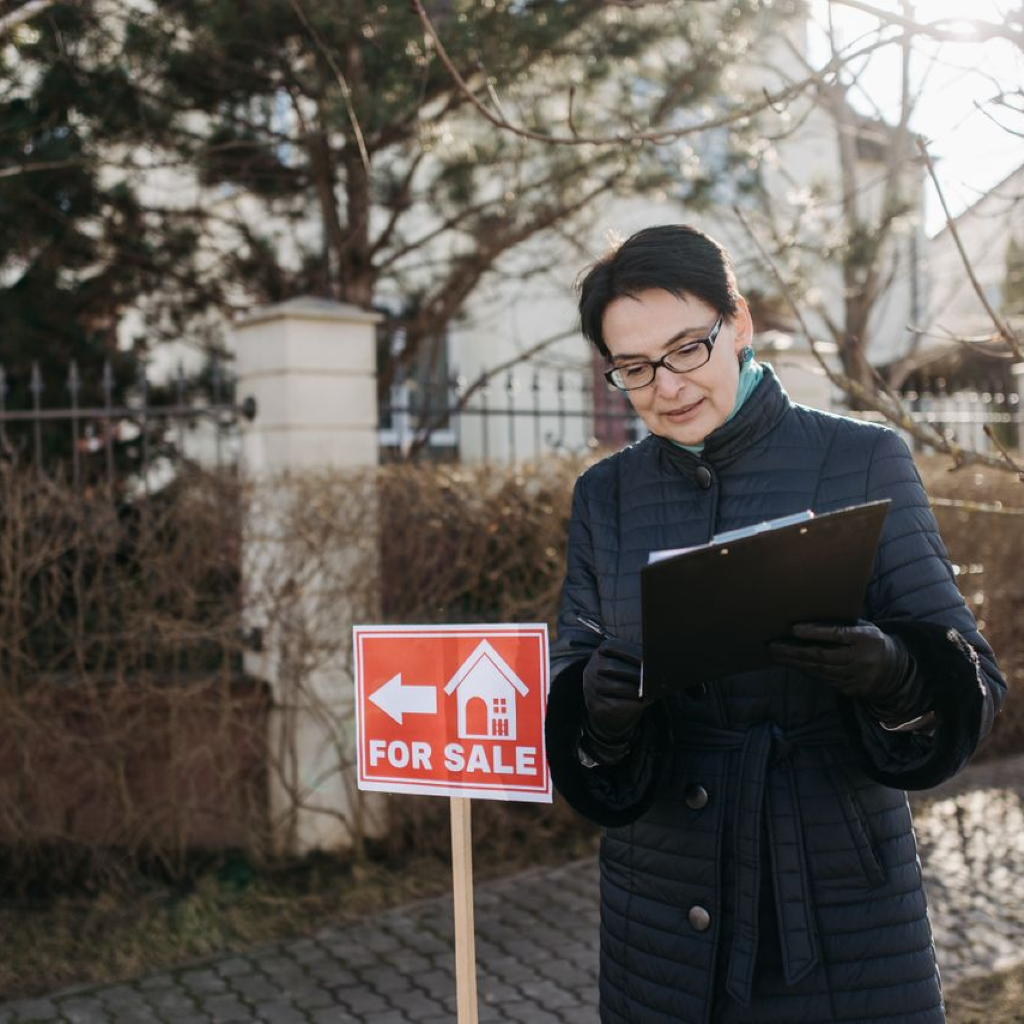
A listing agent, sometimes called a seller’s agent, is your representative during the home selling process. Their main responsibility is to work on your behalf, helping you prepare, market, and manage your home sale from start to finish.
Typical services provided
Your listing agent offers a variety of services, usually including:
- Pricing guidance based on local market data
- Home staging and improvement advice
- Marketing the property online and offline
- Coordinating showings and open houses
- Handling offers and negotiations
- Assisting with paperwork and timelines
- Serving as your key contact until closing
Difference from a buyer’s agent
While a listing agent works for you as the seller, a buyer’s agent represents the home buyer’s interests. It’s important to know that these agents have separate duties and prioritize their own clients’ goals during negotiations and throughout the transaction.
Why Does Agent Choice Matter?
Impact on sale outcome
The agent you choose influences your selling experience, how your property is marketed, and potential buyer interest. Their expertise and approach can affect how smoothly the process goes and your satisfaction with the overall outcome.
Influence on timing and process
Experienced listing agents help set realistic timelines, coordinate effective showings, and troubleshoot issues that often arise. Their knowledge can help streamline steps—making sure paperwork is complete, deadlines are met, and your home’s visibility is maximized.
Risks of poor selection
Selecting an agent without the right skills or commitment can lead to added stress, confusion, and missed opportunities. Inadequate marketing or poor communication could delay your sale or limit your access to qualified buyers.
Which Qualities Define Top Agents?
Experience and local market knowledge
Look for agents with several years of active experience in your local area. Local familiarity helps them price your home competitively, understand neighborhood trends, and provide advice tailored to your specific location.
Communication and responsiveness
Strong agents keep you informed, answer questions clearly, and respond to calls or emails promptly. Open communication helps set expectations around showings, feedback, and offers, making the process easier and more transparent.
Ethics and transparency
Trust and honesty are essential in real estate. A top agent practices full transparency about pricing, offers, and commissions. They should act ethically at all times, working in your best interests and being upfront about any potential conflicts or limitations.
What Questions Should You Ask?
Interview questions to consider
When interviewing potential listing agents, consider these key questions:
- How many homes have you listed and sold in my area recently?
- What is your strategy for marketing my home?
- How will you communicate updates and feedback?
- What suggestions do you have for preparing my home to sell?
- Can you provide references from recent sellers?
- What are your commission and contract terms?
How to assess agent responses
Pay attention to how clearly and confidently each agent answers your questions. Look for specifics—such as detailed marketing plans or communication routines—rather than vague promises. Agents who take time to understand your needs and answer thoughtfully may provide stronger support throughout the sale.
Red flags to watch for
Exercise caution if you notice:
- Unwillingness to provide references or local sales data
- Vague or evasive answers to your questions
- Reluctance to discuss commission details or contract terms
- Pushy tactics designed to rush your decision
Each of these may signal an agent who does not prioritize your interests.
How Can You Compare Listing Agents?
Evaluating track records and references
Review each agent’s recent success in selling properties similar to yours and in the same area. Ask for references, and speak with past clients about their experiences. This helps verify an agent’s consistency and reliability.
Comparing marketing strategies
Understand how each agent plans to market your property. Are they using professional photography, comprehensive online listings, and local outreach? Effective agents can explain their marketing plan clearly and show how it stands out in your neighborhood.
Reviewing commission and contract terms
Real estate commissions and contracts can vary. Ask each agent for a transparent breakdown of their fees, what services are included, and how long the listing agreement will remain in effect. Make sure you are comfortable with all terms before moving forward.
What Are Common Seller Mistakes?
Overlooking agent credentials
One common mistake is hiring an agent without verifying their background, licenses, and training. Double-check agent credentials with local and state authorities to ensure they are qualified and in good standing.
Relying solely on referrals
While referrals from friends or family can help identify agents, they shouldn’t be your only criterion. Markets and property types can vary widely, so what worked well for one seller may not suit your needs or expectations.
Ignoring personality fit
The selling process can be lengthy and sometimes emotional. Choose an agent whose style, communication, and values align with yours. Working with someone who understands your goals and listens to your concerns can make your experience more positive.