Key Takeaways
- Strategic pre-list updates can improve a home’s marketability when tailored to current buyer preferences.
- Balancing renovation costs with expected impact is crucial—focus on updates that align with market data.
Preparing your home for sale can be a balancing act: You want the upgrades that impress buyers without overspending on changes that won’t pay off. This Q&A walks you through the essentials of maximizing ROI on pre-list updates and helps you choose valuable renovations for 2026.
What Is ROI on Pre-List Updates?
Defining ROI in Real Estate
Return on investment (ROI) in real estate refers to how much additional value a renovation or update brings relative to its cost. You calculate ROI by comparing the upgrade cost to the resulting increase in property value or eventual sale price, though many external factors in the broader market can affect the numbers.
How Pre-List Renovations Influence ROI
Pre-list renovations can make your home more attractive to buyers, which may support a smoother or quicker sale. However, not every update has the same potential to improve perceived value. Strategic improvements—chosen with buyer demand and cost-effectiveness in mind—typically offer higher ROI than major, high-cost remodels done without market research.
Which Renovations Add the Most Value?
Top Interior Improvements
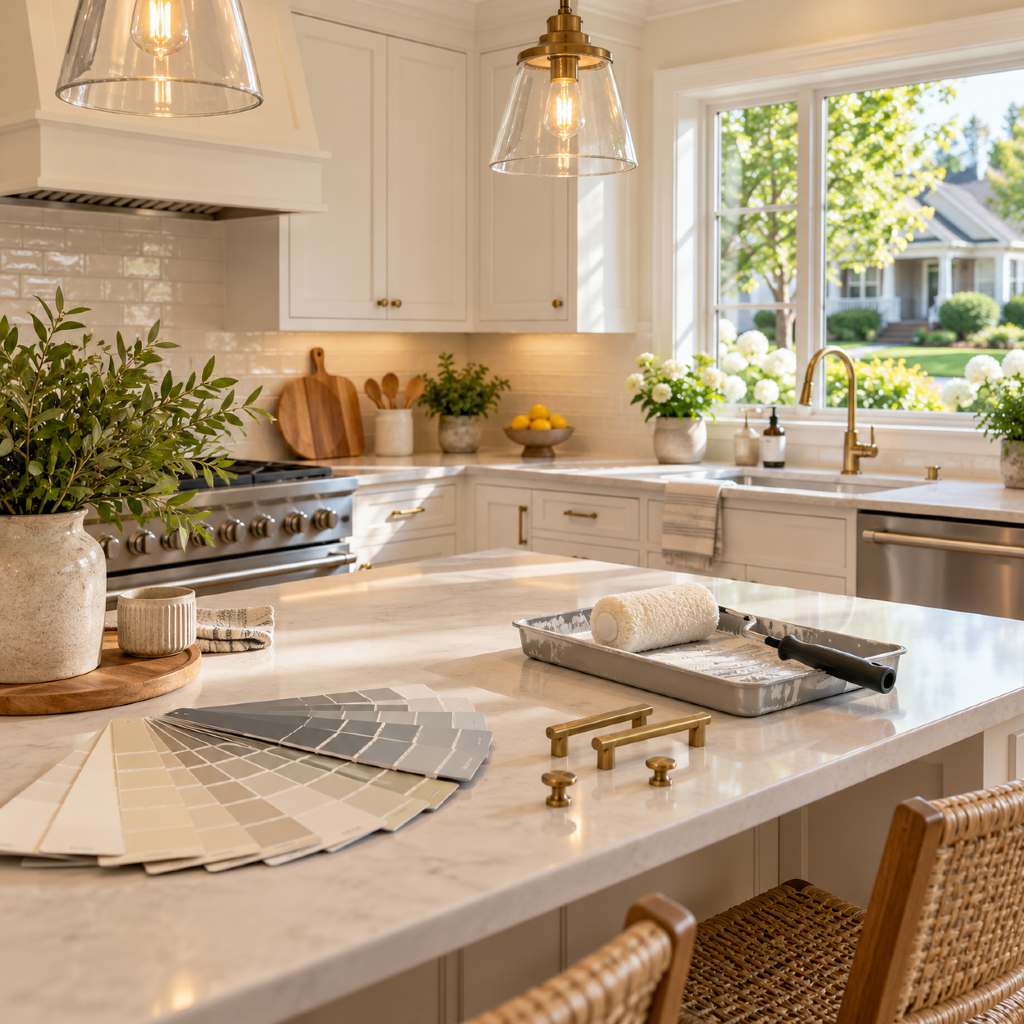
Many buyers focus on kitchens, bathrooms, and overall condition. Updates like new paint, upgraded lighting, and refreshed kitchen hardware often make a strong first impression. Modernizing fixtures or replacing worn carpets with durable, neutral flooring can elevate your home’s appeal without a large investment.
In bathrooms, replacing outdated faucets, mirrors, or lighting can modernize the space at a relatively modest cost. If the kitchen layout is functional, simple upgrades (cabinet refacing, adding a backsplash) often deliver a greater return than full gut remodels.
Outdoor and Curb Appeal Projects
First impressions matter. Improving curb appeal—such as repainting the front door, adding fresh landscaping, or replacing house numbers—can be both affordable and impactful. Exterior power washing, repairing walkways, and ensuring attractive outdoor lighting also boost a property’s marketability.
Deck touch-ups, fence repairs, and updating mailbox styling are small improvements that signal a well-cared-for home. Well-executed exterior projects typically improve ROI by drawing buyers in from the moment they arrive.
Minor vs. Major Renovations
While major renovations (such as extensive kitchen remodels or adding rooms) can transform spaces, they often deliver lower ROI because they’re expensive and take longer. Minor renovations—like cosmetic updates, replacing plumbing fixtures, or a fresh coat of paint—usually cost less but can significantly improve how your home is perceived.
How Do Market Trends Affect Renovations?
Regional Differences in Upgrades
The upgrades buyers value most often vary by region. For example, homeowners in colder climates may see better returns from improved insulation or energy-efficient windows, while those in warmer areas may prioritize patio or outdoor-living upgrades. Assess the features that are common or in demand in your local market before investing.
Current Buyer Preferences in 2026
Heading into 2026, buyers continue to look for energy-efficient features, flexible spaces (such as home offices), and clean, move-in-ready environments. Trend data shows strong demand for smart thermostats, eco-friendly materials, and functional outdoor spaces. Prioritizing these preferences often leads to better ROI on your updates.
Should Sellers Prioritize Budget or Impact?
Setting a Realistic Renovation Budget
Begin with a clear, written budget based on your property’s current condition and comparable homes for sale nearby. Allocate most of your budget to updates that improve the home’s first impression, as buyers typically notice these most.
Balancing Cost and Potential Return
Not all high-cost updates are wise investments. Evaluate whether the expected market value increase outweighs expenses. Use cost-vs-value reports, consult neutral third-party market analyses, and resist the urge to over-personalize updates. Practical improvements often deliver better ROI than luxury upgrades.
What Renovation Myths Should Sellers Know?
Misconceptions About ‘Must-Do’ Updates
A common myth is that you must fully renovate kitchens or bathrooms to sell a home successfully. In fact, targeted cosmetic improvements can have more impact than a full remodel. Homebuyers often value recent paint, updated hardware, and functional layouts more than costly luxury finishes.
Avoiding Common Over-Spend Pitfalls
Another misconception is that every dollar spent will translate directly into added sale value. Over-investing in renovations that don’t match the neighborhood or over-customization can reduce ROI. Instead, focus on broadly appealing, neutral, practical improvements.
How to Evaluate If a Renovation Is Worthwhile?
Checklist for Assessing Update Value
When considering updates, ask yourself:
- Is the area worn or outdated compared to similar homes for sale?
- Will this update solve a buyer’s potential objection?
- Are you addressing basic repairs first, before cosmetic changes?
Assess if the work improves safety, appearance, or functionality. Prioritize changes that will be widely appreciated by buyers.
Consulting Market Data Without Bias
Rely on local sales data and recent renovation ROI reports, rather than anecdotes or personal taste. Look for neutral resources, such as cost vs. value studies, and weigh advice from unbiased market professionals—remember to keep your analysis grounded in current, local market realities.
Do Pre-List Renovations Always Pay Off?
Factors That Impact Final ROI
Several factors affect your ultimate return, including:
- Current housing demand and local market conditions
- The quality of the work completed
- The price point and location of your property
Managing expectations and timing renovations to local market cycles can separate a wise investment from unnecessary spending.
Learning from Real-World Home Sales
Recent home sale records show that homes with strategic, modest updates typically attract more buyer interest. However, not every project guarantees a higher offer—market conditions and buyer preferences constantly evolve, so data-driven decisions are crucial.
What Are Alternatives to Major Renovations?
Quick Refresh Options
If time or budget is limited, simple touch-ups—such as deep cleaning, decluttering, new lampshades, or replacing door handles—can freshen a home’s look. These minimal updates can boost appeal with modest effort.
When Staging May Be Enough
In some markets, staging a property with neutral furniture and décor can achieve many of the same goals as a full renovation. Professional or DIY staging highlights your home’s strengths, minimizes flaws, and helps buyers visualize themselves in the space—often offering significant value for a lower upfront cost.