Key Takeaways
- Understanding staging cost factors and new trends helps you make more informed decisions before selling.
- Avoiding key mistakes and focusing on emerging innovations can improve buyer impressions and perceived property value.
Thinking about selling your home in 2026? Staying up to date with expert-approved staging trends can help you showcase your property in the best possible light. This guide covers current cost factors, value implications, and practical advice for making staging work effectively for your selling journey.
What Is Home Staging in 2026?
Definition and purpose
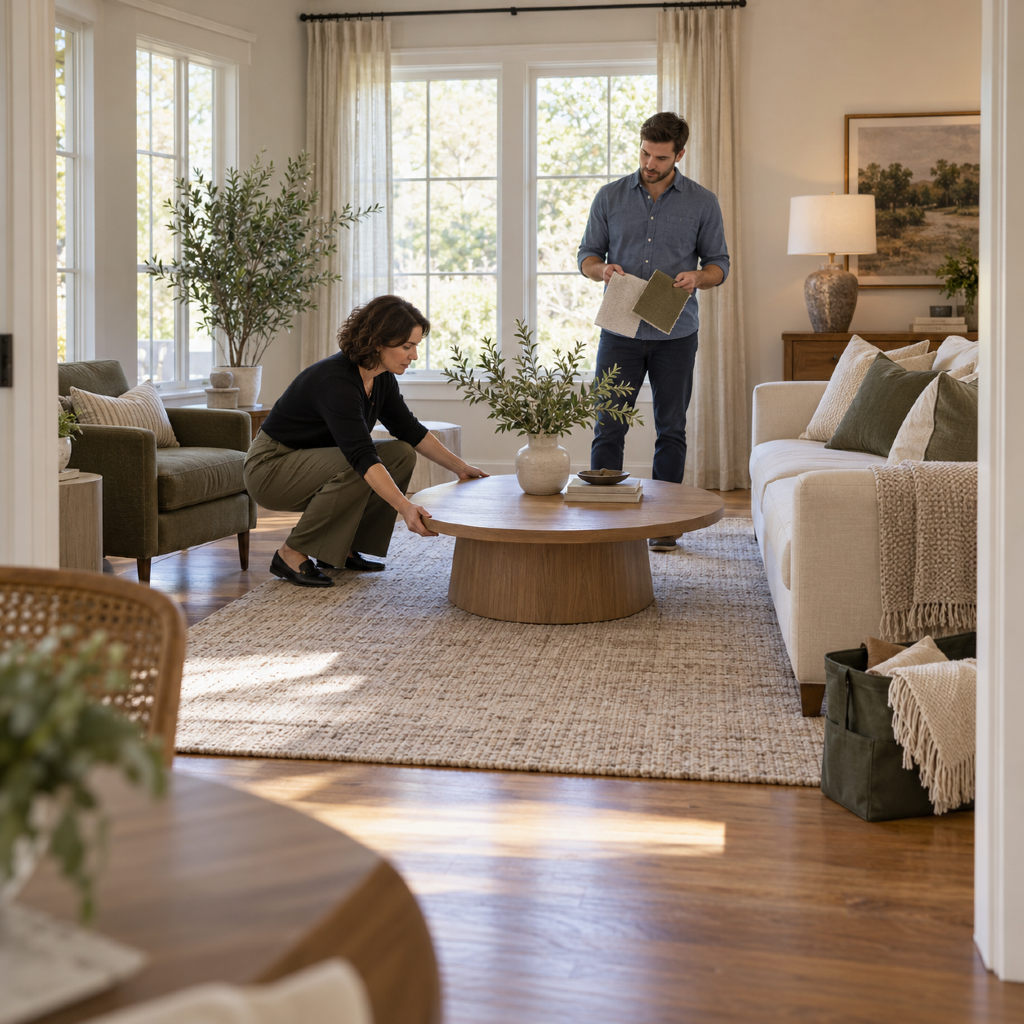
Home staging refers to preparing and decorating a home to appeal to the widest range of potential buyers. The process typically involves decluttering, rearranging furniture, adding updated décor, and sometimes using professional design elements to highlight each room’s best features. In 2026, staging still helps you emphasize space, function, and style, making it easier for buyers to envision themselves living there.
How trends have evolved recently
Over the past few years, staging has evolved to include not just physical spaces but also digital and hybrid options. Technological innovations, environmental considerations, and changing lifestyle needs have led to more personalized, flexible staging solutions. As a seller, you’ll now encounter a wider mix of traditional in-person staging, eco-friendly upgrades, and high-quality virtual tours.
Why Consider Staging Before Selling?
Potential impacts on buyer impressions
Creatively and thoughtfully staged homes tend to create stronger first impressions with buyers. Cleaner, brighter, and well-arranged rooms help visitors connect with the space quickly. Good staging can reduce everyday clutter, make rooms appear larger, and highlight features buyers might otherwise miss.
When staging could offer the most value
Staging often adds the most value when your home competes with similar listings in your area, especially in slower markets or regions with higher buyer expectations. If your property has unique features, atypical layouts, or dated interiors, strategic staging can help clarify possibilities and minimize perceived drawbacks. Updated staging is especially valuable for vacant homes, where unfurnished rooms may look smaller or less inviting.
What Are 2026 Staging Cost Factors?
Size and location of property
The cost to stage your home depends largely on its size and location. Larger properties or those with more rooms generally require more furniture and décor, raising costs. Homes in urban centers may have higher staging fees due to increased demand and higher transportation costs, while rural homes may have fewer local staging providers and additional logistical considerations.
Type of staging approach used
Staging can range from light-touch consultations and DIY plans to full-scale professional staging with luxury rentals. Virtual staging—using software to add digital furnishings and finishes to photos—is increasingly common and can be more budget-friendly. The staging you choose should reflect your goals, property type, local buyer preferences, and budget.
Other common price influencers
Additional costs can arise from painting, minor repairs, deep cleaning, or renting items to replace or supplement existing furniture. The staging contract—length of rental and scope of services—will also affect your total expenses. Many homeowners in 2026 also consider sustainability, opting for eco-conscious staging materials or energy-efficient upgrades, which may impact costs but can appeal to certain buyer segments.
Emerging Staging Trends for Homeowners
Popular styles and design elements
In 2026, clean lines and light, neutral color palettes continue to dominate popular staging schemes. Biophilic design—the use of plants and organic materials—remains in demand, connecting indoor spaces to nature and promoting well-being. Flexible furniture that adapts to remote work or multipurpose use is also trending, helping buyers picture productivity and comfort at home. Authenticity and small, personalized touches (while remaining broadly appealing) give spaces warmth without overpersonalization.
Technology-driven staging innovations
Virtual and augmented reality tours have moved into the mainstream. Buyers can now explore staged spaces remotely, increasing accessibility for out-of-town buyers and allowing you to reach a wider audience. Staged homes also incorporate smart home devices, interactive lighting controls, and energy monitoring systems to highlight tech-forward features and future-proof appeal.
How Does Staging Affect Home Value?
What market studies indicate
Market data suggests staged homes consistently photograph better, generate more buyer interest, and may receive more showings compared to unstaged homes. While staging does not guarantee a higher sale price or faster sale, it often helps your home stand out among similar listings, sometimes reducing the perception of flaws and increasing the perceived property value.
Value versus cost considerations
Weighing staging’s costs against its potential value is vital. For many properties, especially those in competitive or higher-priced markets, the investment in staging is reasonable compared to the possible boost in buyer engagement. However, results can vary, so make staging decisions as one part of your broader selling strategy.
What Mistakes Should Sellers Avoid?
Overpersonalizing spaces
One common mistake is making staging choices that reflect your personal taste instead of aiming for broad buyer appeal. Highly personalized décor or family-focused details can make it harder for potential buyers to envision the property as their own. Aim for neutral color schemes, simple accents, and universal appeal.
Ignoring curb appeal
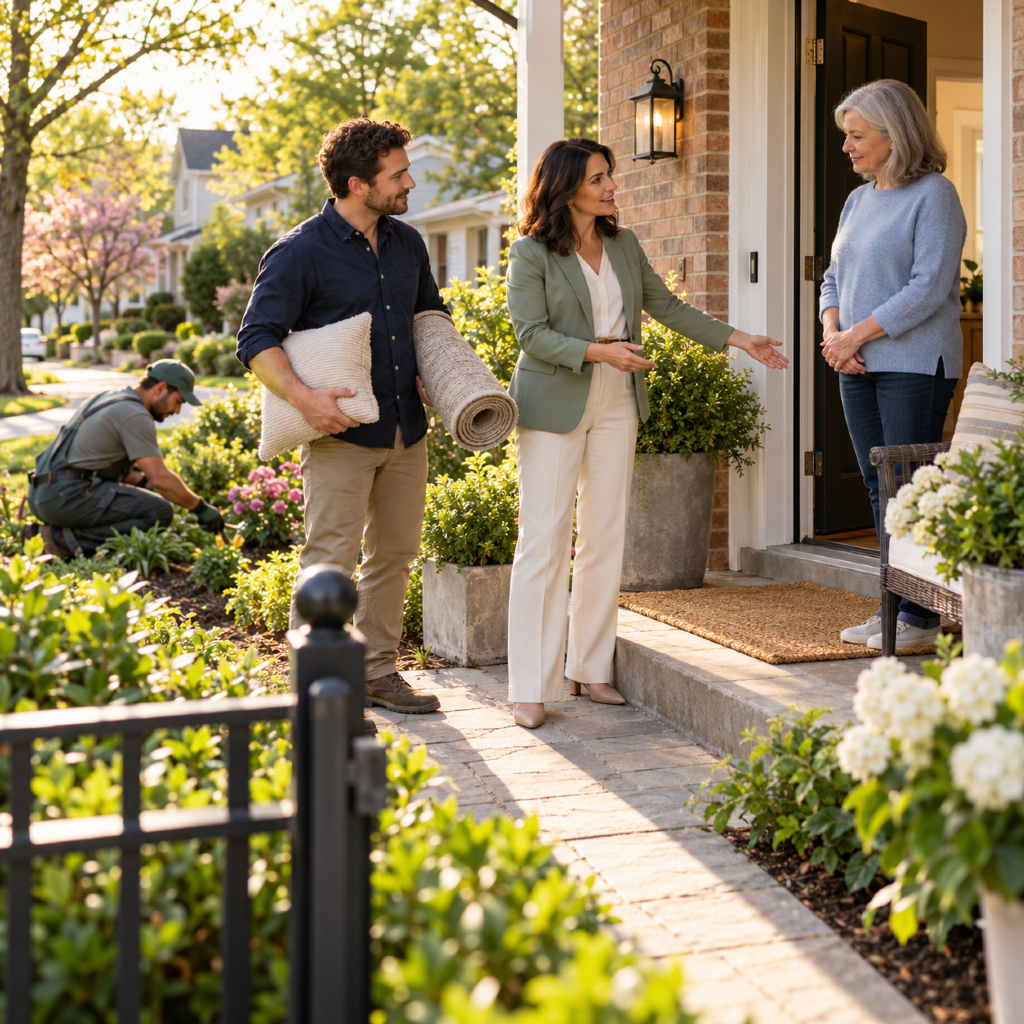
First impressions begin before a buyer steps inside. Overlooking exterior presentation—such as landscaping, entrance cleanliness, and lighting—can diminish the effectiveness of all your indoor staging efforts. Addressing curb appeal ensures the experience starts and ends on a positive note.
Using outdated décor
Dated or worn décor can distract buyers and raise questions about the property’s maintenance. Stay updated with current design trends, focusing on fresh, tasteful updates that don’t require major renovations.
Is Professional Staging Always Necessary?
DIY staging tips
If hiring a professional stager isn’t feasible, you can still take several steps yourself. Start by cleaning thoroughly, decluttering, and depersonalizing key spaces. Rearranging furniture to open pathways, adding new light bulbs, and placing a few on-trend accessories can go a long way toward modernizing the look and feel.
When to consult an expert
Bringing in a professional stager is typically helpful if your listing is unique, highly competitive, or vacant, or if past buyer feedback suggests your home requires a fresh approach. Experienced stagers can quickly identify the adjustments that will deliver the best results for your investment.