Key Takeaways
- 3D and video tours can increase online interest and efficiency in the home selling process.
- Understanding how to prepare and what to expect helps homeowners make informed marketing decisions.
Thinking of selling your home? The growing use of 3D and video tours is transforming the real estate market—especially since 2020. More buyers now start their home search online than ever, and their expectations for digital experiences continue to shape how homes are marketed. Let’s look closely at how these new tools impact your selling strategy.
What Is a Listing Agent’s Role?
Basic responsibilities
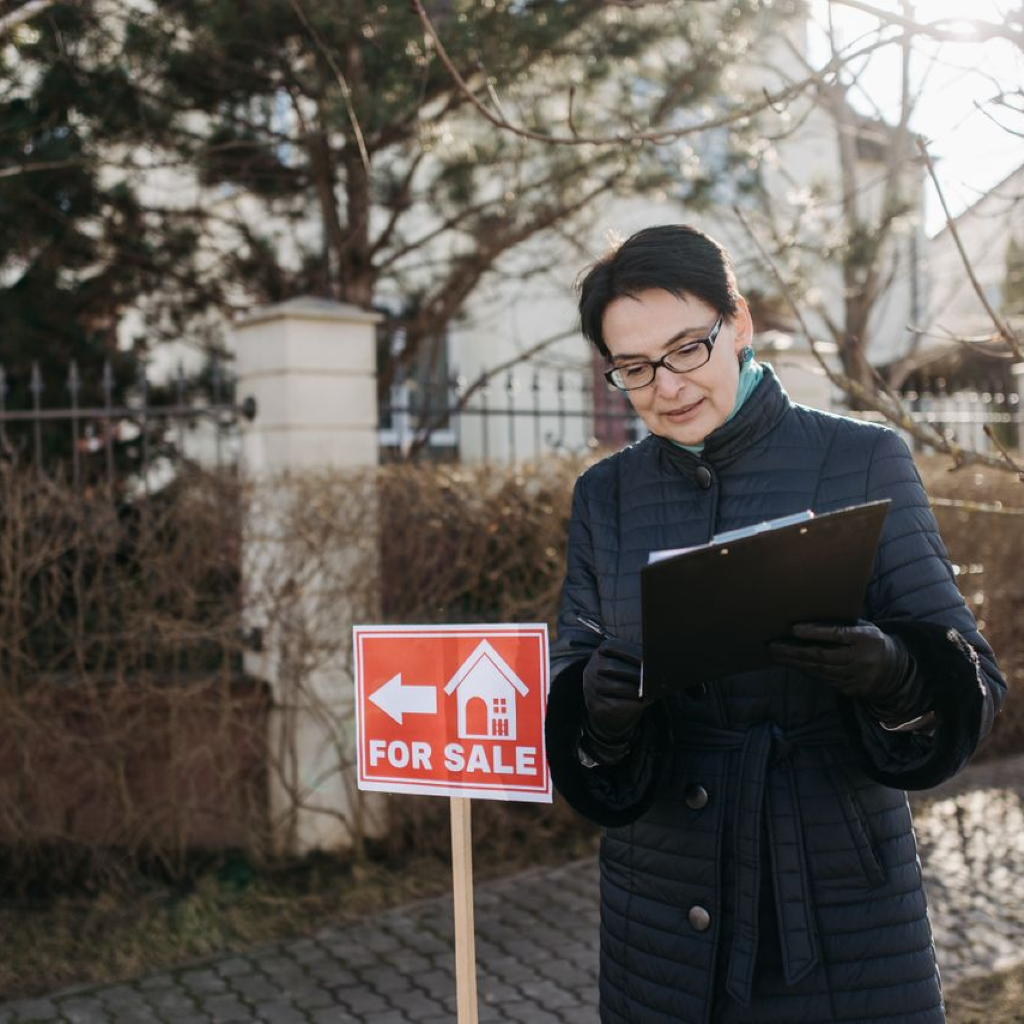
A listing agent guides you through the home selling process. Their primary job includes pricing your home, listing it in the local marketplace, negotiating with buyers, and managing the transaction paperwork. They also serve as your advisor for preparing your property and developing a marketing plan to attract qualified buyers.
Traditional marketing methods
Before the growth of digital tools, listing agents would typically use printed flyers, yard signs, neighborhood mailers, and in-person open houses to market properties. They might have coordinated professional photography and offered home staging tips to boost your home’s curb appeal for showings and print advertisements.
Modern listing strategies
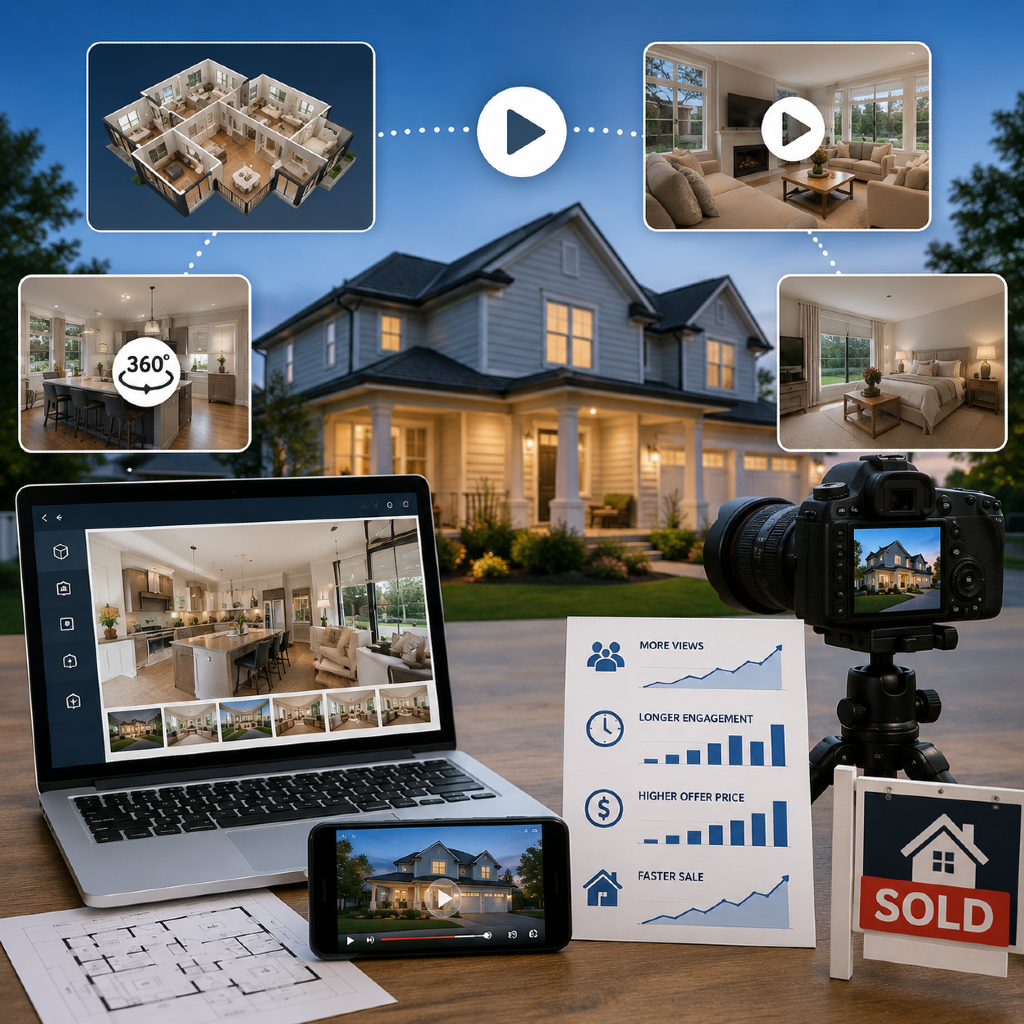
Today, listing agents often blend classic marketing with new technologies. In addition to traditional methods, digital listings, 3D walkthroughs, professionally filmed video tours, and interactive floor plans have become regular features. These tools improve a home’s visibility online and provide a richer first impression to a wider audience.
How Do 3D and Video Tours Work?
The technology behind virtual tours
A 3D tour uses special cameras to capture a space from multiple angles, producing a digital, navigable model of your home. Prospective buyers can move through each room on their screen, getting a sense of flow, scale, and layout. Video tours—often narrated—offer a guided walk-through filmed by professionals or agents, showcasing both the property’s highlights and details.
Common tools used
Leading platforms for 3D tours include Matterport, Zillow 3D Home, and similar technologies. Video tours are usually filmed in high definition and presented on listing sites, social media, or brokerage websites. Some agents also offer interactive floor plans or live-streamed virtual open houses.
What sellers should know
These virtual tools can make your home accessible to buyers who are searching remotely or are hesitant to schedule in-person visits. To get the best results, it is important to prepare your home carefully before filming or scanning, similar to preparing for an in-person showing—think decluttering, cleaning, and maximizing natural light.
Can Virtual Tours Boost Interest in Homes?
Understanding buyer behaviors
Most buyers today start their search online and are more likely to engage with listings that include immersive content. They want detailed, accurate information before deciding to visit in person. Virtual tours can meet this expectation, inviting more interest early in the process.
Comparing virtual and in-person showings
Virtual tours will not replace in-person visits entirely, but they serve as a valuable first step. Buyers often use 3D and video tours to narrow down their choices, selecting only the homes that truly match their preferences for a physical walk-through. This makes the overall process more efficient for both sellers and buyers.
Factors influencing buyer engagement
Properties with high-quality digital presentations tend to gather more online views and shares. Well-produced tours highlight your home’s unique features—including layout, finishes, and outdoor spaces—that photographs alone might not fully convey.
What Did the Case Study Reveal?
Setting and methodology
The case study tracked several comparable homes listed in the same market, split between those marketed with traditional photos only and those featuring 3D and video tours. The research aimed to observe any differences in online activity, inquiry rates, and overall buyer engagement.
Home features and market conditions
Homes included varied in age, size, and price, but all were standard residential listings in active neighborhoods during a typical selling season. Market conditions were balanced, with steady buyer demand and average inventory.
Observed trends and findings
Homes that offered 3D and video tours saw noticeably higher online view counts and received more direct inquiries from potential buyers. They experienced fewer canceled or unnecessary showings, as buyers often ruled out unsuitable homes before scheduling a visit. While the study did not track sale prices or timelines for compliance reasons, the evidence pointed to improved efficiency and stronger initial interest when robust virtual tools were used.
Benefits of 3D and Video Tours for Sellers
Convenience for homeowners
Virtual tours can reduce the need for frequent, last-minute in-person showings. This is especially helpful for sellers with busy schedules or young children at home. You spend less time preparing your home for visits that may not lead anywhere.
Increased online visibility
Listings featuring virtual tours often gain more attention on real estate portals. Buyers searching from out of town or those unable to visit in person can still “walk through” your property. This expanded reach can increase your chance of attracting competitive offers.
Reducing unnecessary showings
Qualified buyers can make more informed decisions before requesting an in-person tour. As a result, most visitors have already determined that your home meets their needs, saving you time and minimizing disruptions.
Are There Challenges to Virtual Tours?
Privacy and security concerns
3D and video tours capture detailed images of your home’s interior. Consider removing valuables, personal photos, and sensitive documents before filming. Discuss privacy settings and online distribution with your agent to ensure only prospective buyers have access if desired.
Technology barriers
Not all homeowners are comfortable with the latest tech, and some properties present filming challenges such as tight spaces or dim lighting. Ensure your listing agent uses reliable equipment and professional service providers for the highest quality output.
Limitations in showing property details
While virtual tours provide a strong sense of a home’s overall feel, some details—like neighborhood ambiance, street noise, or specific lighting—still require an in-person experience to fully appreciate. Set realistic expectations about what a virtual tour can and cannot convey.
What Should Homeowners Ask Their Agent?
Evaluating marketing options
Ask your listing agent about the full range of marketing strategies considered for your property. Discuss which digital tools they recommend, based on your target buyers and local market trends.
Assessing the need for virtual tours
Consider the likely audience for your home. Are most buyers shopping from a distance, or are they local? Your agent can help you weigh the value of 3D and video tours in your particular market segment.
How to prepare your home for filming
Request clear guidance for getting your home “show ready” prior to filming. Simple steps like decluttering surfaces, enhancing natural light, and staging key spaces can improve your tour’s appeal.