Key Takeaways
- Curb appeal can attract more buyers and enhance perceived home value, but doesn’t guarantee a higher sale price.
- Homeowners should weigh costs, effort, and local conditions before investing in curb appeal improvements.
A home’s exterior often shapes potential buyers’ opinions before they even step inside. If you’re preparing to sell in 2026, understanding curb appeal—and its real influence on home value—can help you set expectations, avoid common missteps, and choose updates that make sense for your situation.
What Is Curb Appeal in Real Estate?
Definition and examples
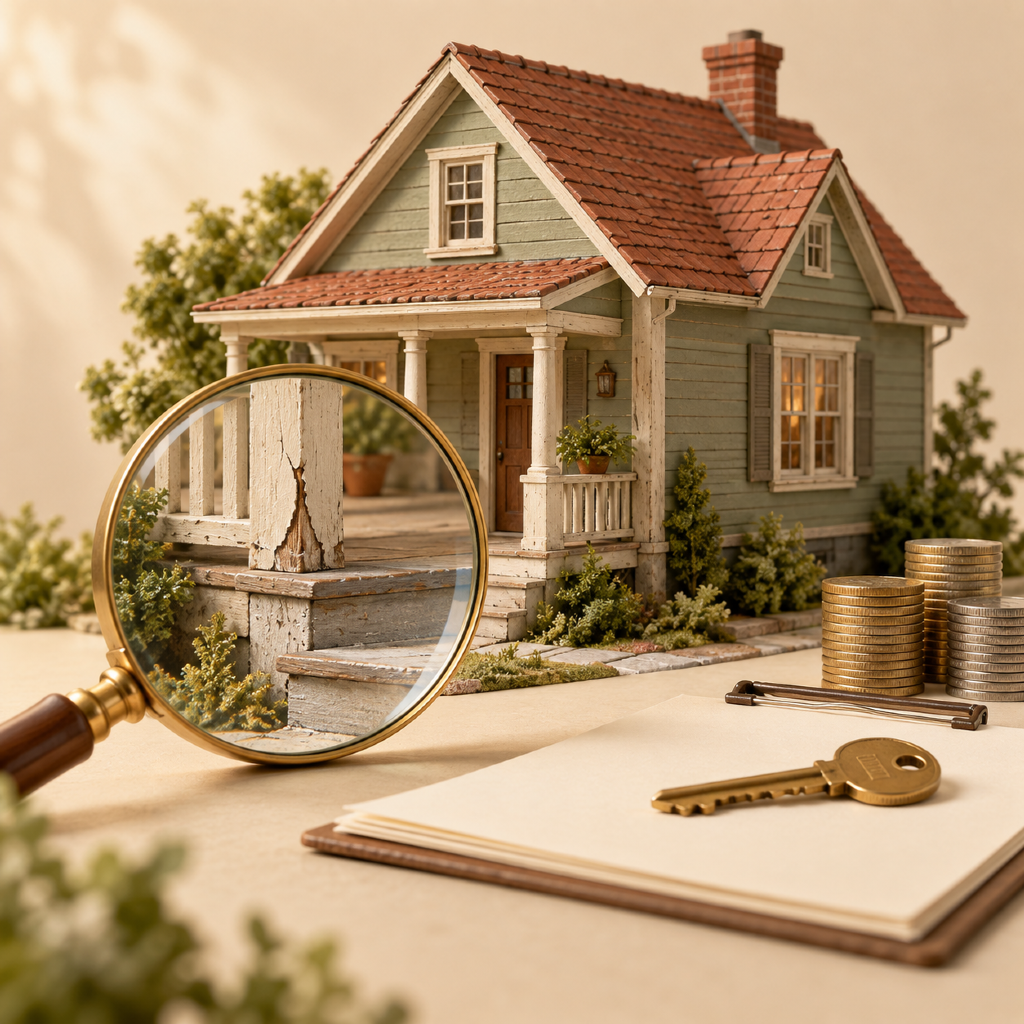
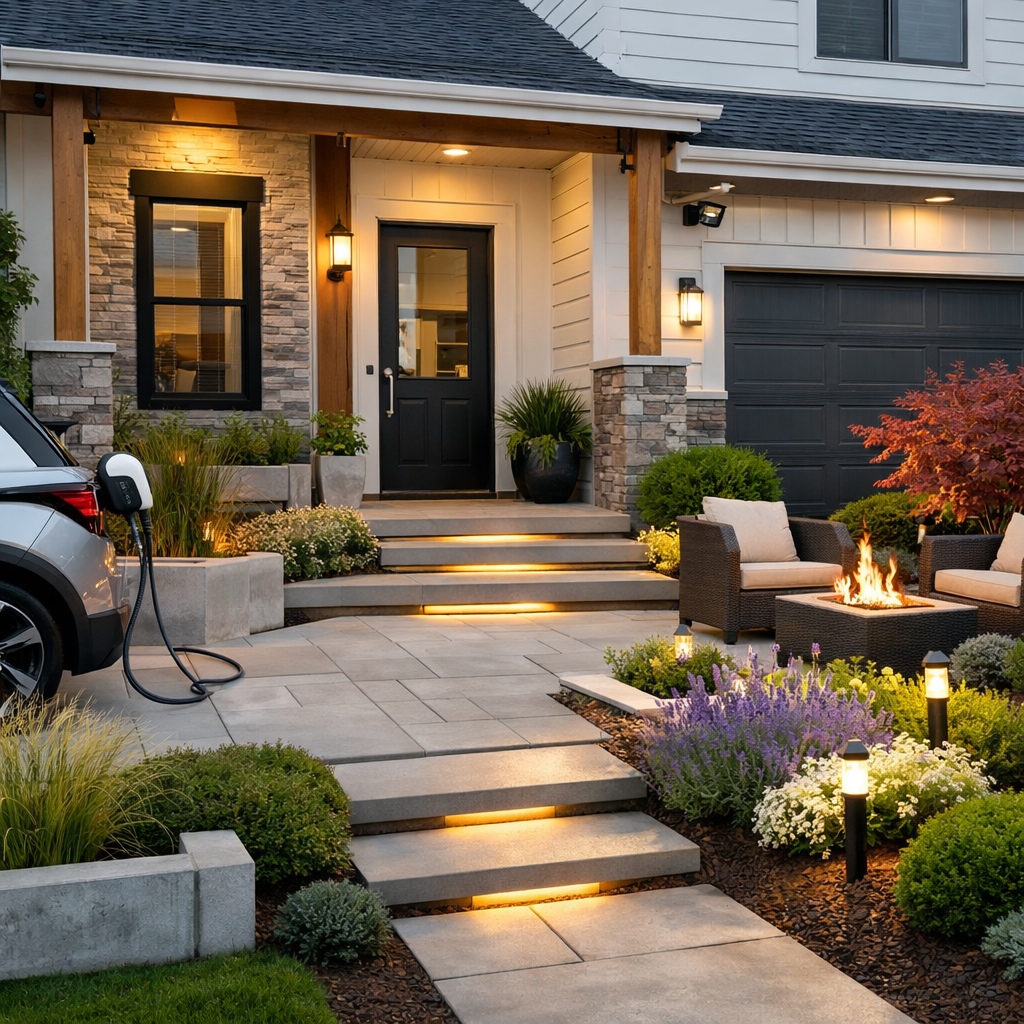
Curb appeal describes how attractive your home looks from the street. It’s the overall impression someone gets when they first see your property, including the landscaping, front entryway, driveway, exterior paint, and even your mailbox. Examples of curb appeal improvements include trimming hedges, laying fresh mulch, painting the front door, or installing new house numbers.
How it influences first impressions
First impressions are powerful in real estate. When buyers see a neat, well-maintained home exterior, they may feel more confident about the property’s condition and care. An inviting exterior can encourage buyers to book a showing and approach negotiations with a positive mindset. Alternatively, an unkempt yard or fading paint can give them doubts—sometimes before they ever cross the threshold.
Why Do Sellers Focus on Curb Appeal?
Common motivations for improvements
Sellers often invest in curb appeal because it’s one of the most visible—and controllable—aspects of property presentation. Most curb appeal projects require modest time and investment compared to major renovations inside. They can also be tackled quickly to make a strong impact in listing photos and first showings.
Buyer psychology and perception
How buyers feel about a home starts with how it looks from the outside. A tidy yard and welcoming front porch can send the message that the property is well cared for. Many buyers expect homes to look inviting both online and in person, and exterior features often set the tone for how they evaluate the rest of the house.
How Can Curb Appeal Impact Home Value?
Potential effects on buyer interest
Curb appeal plays a practical role in attracting more buyers to your listing. Well-maintained landscaping, fresh surfaces, and thoughtful lighting can help your home stand out. Increased interest often leads to more showings, which in turn can create stronger competition among buyers.
Link between appearance and perceived value
While curb appeal doesn’t physically add square footage, it may enhance how buyers perceive the home’s worth. A property that looks move-in ready from the outside can appear more valuable and less risky, even before buyers see what’s inside. This perception may influence how offers are made, but it’s just one of several factors buyers weigh when deciding how much a home is worth to them.
What Are the Pros of Improving Curb Appeal?
Greater buyer interest
Taking the time to update your home’s exterior can make a real difference in how many buyers take notice. Listings with strong curb appeal typically photograph better and stand out online, where most home searches begin. When buyers schedule in-person tours, a positive first impression often increases engagement.
Possible faster offers
Homes that look inviting from the curb may prompt buyers to make decisions more quickly. A clean, attractive exterior can help signal that the rest of the property will also be well cared for, reducing hesitation. This may translate to shorter time on the market, although this isn’t guaranteed—many other factors affect the pace of a sale.
Are There Downsides to Curb Appeal Projects?
Costs and time investment
While improving curb appeal can be budget-friendly, costs can add up if you opt for major landscaping, new siding, or high-end fixtures. It’s important to set a spending limit before you start, especially if you’re unsure of your return on investment. Some improvements—like painting, tree removal, or hardscaping—also take time to plan and complete.
Risk of over-improvement
Not all curb appeal projects lead to higher offers. Upgrades that far exceed the neighborhood norm may make your property stand out—but the extra investment may not be recouped in the final sale price. It’s wise to stay within local standards and focus on neutral, broadly appealing improvements rather than extensive custom work.
Does Curb Appeal Guarantee a Higher Sale Price?
Factors beyond appearance
Curb appeal can help your property attract more buyers and foster a positive first impression, but it’s not the only determinant of home value. Location, market inventory, property condition throughout, and comparable sales all play major roles in how buyers calculate their offers. While exterior improvements may help, they don’t guarantee a specific result.
Market conditions and local trends
The impact curb appeal has on home value varies with current market dynamics. In a seller’s market, strong curb appeal might help you stand out from other listings and attract more offers. In a slower market, exterior improvements may help—but price, marketing, and timing also matter. Local buyers’ preferences may change from year to year, so it’s smart to pay attention to what’s common and popular in your area for 2026.
How Can Sellers Decide What to Improve?
Assessing return on effort
Before investing in curb appeal, consider how much time, money, and energy you can realistically commit. Small projects—like planting flowers, cleaning up debris, or refreshing paint—often yield the best balance of impact and cost. If your home already looks well maintained, focus on touch-ups instead of complete makeovers. It often pays to consult with local real estate professionals for insight into what buyers value most in your market.
Neutral best practices for 2026
For sellers in 2026, neutral updates tend to appeal to the broadest range of buyers. Choose simple landscaping, keep paint colors classic, and declutter porches and yards. Ensure walkways and driveways are clear and safe. A tidy, welcoming exterior is usually a safe bet, allowing buyers to picture themselves in the space.