Key Takeaways
- Days on market reveals how buyers perceive your home—and pricing plays a major role in that time frame.
- Adjusting your pricing and strategy based on local trends can help you position your home for a smoother sale.
When you decide to sell your home, one number often stands out: days on market. This simple figure can shape how buyers see your property and may influence the offers you receive. Understanding what days on market means—and how pricing affects it—can help you make smarter choices throughout your home-selling journey.
What Are Days on Market?
Definition in real estate
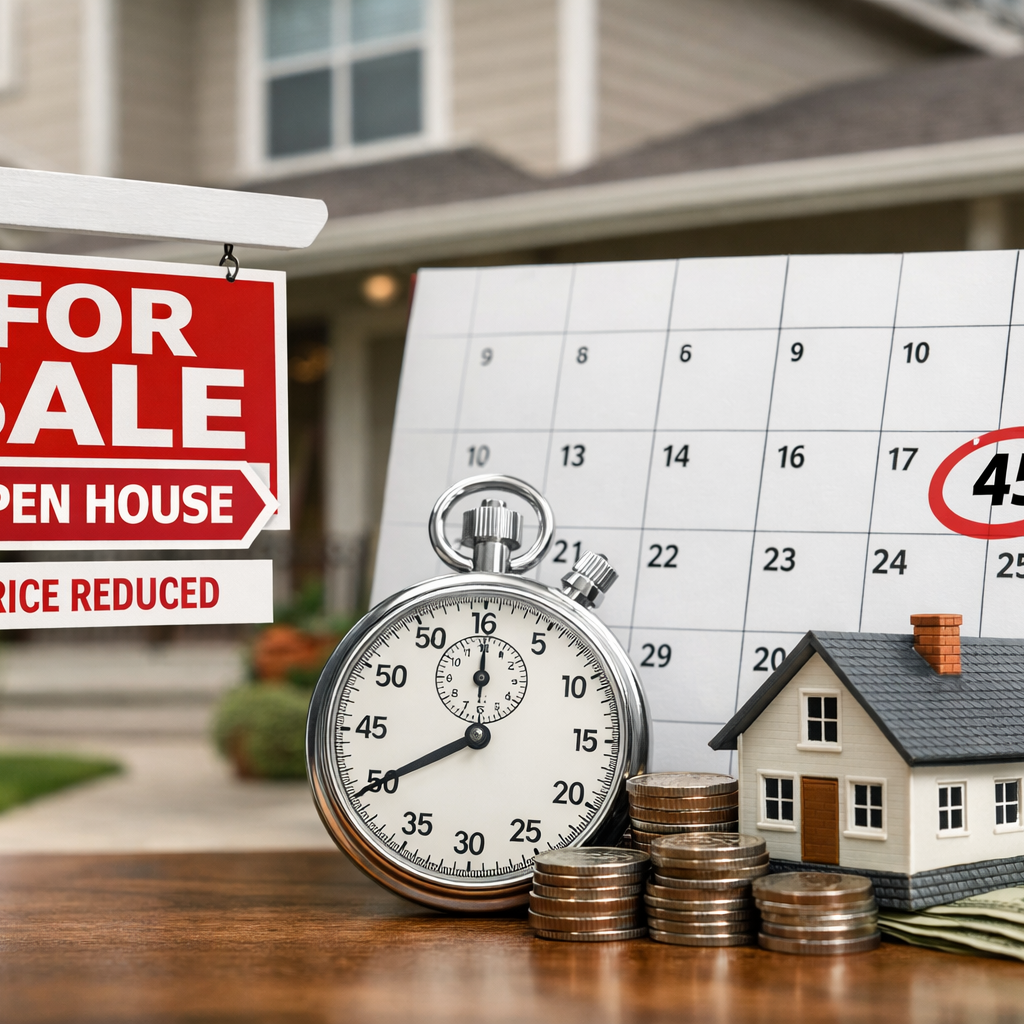
Days on market (often shortened to DOM) is the total number of days a home is listed for sale on the market before going under contract. It’s a key real estate metric that helps both sellers and buyers gauge activity and interest in a property. Typically, the clock starts ticking as soon as your home appears on a real estate marketplace and stops once you reach a signed purchase agreement.
How days on market is calculated
The calculation is straightforward: it counts each calendar day your property is listed as “active.” If a home is removed and re-listed, some local listing services may reset the count, but many keep a record of cumulative days to provide a more complete market snapshot. Tracking DOM gives you and potential buyers a quick reference for how your listing compares to others nearby.
Why Does Days on Market Matter?
Perceptions among buyers
Buyers often use days on market to size up a home’s desirability. A low number can show high demand or an attractive listing, while a higher number may raise questions. Some buyers might wonder if a home with a longer DOM needs repairs or is priced too high, which can affect their willingness to tour or make an offer.
Signals to potential buyers and agents
For buyers’ agents and other real estate professionals, DOM acts as a market signal. Homes that sell quickly may seem more desirable, while longer listings can suggest room for negotiation. Agents may use this information to help clients decide how aggressively to bid or whether to look for potential price reductions.
How Does Pricing Affect Days on Market?
Impact of overpricing
Your initial asking price is a powerful tool. Setting your price too high can lead to fewer buyer showings and lengthen your days on market. Overpricing often means your home won’t appear in searches for buyers with more modest budgets. As time passes, the market may start to perceive the listing as “stale,” making it harder to generate excitement or strong offers.
Competitive pricing strategies
A home that is priced to match similar properties in the area—or slightly below market value—tends to attract more interest early on. Competitive pricing can create a sense of urgency among buyers and may help spark more showings. Studying comparable homes, known as “comps,” and keeping your listing in line with local sales data is a reliable way to avoid extended days on market.
What Happens When a Home Sits Unsold?
Possible reasons for extended days
Several factors can increase your days on market beyond pricing alone. Homes that need repairs, have limited marketing exposure, or feature unusual floor plans can linger longer. Even seasonal slowdowns or changes in the local housing market can play a role.
Ways to address longer time on market
If your home remains unsold longer than expected, consider evaluating feedback from showings or revisiting your pricing strategy. Updates to curb appeal or staging may make an immediate difference. You can also review your marketing efforts—sometimes wider exposure or refreshed listing photos help reignite buyer interest.
How Can Homeowners Monitor Market Trends?
Tracking local statistics
Keeping an eye on how quickly homes in your area sell can offer useful context for your own listing. Many real estate websites and local news sources share average days on market data. Watching these numbers over a few months can reveal whether your experience matches the broader market or stands out.
Adjusting strategies based on data
If your listing’s days on market are out of step with nearby homes, that’s an opportunity to revisit your positioning. Review local sales data regularly, and don’t hesitate to update your approach. Sometimes a small adjustment in price, marketing, or presentation can bring your home more in line with local expectations.
Does Days on Market Affect Final Sale Price?
Common observations
While every sale is unique, homes that stay on the market significantly longer than average often end up accepting lower offers. Buyers may see a high DOM as a sign that the property is overpriced or has hidden issues, which can weaken your negotiating position. Conversely, homes that sell closer to their listing date may achieve sale prices nearer to the asking price, though this is not a guarantee.
Tips to preserve perceived value
To protect your home’s appeal, aim to price it accurately from the start and respond quickly to market feedback. Regularly update photos and listing details to keep your property in front of buyers. Addressing maintenance issues or making light improvements can also help maintain buyer interest throughout your marketing period.