Key Takeaways
- Curb appeal can boost buyer interest and improve first impressions, but results depend on market factors.
- Balanced, well-chosen improvements may help attract buyers without guaranteeing a higher sale price.
Making decisions about your home’s exterior presentation can feel overwhelming, especially if you’re preparing to sell in 2026. Understanding the influence of curb appeal on home value helps you prioritize projects with confidence. Let’s explore what curb appeal means, why it matters, and how you can navigate its pros and cons.
What Is Curb Appeal in Real Estate?
Definition and examples
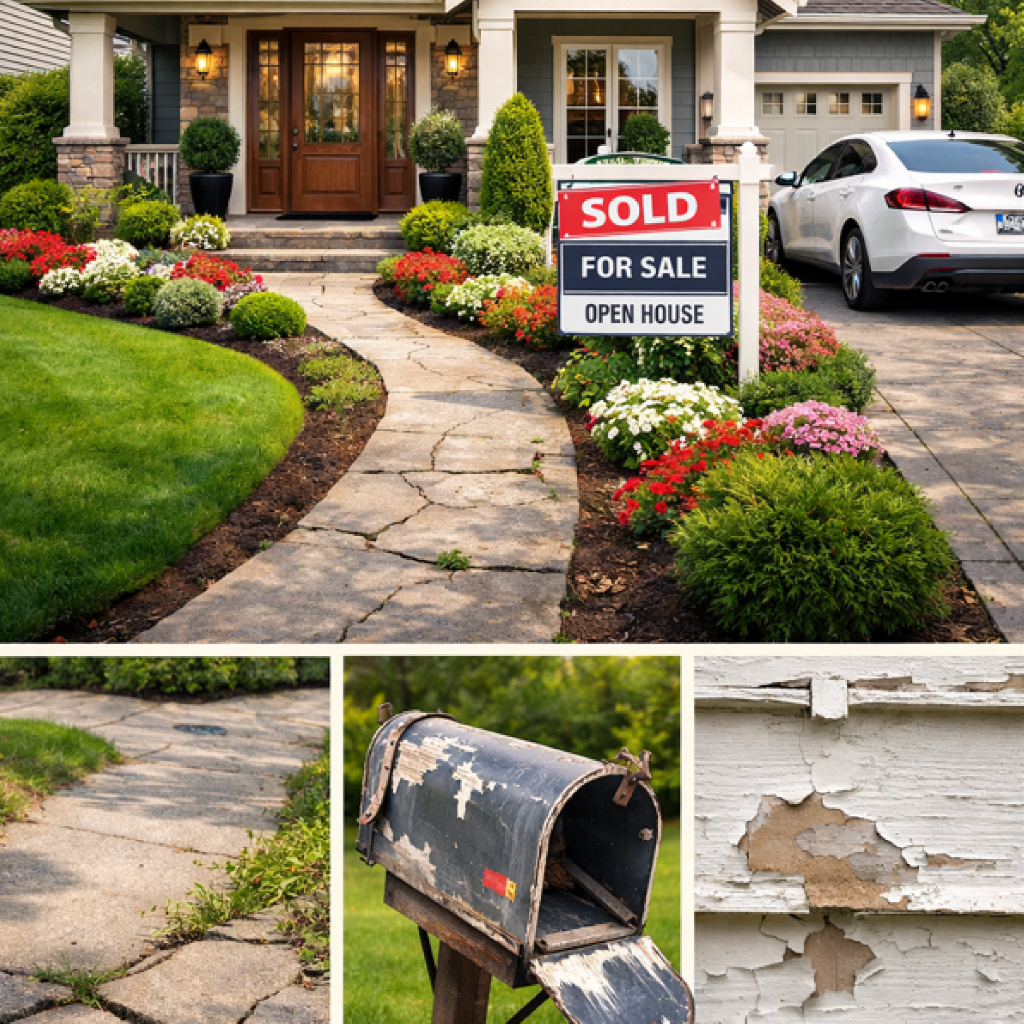
Curb appeal describes how attractive and inviting your property looks from the street. It covers everything a potential buyer notices before stepping through your front door—such as your lawn, landscaping, entryway, siding, and even mailbox. For example, a well-maintained flower bed, a freshly painted front door, tidy walkways, and neat hedges all contribute to curb appeal. Simple touches like new house numbers or an updated porch light can also make a difference.
How it influences first impressions
First impressions can shape how buyers feel about your home. Many purchasers decide within seconds whether they want to see more, based simply on exterior appearance. A neat, cared-for front yard and welcoming entry signal that the home has been looked after. This initial reaction can create positive expectations for the interior, setting the stage for a smoother showing.
Why Do Sellers Focus on Curb Appeal?
Common motivations for improvements
Sellers often invest in curb appeal to catch buyers’ attention and make their listing stand out. In a competitive market with multiple options, an eye-catching exterior can encourage more people to schedule a tour or attend an open house. Others may focus on curb appeal to create a sense of pride, help move the process along quickly, or simply to freshen up a dated look.
Buyer psychology and perception
Many buyers connect a tidy, appealing exterior with a well-maintained interior. This association isn’t just emotional—it’s rooted in buyer psychology. A cared-for landscape or new coat of paint can signal that the property has received ongoing maintenance, reducing concerns about hidden repairs. The result? Buyers may view your home more favorably compared to others in the same price range.
How Can Curb Appeal Impact Home Value?
Potential effects on buyer interest
Improved curb appeal can attract more buyers to view your listing. More interest means more exposure and potentially higher demand. When buyers feel positive about a home before entering, it could lead to competitive offers or a quicker sale. However, this effect isn’t universal—it varies depending on your local market, the quality of improvements, and buyer preferences at the time.
Link between appearance and perceived value
While curb appeal doesn’t guarantee a specific price, it does influence how buyers value your home. People are often willing to make stronger offers on properties that feel move-in ready and well cared for. Appraisers may also note the quality of the exterior when comparing your property to similar homes nearby. Even small updates, like refreshed landscaping or a safe and well-lit path, can help convey desirability.
What Are the Pros of Improving Curb Appeal?
Greater buyer interest
Homes with inviting exteriors tend to draw more attention from buyers searching online or driving by. This increased foot traffic can mean more opportunities to present your home’s best features and answer questions. A standout front yard or garden can also make your listing photos more attractive, boosting virtual engagement as well.
Possible faster offers
A home that looks well maintained and move-in ready may encourage buyers to act quickly, reducing time on the market. An inviting first impression can lessen hesitation and inspire confidence to submit an offer. While faster sales aren’t guaranteed, strong curb appeal can position your home more favorably against competing listings.
Are There Downsides to Curb Appeal Projects?
Costs and time investment
Not every improvement pays off equally. Landscaping, exterior painting, or hardscaping projects can become costly, and may require significant time to complete. It’s important to weigh the potential benefits against expenses and calculate whether the boost in buyer interest justifies the investment. Sellers working with limited budgets should be especially mindful of prioritizing changes that offer visible impact without overspending.
Risk of over-improvement
Sometimes, sellers invest more in curb appeal projects than the market supports. Custom landscaping or expensive exterior additions may not appeals to every buyer and could make it harder to recoup costs. There is a risk of “over-improving”—putting so much into exterior updates that the final sale price doesn’t reflect your total investment.
Does Curb Appeal Guarantee a Higher Sale Price?
Factors beyond appearance
Curb appeal can influence offers, but it is only one piece of the broader value puzzle. A home’s age, location, size, interior condition, and recent comparable sales in your neighborhood all factor into its market value. While good curb appeal creates positive momentum, it cannot erase other issues or offset local trends.
Market conditions and local trends
External market factors, such as supply, demand, and local buyer preferences in 2026, will affect your outcome. In a seller’s market, minor improvements may be enough. In a balanced or buyer’s market, more effort could be required to compete. Staying informed about what local buyers are prioritizing helps you avoid over- or under-investing in curb appeal.
How Can Sellers Decide What to Improve?
Assessing return on effort
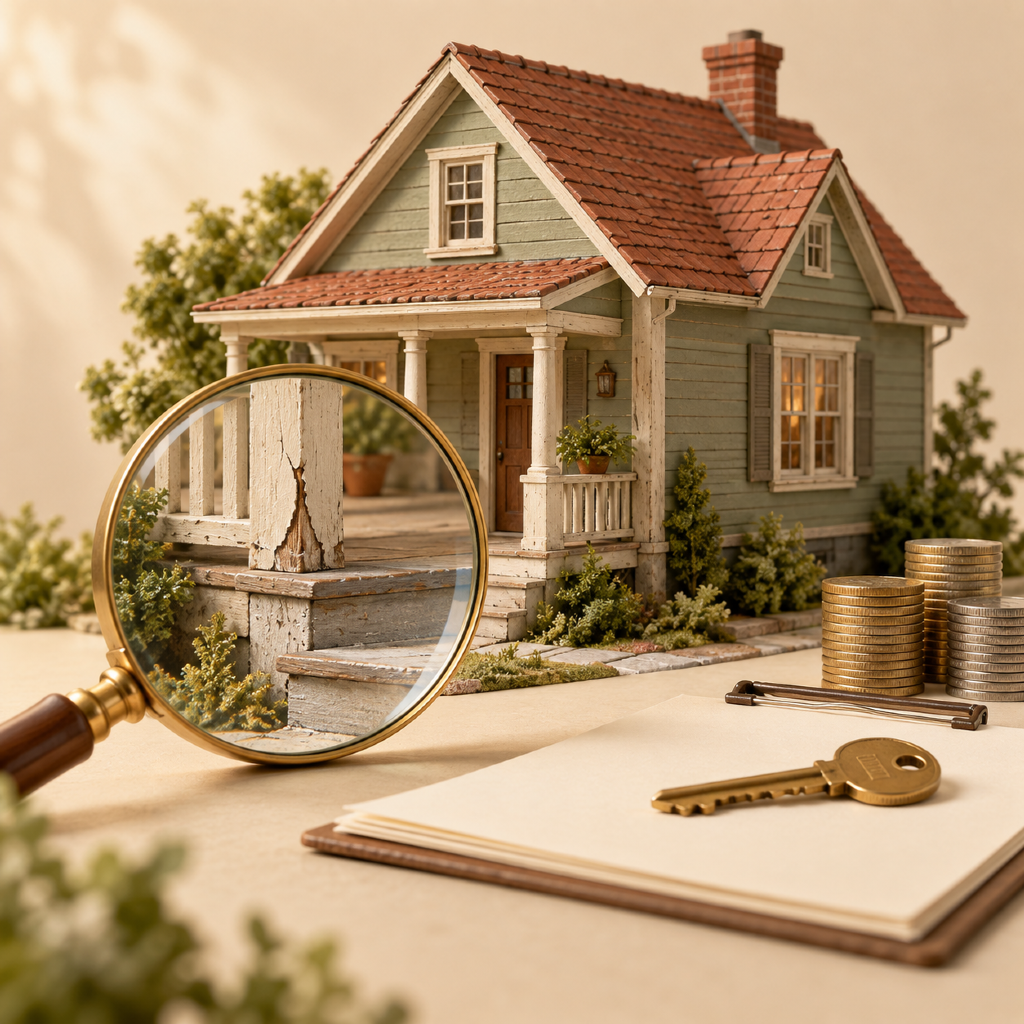
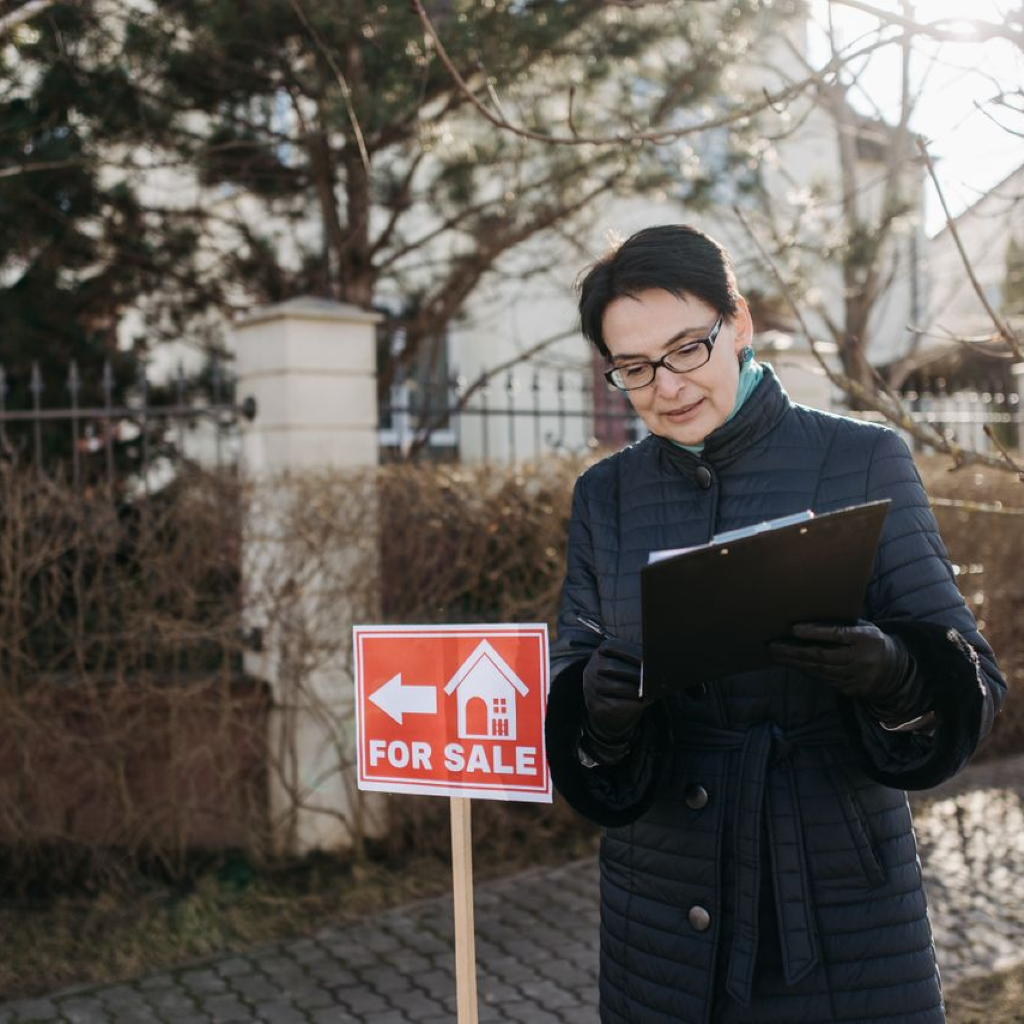
Start by evaluating your home’s exterior through a buyer’s eyes. Identify areas that need basic maintenance—like lawn care, minor repairs, or paint touch-ups—since these usually offer the strongest return. Focus on fixes that resolve visible wear and contribute to a tidy, welcoming presentation. If you aren’t sure where to start, consider asking neighbors or looking at comparable homes currently on the market for inspiration.
Neutral best practices for 2026
In 2026, trends may lean toward sustainability, low-maintenance landscaping, and energy-efficient lighting. Neutral paint colors and well-kept greenery continue to appeal to a wide buyer base. Avoid highly personalized projects or costly additions unless they address functional needs or fix problems. Simple changes, like pressure washing walkways or updating hardware, add value without excess cost or risk. Prioritize broad appeal and practicality to reach the most buyers.