Key Takeaways
- Professional home staging enhances buyer perception but does not guarantee faster sales or higher prices.
- Understanding the facts and costs helps homeowners make informed decisions when preparing to sell.
Preparing to sell a home is a major undertaking, and many homeowners wonder if professional home staging is worth the investment. Understanding what staging actually involves—as well as the common myths and real facts—can help you navigate your next steps with confidence and clarity.
What Is Professional Home Staging?
Staging vs. Decorating
It’s easy to confuse staging with decorating, but the two serve different purposes. Decorating reflects a homeowner’s individual style and personality. Staging, on the other hand, focuses on making a property broadly appealing to potential buyers. The goal of staging is to accentuate a property’s strengths while minimizing any distractions, helping buyers envision the space as their future home.
Types of Professional Staging Services
Professional staging services vary based on the property and the market. Some stagers offer consultations, providing advice for decluttering, rearranging furniture, and making cosmetic changes. Others offer full-service staging, which can include renting furniture, art, and decor to showcase empty or under-furnished spaces. There’s also partial staging, where select rooms or areas of focus—such as the living room or primary bedroom—are enhanced, while the rest of the home remains unchanged.
Why Do Sellers Consider Staging?
Goals of Home Staging
The primary objective of home staging is to shape buyer perception. A well-staged home typically photographs better, helps highlight key features, and often feels move-in ready to visitors. By creating a welcoming and neutral environment, staging aims to make properties stand out in listing photos and during showings, potentially increasing interest.
Typical Home Sale Scenarios
Sellers consider staging in a variety of situations: when listing vacant homes, preparing older properties with outdated decor, or in competitive markets where multiple similar homes are on offer. Staging can be useful when an owner has already moved out, leaving the property empty and less inviting. It is also considered for occupied homes to help declutter and depersonalize the space so buyers can imagine themselves living there.
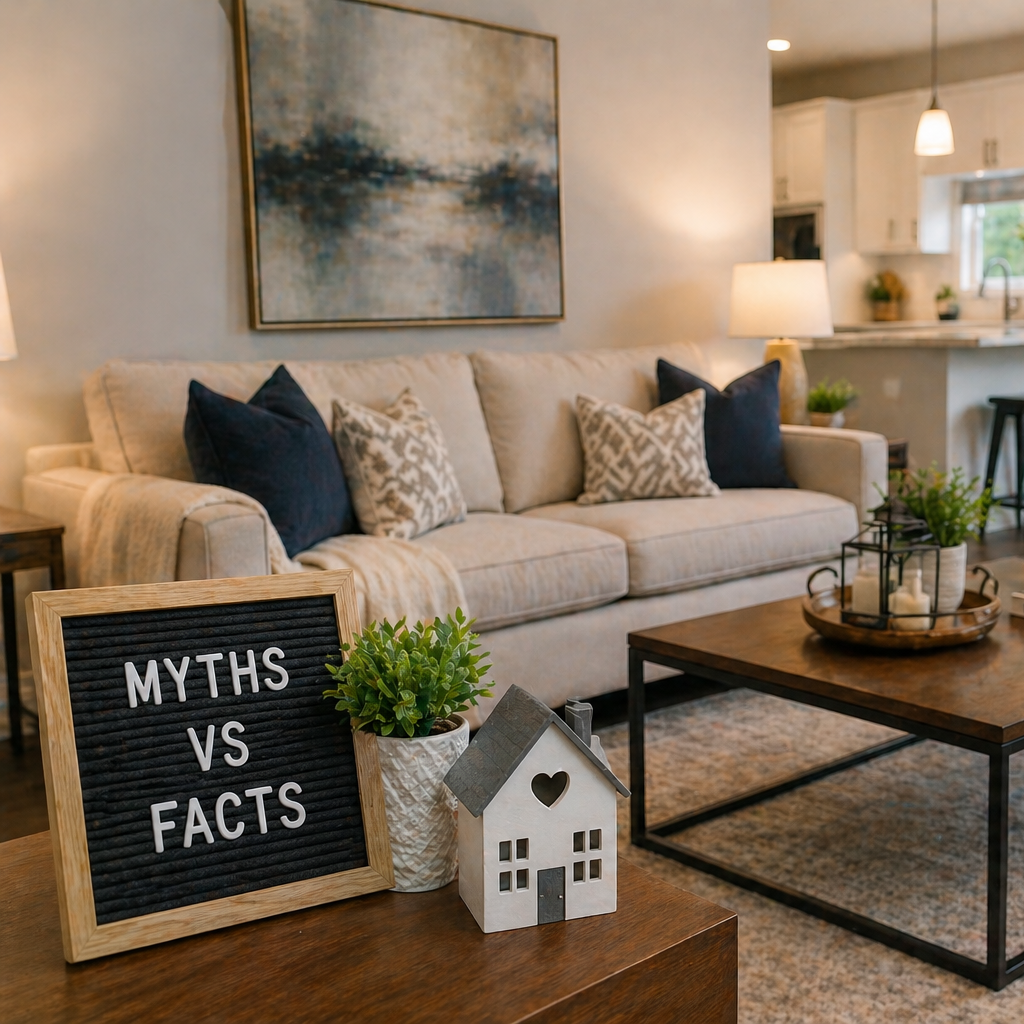
Common Myths About Staging
Myth: Staging Guarantees a Fast Sale
One widespread belief is that staging will guarantee a quick sale. While staging can make a home more visually appealing and may boost interest, there are no guarantees. Market conditions, location, price, and timing all play significant roles in how fast a home sells. It’s essential for sellers to remain realistic and not rely solely on staging as a magic solution.
Myth: Staging Always Increases Home Value
Another common misconception is that staging will always lead to a higher sale price. While some studies suggest that well-presented homes may receive more offers or slightly higher bids, staging does not change the underlying market value of a property. Pricing strategy, neighborhood trends, and broader economic factors remain key determinants of sale price.
What Are the Real Facts?
How Staging Influences Buyer Perception
Staged homes tend to stand out in listing photos, which is increasingly important in today’s digital-first real estate market. Buyers typically form an impression within seconds, and staging can highlight positive features like light, space, and flow. This improved perception can lead to more showings and, in some cases, a greater likelihood that buyers will remember and consider the property among their top choices.
What Recent Studies and Data Show
Industry data from recent years demonstrates a correlation between staging and increased buyer interest, although the impact varies by market. According to surveys published by reputable real estate organizations, many agents report that staged homes generally receive more positive feedback. However, definitive links between staging and higher final sale prices are less certain, reinforcing the importance of not relying on staging alone for desired financial outcomes.
How Much Does Professional Staging Cost?
Typical Pricing Structures
Pricing for home staging hinges on the specific services provided. A simple consultation may range from a modest flat fee to an hourly rate, depending on local rates and the home’s size. Full-service staging—especially in vacant homes requiring rented furnishings—tends to be more expensive, with initial setup fees plus monthly furniture rental charges. Partial staging and consultation-only services are generally lower in cost.
Factors That Affect Staging Costs
A variety of factors influence the overall cost for professional staging. These include the square footage of the home, the number of rooms staged, the length of time furnishings will remain, and the complexity of the project. Condition of the property, local demand for staging services, and the level of customization also play a role. It’s wise to request clear, written proposals so you understand all associated expenses.
Do You Need a Staging Specialist?
DIY Versus Professional Advice
Some homeowners choose to stage their own homes using decluttering, cleaning, and rearranging existing furniture. While this approach can be effective in certain circumstances, professional stagers bring experience, an objective eye, and access to high-quality decor that enhances spaces. Do-it-yourself staging may suit owners with a good design sense, but specialized expertise can provide a more polished result, especially in competitive markets.
When to Seek Expert Guidance
You might consider hiring a professional stager if you’re unsure about your home’s presentation, if you’re facing stiff competition, or if your property has unique features needing emphasis. A staging specialist can offer tailored recommendations to highlight the strengths of your home while addressing potential buyer concerns, all while staying within your intended budget.