
Key Takeaways
-
Proper lighting placement in your home directly influences buyer perception and can dramatically impact the speed and success of your sale.
-
Strategic lighting design highlights your home’s strengths, minimizes flaws, and creates an inviting atmosphere that encourages stronger offers.
Why Lighting Is More Than Just Illumination
When you prepare your home for sale, you may focus on staging, paint color, or upgrades. Yet one factor often overlooked is lighting placement. Lighting is not only about brightness; it sets the mood, defines spaces, and creates an emotional response in buyers. The way each room is lit can either highlight its best features or unintentionally expose weaknesses.
In 2025, buyers expect homes to present well both in-person and online. Since most first impressions start with listing photos, poor lighting can immediately reduce interest. On the other hand, well-placed lighting makes rooms look more spacious, warmer, and more welcoming.
The Psychology Behind Lighting Placement
Lighting influences mood and perception. Buyers subconsciously react to how a room feels when they enter. Bright, even light signals cleanliness and openness, while poor or uneven light suggests neglect. Strategic placement ensures that:
-
Shadows do not make spaces look smaller than they are.
-
Key architectural features stand out.
-
Rooms appear balanced and functional.
Because buyers often form an impression within 15 to 30 seconds of entering a room, lighting placement has an immediate and lasting effect.
Natural Light Versus Artificial Light
Natural light is always appealing. Homes that receive plenty of daylight often feel more inviting. However, not every space benefits from large windows or open layouts. That is where artificial lighting placement becomes crucial.
-
Natural light works best when unobstructed by heavy curtains or dark blinds.
-
Artificial lighting fills gaps, especially in basements, hallways, or windowless bathrooms.
-
A balanced mix ensures a consistent look throughout the day, including evenings when many showings occur.
The Role of Ambient, Task, and Accent Lighting
Understanding lighting types helps you create the right effect in every room:
-
Ambient Lighting: Provides overall illumination, setting the foundation for the room’s brightness.
-
Task Lighting: Focuses on specific activities, such as reading in the living room or cooking in the kitchen.
-
Accent Lighting: Highlights architectural elements, artwork, or unique finishes that you want buyers to notice.
Placing these layers strategically creates dimension and avoids the flat look that makes spaces feel less engaging.
Room-by-Room Impact of Lighting Placement
Living Room
The living room is a primary gathering area. Overhead fixtures paired with floor lamps or sconces create balance. Placement should avoid casting harsh shadows while ensuring focal points like fireplaces or shelving are highlighted.
Kitchen
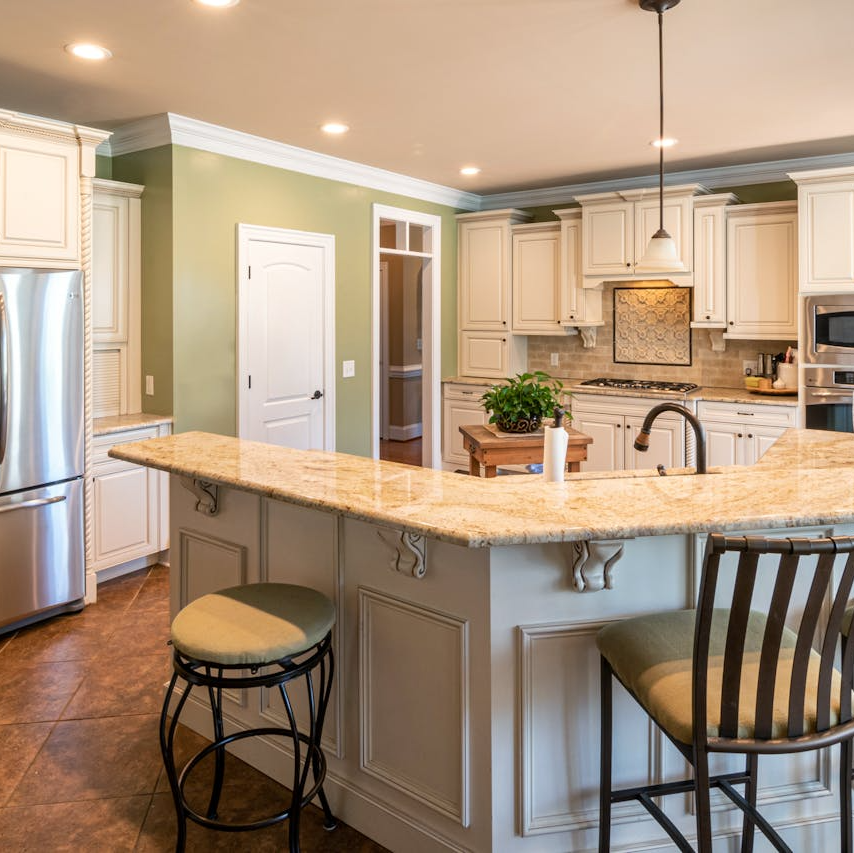
Buyers spend time examining kitchen details. Task lighting above counters and islands ensures surfaces are well lit. Under-cabinet lighting eliminates dark corners and emphasizes clean lines.
Dining Room
A well-placed chandelier or pendant creates a central focal point. Layered wall lighting prevents overly dramatic contrasts and keeps the room inviting.
Bedrooms
Soft, evenly distributed lighting promotes relaxation. Bedside lighting should be positioned to avoid cluttering surfaces while giving buyers a sense of comfort.
Bathrooms
Bright, shadow-free lighting around mirrors is essential. Overhead lighting alone creates unflattering shadows that make bathrooms feel smaller.
Hallways and Entryways
Buyers’ first physical impression comes at the entry. Balanced lighting here sets the tone. Hallways should feel bright enough to connect spaces without appearing sterile.
Outdoor Areas
Exterior lighting is often forgotten, but buyers notice. Well-placed porch, pathway, and landscape lights enhance curb appeal and suggest security.
Lighting Placement and Photography
Because most buyers see your home online first, photography is critical. Poorly lit spaces can appear smaller, less welcoming, or even outdated. Correct placement ensures listing photos show depth, natural tones, and attractive highlights. For this reason, real estate photographers often adjust or add lighting temporarily during shoots.
Cost and Time Considerations
Improving lighting placement does not require extensive remodeling. Simple steps such as repositioning lamps, adding inexpensive fixtures, or updating bulb brightness can often be completed in just a few hours. For larger updates, such as adding recessed lights, you may need one to two days of work, but the payoff in buyer interest often outweighs the effort.
Costs vary depending on whether you hire a professional or make small DIY updates. On average, minor changes can be accomplished with a modest budget, while larger electrical upgrades may require a higher investment. Still, compared to major renovations, lighting adjustments typically save both time and money.
Common Lighting Mistakes to Avoid
-
Relying solely on overhead lights without layering.
-
Using bulbs that are too dim or too harsh.
-
Ignoring corners and creating shadow pockets.
-
Overlooking how lighting impacts wall colors in photos and in person.
Avoiding these mistakes ensures you do not unintentionally weaken buyer interest.
How Lighting Placement Shapes Buyer Emotions
A well-lit room communicates:
-
Warmth: Buyers imagine themselves feeling comfortable.
-
Space: Even smaller rooms look larger when shadows are minimized.
-
Cleanliness: Brightness suggests freshness and maintenance.
-
Highlighting: Features such as wood floors, crown molding, or countertops receive the attention they deserve.
In contrast, poor lighting creates doubt. Buyers may question whether flaws are being hidden, or they may simply feel less drawn to the home overall.
Timelines for Preparing Lighting Before a Sale
If you are planning to list your home:
-
4 to 6 weeks before listing: Evaluate every room and note where lighting feels uneven.
-
3 weeks before listing: Purchase additional fixtures or bulbs, and plan placement changes.
-
2 weeks before listing: Hire an electrician for larger updates if needed.
-
1 week before listing: Stage with lighting in mind, ensuring each room feels balanced and inviting.
These steps ensure your home is fully prepared by the time photos are taken and showings begin.
Why Lighting Placement Outshines Other Quick Fixes
While upgrades like painting or replacing fixtures take time and money, adjusting lighting placement is often faster and less disruptive. Unlike renovations that require significant planning, lighting changes can typically be made in under a week. Because lighting impacts every room, the overall effect on buyer perception can be more powerful than many isolated updates.
Bringing Buyer Focus Back to What Matters
Strategically placed lighting makes buyers notice the strengths of your home rather than flaws. It helps them envision themselves living comfortably in the space. Since buyers often make emotional decisions first and rational decisions second, lighting placement works as a subtle yet powerful influence.
Highlighting Your Home’s Full Potential
The way lighting is positioned in your home directly impacts how buyers connect with it. Preparing your home for sale involves more than cleaning or repairs; it is about shaping an atmosphere that inspires interest. When every room feels inviting, buyers are more likely to stay longer during showings, return for a second look, and place stronger offers. To fully optimize this, get in touch with a licensed agent listed on this website who can provide expert advice tailored to your home.