
Key Takeaways
- Interviewing multiple agents and asking targeted questions increases your chances of a satisfying home sale experience.
- A good agent brings market expertise, transparency, and clear communication, making the transaction smoother and less stressful.
Choosing a real estate agent is one of the most significant decisions you’ll make when selling or buying a home. With so many options, finding the right fit can feel overwhelming. This guide offers straightforward steps, questions, and tips to help you confidently choose a professional who will meet your needs.
What Does a Real Estate Agent Do?
Agent roles in home sales
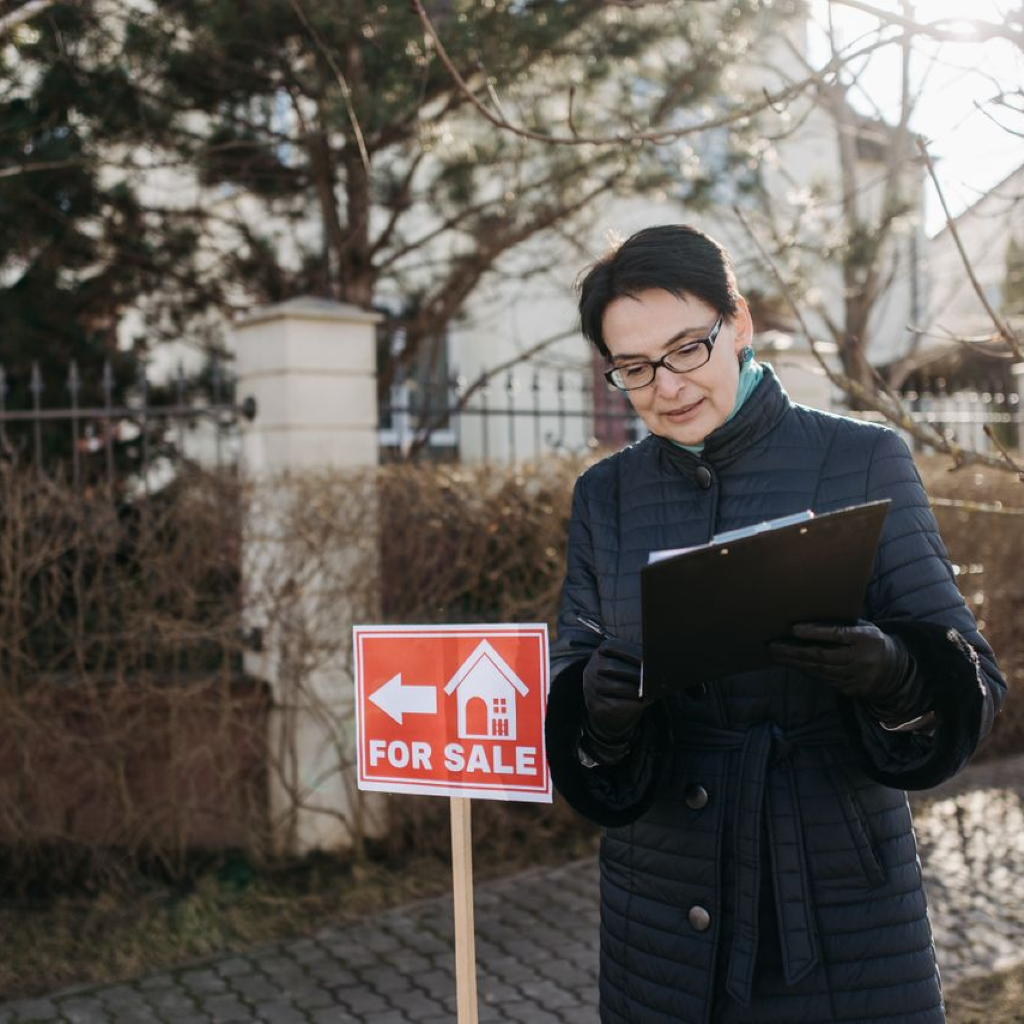
A real estate agent acts as your representative throughout the home sale or purchase process. Their core roles include providing market insights, suggesting pricing strategies, preparing your home for listing, marketing the property, hosting showings, and facilitating negotiations. For buyers, agents help identify suitable homes, organize viewings, and submit offers.
Responsibilities during the transaction
During a transaction, your agent manages documentation, coordinates with lenders and inspectors, and keeps you informed about major milestones. They also ensure that deadlines are met and constantly update you about new developments, allowing you to focus on other priorities without losing track of the process.
Why Is Choosing the Right Agent Important?
Risks of a poor agent fit
Selecting the wrong agent can lead to delays, missed opportunities, or communication breakdowns. You may experience improper pricing, limited exposure to buyers, or added stress due to unclear processes. These factors can ultimately affect your confidence and potentially the outcome of your sale.
Benefits of a knowledgeable agent
Conversely, a knowledgeable agent will bring local expertise, guide you through paperwork, and help you navigate market conditions. They can anticipate potential issues, offer timely advice, and negotiate effectively on your behalf, making the transaction more streamlined and less overwhelming.
How Do You Find Agents Near You?
Online search tips
To start your search, use reputable real estate listing websites and online directories. Look for agents with detailed profiles, recent sales, and positive client reviews. Pay attention to certifications or awards that reflect market experience and commitment to professional standards.
Asking for local recommendations
Ask friends, family, or colleagues who have recently bought or sold a home for their recommendations. Neighborhood social media groups can also offer insights into agents with proven track records in your area. Cross-check any referrals with online reviews for a more balanced picture of the agent’s reputation.
What Questions Should You Ask Agents?
Experience with similar homes
Ask, “Have you sold homes similar to mine in this area?” Agents with relevant experience understand the unique selling points of your property type—whether it’s a condo, historic house, or new construction—and know what local buyers want.
Approach to pricing and marketing
Inquire about their strategy for pricing your home. A good agent will support their recommendation with data from comparable properties and explain how they plan to market your home—using online listings, social media, professional photography, or virtual tours.
Availability and communication style
Discuss how frequently the agent will update you and their preferred communication method. Ask, “Will I be dealing directly with you or your team?” and “How quickly do you respond to questions?” A responsive agent will help you feel supported throughout the process.
Understanding agent commissions
Avoid surprises by asking about the commission structure up front. Request clarity on what is included in the fee and whether there are any additional marketing or administrative costs. This helps you compare agents transparently and budget effectively for the sale.
What Are Signs of a Good Real Estate Agent?
Professional credentials to look for
Professional certifications—such as Realtor® status, broker’s licenses, or special training in residential sales—indicate a commitment to ethical standards and continuous learning. You can verify an agent’s credentials through professional associations or local licensing boards, providing extra peace of mind.
Red flags to avoid
Be cautious if an agent avoids answering questions, provides vague information, pressures you to make quick decisions, or lacks knowledge of your area. Inconsistent communication, unclear contract terms, or a lack of recent experience with similar homes are also warning signs that you may want to keep searching.
How Can You Compare Potential Agents?
Interviewing multiple agents
Set up interviews with at least two or three agents. Use your list of key questions to evaluate their knowledge, preparation, and listening skills. Comparing responses can clarify which agent best matches your communication preferences and has a deeper understanding of your needs.
Evaluating reviews and references
Request recent client references and take time to contact them. Online reviews can highlight consistent strengths or repeating concerns, but direct conversations offer personal insights about an agent’s reliability, negotiation skills, and support throughout the transaction.
How Does Agent Commission Work?
Standard commission structures
Most residential transactions involve a commission paid by the seller, often expressed as a percentage of the final sale price. This commission is typically split between the listing agent and the buyer’s agent. It’s important to remember that commission amounts can vary by market and agent.
Negotiation considerations
In some cases, agents may negotiate their fee. Discussing commission structure in advance—before signing a listing agreement—will enable you to understand your options and any included services. Always review the terms carefully to ensure there are no surprises at closing.