Key Takeaways
- Coordinating and preparing both transactions is crucial to a successful back-to-back closing.
- Understanding and planning for risks helps you avoid costly delays and ensures a smoother process.
Many repeat home buyers consider back-to-back closings, but many underestimate the coordination required—here’s what every homeowner should know. Managing both a sale and a purchase at the same time can provide major advantages but also add layers of complexity to your real estate journey.
What Are Back-to-Back Closings?
Definition of a back-to-back closing
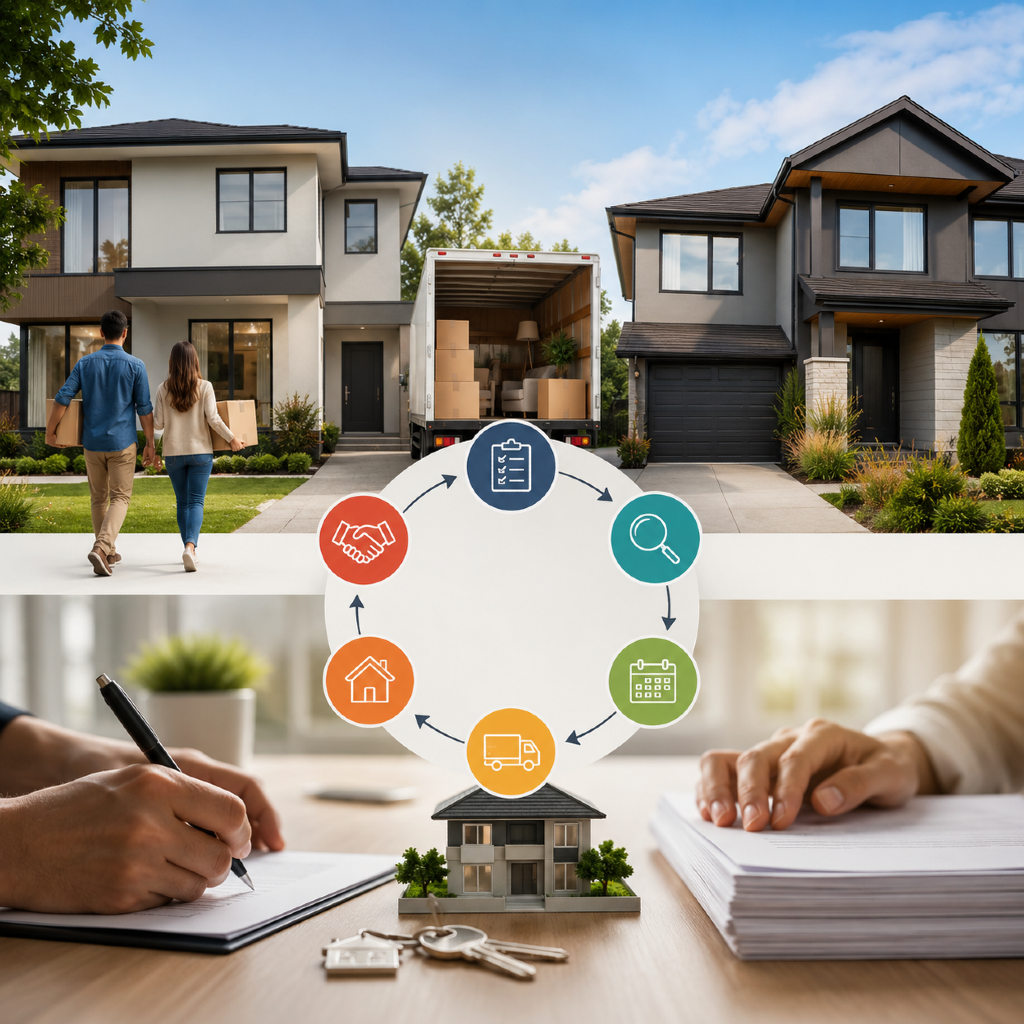
A back-to-back closing in real estate is when you schedule the sale of your current home and the purchase of your new home to happen on the same day or within a day or two of each other. This sequence ensures you can move directly from one property to the next, minimizing time spent between homes.
Common reasons for choosing this approach
Many homeowners choose back-to-back closings to avoid double moves, reduce the need for temporary housing, and make financial transitions easier. It can be especially appealing if you want to avoid carrying two mortgages or if your ability to buy hinges on selling your current home first.
Why Do Buyers and Sellers Use Them?
Moving logistics between two homes
If moving directly from your old home to your new one is important, this approach allows for a seamless transition. You can schedule your closing appointments and move-in dates close together, so you don’t have to store belongings or relocate multiple times.
Managing finances when selling then buying
Back-to-back closings help you use the proceeds from your sale toward your new purchase, lowering financial stress and limiting overlap between two mortgages. This arrangement is common for move-up buyers who rely on equity from their current home for the next down payment.
Step 1: Preparing Both Transactions
Coordinating sale and purchase dates
Your first priority is to align both the sale of your current home and the purchase of your new one. This often involves negotiation and flexibility, as timelines must suit both your buyer and the seller of your next home. Begin this process early, ideally before accepting or making any offers, to avoid unnecessary surprises.
Communicating with all parties
Strong communication is just as critical as timing. Talk openly with your buyer, the seller, real estate professionals, your lender, and title or escrow officers. Everyone needs to understand the timing and dependencies, so any unexpected changes can be identified and resolved quickly.
Step 2: Securing Your Financing
Home sale proceeds and interim funding
Your lender needs to know whether you plan to use proceeds from your home sale for your next down payment. Some homeowners may need temporary or bridge funding to cover the gap between selling and buying. Speak with your lender about your options and what documentation will be required to demonstrate the sale of your current property.
Contingencies and bridging gaps
In back-to-back closings, contingencies are often included to protect you. For example, you may make your purchase contingent upon the successful closing of your sale. This can help mitigate risk, but it also adds layers to the negotiation process and can impact the reliability of your offers.
Step 3: Navigating the Closing Process
Scheduling closing appointments
Coordinate closing dates and appointment times for both properties. Ideally, you’ll close on the sale of your own home in the morning and on your next home later that day. This careful scheduling allows you to access the funds from your sale before finalizing your next purchase.
Document review and signing
Before the final closing appointments, thoroughly review all your documents. These will include deeds, loan agreements, disclosures, and settlement statements for both transactions. If possible, review these with your lender or a real estate attorney to ensure you understand each document and your obligations.
What Can Delay a Back-to-Back Closing?
Financing and appraisal challenges
Financing delays often arise if your lender needs additional verification or if there’s a holdup in the sales proceeds transfer. Appraisal values coming in lower than expected can also throw off timelines, particularly if renegotiations are required.
Inspection and title setbacks
Unexpected findings during home inspections—such as needed repairs—can delay either transaction. Title issues, such as liens or conflicting ownership records, also need to be resolved before both closings can happen.
What Are the Main Risks Involved?
Potential for one deal to fall through
Because both transactions are dependent on each other, if one deal falls apart, the second may be jeopardized. Clear contingencies and responsive communication are critical to limit the impact if this occurs.
Temporary housing or storage needs
If delays do occur, you may need to arrange for temporary housing or storage for your belongings. Planning ahead for this possibility can reduce stress if the timeline shifts unexpectedly.
How Long Do Back-to-Back Closings Take?
Typical timelines for each step
The typical timeline for a back-to-back closing aligns with standard home sale and purchase timelines, often taking 30 to 60 days from contract acceptance to closing. The extra synchronization required can add a few days to coordinate both transactions.
Factors that influence the schedule
Several factors may extend or shorten your timeline, including local market conditions, lender processing speed, number of parties involved, and the complexity of each transaction. Staying organized and responsive will help keep your closing on track.
Tips to Make the Process Smoother
Organization and early communication
Start early, keep detailed records, and make sure each party is kept informed at every step. Timely paperwork and proactive updates reduce last-minute issues.
Contingency planning
Prepare for potential delays by having backup plans for moving dates, storage, or temporary accommodations. Setting realistic expectations and knowing your options can minimize disruption to your plans.