Key Takeaways
- Selling a home while living in it is common and offers logistical benefits, but it requires careful planning for showings and flexibility with buyers.
- Staying organized, maintaining cleanliness, and managing schedules help reduce stress and improve your selling experience.
Selling your home while continuing to live there is a practical reality for many homeowners. With the right approach, you can maintain your daily routine and meet buyers’ expectations. In this guide, you’ll learn the essential steps, challenges, and expert-backed tips for a smoother home sale process.
What Does Selling While Living Mean?
Definition and key concepts
Selling a home while living in it means listing your property on the market and welcoming potential buyers—through showings and open houses—without moving out first. In this scenario, you continue your daily life amid preparations, marketing, and negotiations. Many homes on the market are occupied by owners who manage the sale alongside their regular routines.
Typical situations and reasons
Most sellers choose this path because they need the sale proceeds to purchase their next home or have nowhere to move temporarily. Others sell while living in their home to avoid extra expenses, such as rent for an interim place. It’s also a practical option for families, those with school-aged children, or anyone wanting to avoid multiple moves.
Can You Sell Without Moving Out First?
How the process works
You can absolutely sell your home without vacating it. The process involves working with your real estate agent or handling the sale yourself by listing your property while you still live there. Buyers are scheduled for showings, typically with advance notice, which gives you time to tidy up or leave at showtime. The transaction usually completes only once the sale closes—at which point you’ll move out according to the negotiated timeline.
When it makes sense for homeowners
Selling while living in your home is most practical if moving out in advance is not possible—whether for financial, logistical, or personal reasons. If you prefer to avoid carrying two housing payments, or want to minimize disruption for your household, staying put until closing may suit you best.
Pros of Selling While Living In Your Home
Financial and logistical benefits
Staying in your home during the sale helps you save on temporary housing costs, utility bills, and moving expenses that come with relocating twice. It’s efficient, as you only need to coordinate one move after you close. Plus, living in your home keeps it occupied and maintained, deterring vacancy-related issues.
Maintaining daily routines
Living at home means your daily life continues mostly as usual. Kids remain in their schools, commutes stay familiar, and routines are minimally interrupted. You can better monitor your property and respond quickly to any buyer or agent questions that arise during the sale process.
Cons and Challenges to Expect
Privacy and showings
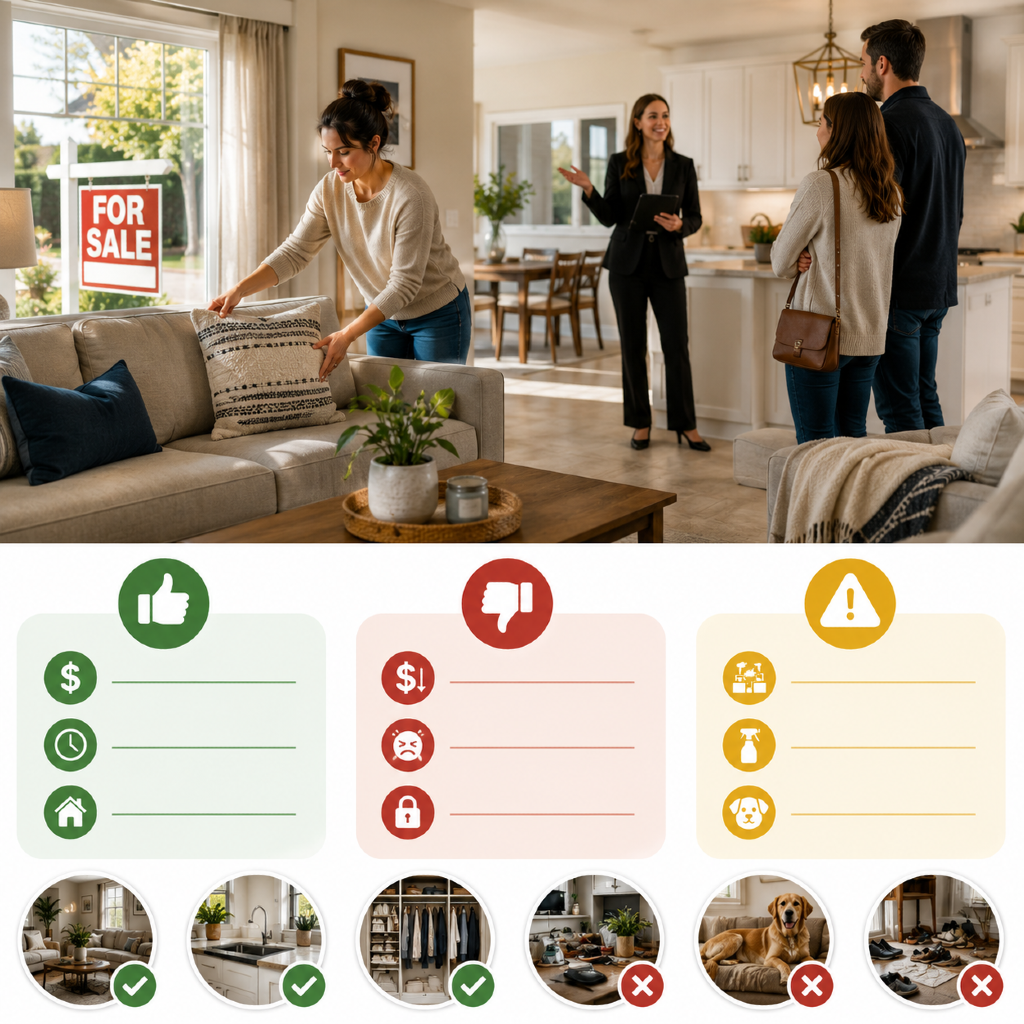
One of the toughest parts of selling a home while living in it is giving up some privacy. You’ll need to allow potential buyers to tour your home—sometimes with only a few hours’ notice. This means planning for interruptions and stepping out when necessary, which can feel intrusive.
Keeping the home presentable
Maintaining a clean, clutter-free space on a daily basis is challenging—especially with children or pets. Show-ready condition often means extra cleaning, decluttering, and making beds each morning, as buyers hope to imagine themselves in a tidy, welcoming environment.
How Can You Prepare for Showings?
Cleaning and decluttering tips
Start with a thorough deep clean and declutter every room. Store away non-essential items, personal photos, and valuables to create a neutral, open atmosphere. Maintain surfaces, floors, and bathrooms regularly, and establish a checklist to quickly reset common areas before showings.
Managing pets and schedules
If you have pets, arrange for them to be out of the house during showings—pet odors or unexpected encounters can distract buyers. Use a shared family calendar to track showing times and arrange for short absences. Preparing a “go bag” with essentials for everyone in the household can make quick exits easier.
Common Mistakes Homeowners Make
Overlooking repairs and upkeep
It’s easy to focus on packing and future plans, but don’t overlook minor repairs, curb appeal, or regular upkeep. Deferred maintenance can turn off buyers. Address small issues—leaky faucets, chipped paint, loose door handles—before listing your home to help make a positive impression.
Not being flexible with buyers
Rigidity with showing times, access, or scheduling inspections may deter motivated buyers. Remaining flexible—within reason—allows more people to see your home, increasing your chances of receiving offers. Prompt responses to showing requests can go a long way in today’s market.
Is Selling While Living Right for You?
Factors to consider
Consider your personal financial situation, work or school schedules, and your household’s tolerance for disruption. If you have difficulty keeping things tidy or hosting frequent guests causes stress, weigh whether selling while living in fits your lifestyle. Speak with a real estate professional to assess local market conditions and available timelines.
Alternatives to consider
Some homeowners opt to move out before listing, renting a temporary place or staying with family to simplify showings. Others might delay listing until their next move is certain, or coordinate a back-to-back closing that aligns move-out with sale completion. Each choice involves trade-offs related to cost, convenience, and peace of mind.
Selling your home while living in it is certainly possible and, for many, advantageous. By staying organized, keeping your property presentable, and remaining flexible, you can navigate this transition with greater confidence and success.