Key Takeaways:
- Selling a home with unique architecture offers a chance to attract buyers seeking distinctive and character-rich properties.
- Proper preparation, strategic pricing, targeted marketing, and leveraging the home’s unique features can help turn a profit.
How to Sell a Home with Unique Architecture: It Could Turn a Profit
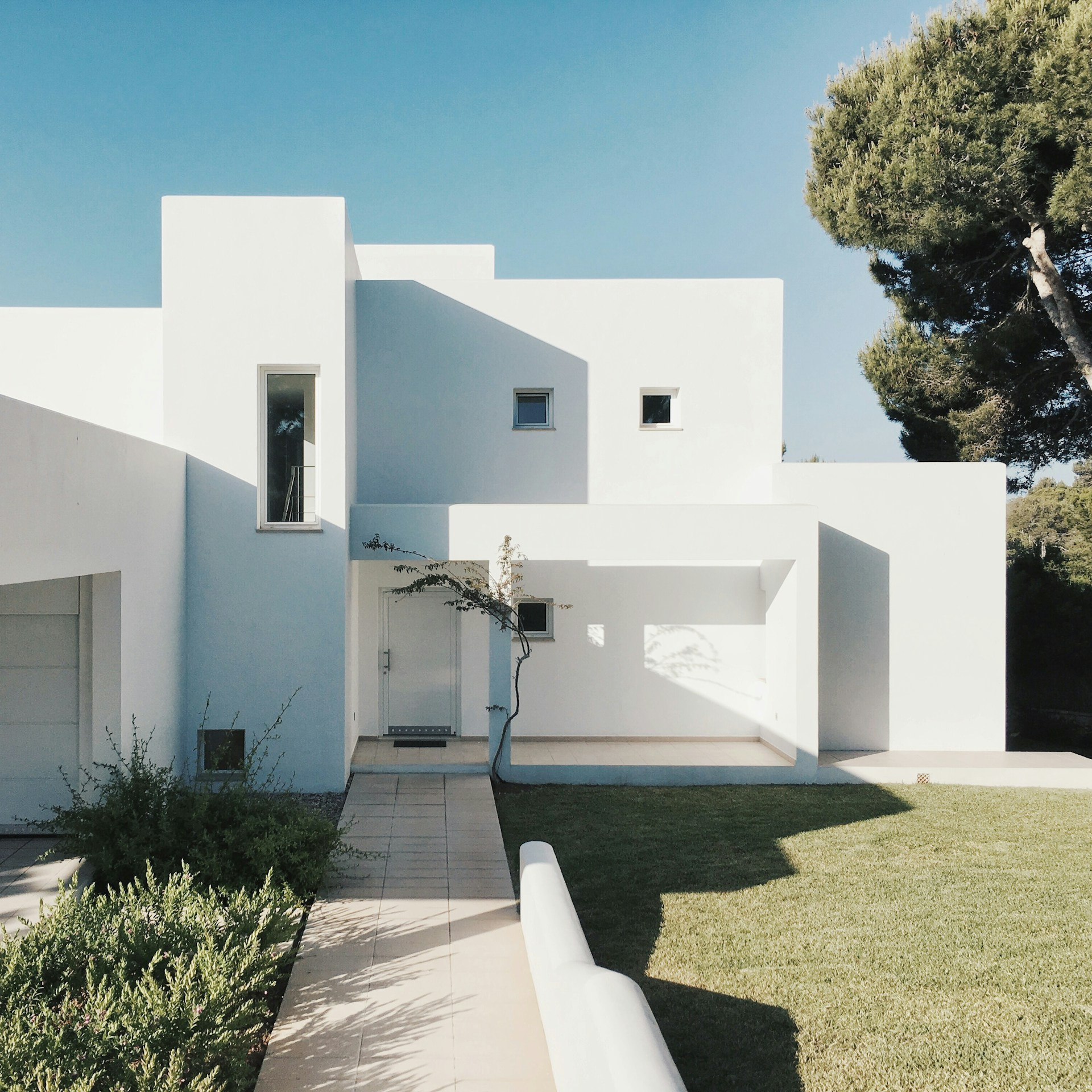
Selling a home with unique architecture can be both exciting and challenging. These homes stand out due to their distinctive designs, historical significance, or artistic elements. Here’s a comprehensive guide on how to sell a home with unique architecture and potentially turn a profit.
Understanding the Appeal of Unique Architecture
Homes with unique architecture often attract buyers looking for something special. These properties may feature unconventional designs, rare materials, or historical significance that sets them apart from standard homes. Understanding the appeal of unique architecture helps you position the property effectively in the market.
Buyers are drawn to unique homes for various reasons, including the aesthetic value, exclusivity, and character that such properties offer. Whether it’s a mid-century modern masterpiece, a Victorian-era gem, or an innovative contemporary design, the distinctiveness of the architecture can be a significant selling point.
Highlighting Unique Features to Buyers
When selling a home with unique architecture, it’s crucial to highlight its distinctive features. Emphasize the aspects that make the home special, such as custom-built elements, historical details, or innovative design features. Provide a narrative that connects the home’s architecture with its history and significance.
Use high-quality photos and detailed descriptions to showcase these features. Virtual tours and videos can also be effective in giving potential buyers a comprehensive view of the home. Highlighting unique features helps buyers appreciate the value and charm of the property, making it more appealing.
Preparing Your Unique Home for Sale
Proper preparation is key to selling a unique home. Start by ensuring the property is in excellent condition. Address any maintenance issues and consider making small upgrades that enhance the home’s appeal without compromising its character.
Staging the home can help potential buyers visualize themselves living in the space. Focus on arranging furniture and decor in a way that complements the architectural style. If the home has historical significance, consider preserving and highlighting original features while ensuring modern amenities are in place.
Pricing Your Home Appropriately
Pricing a home with unique architecture can be challenging. Work with a real estate professional who has experience with unique properties to determine a fair and competitive price. Consider factors such as the home’s architectural significance, condition, location, and market trends.
Comparative market analysis (CMA) can be tricky for unique homes, as there may be few comparable properties. Focus on the value of the unique features and the potential appreciation of the property. Setting the right price is crucial to attracting serious buyers and maximizing profit.
Marketing Strategies for Unique Homes
Effective marketing is essential when selling a home with unique architecture. Develop a marketing strategy that highlights the home’s distinctive features and appeals to potential buyers looking for something special.
Utilize professional photography, virtual tours, and high-quality videos to showcase the property. Create a compelling listing description that tells the story of the home and its unique attributes. Use social media, online real estate platforms, and local advertising to reach a broad audience.
Targeting the Right Buyers
Identifying and targeting the right buyers is crucial for selling a unique home. Potential buyers may include architecture enthusiasts, historians, and individuals looking for a one-of-a-kind property. Tailor your marketing efforts to attract these groups.
Highlight features that appeal to your target audience, such as the home’s historical significance, unique design elements, and potential for customization. Consider reaching out to architecture and design communities, historical societies, and niche real estate platforms that cater to unique properties.
Hosting Effective Open Houses and Showings
Open houses and showings provide an opportunity to make a strong impression on potential buyers. Schedule these events at times when the home looks its best, considering natural light and weather conditions.
Ensure the home is clean, well-lit, and staged to highlight its unique features. Provide detailed information about the home’s architecture, history, and any recent upgrades. Offering guided tours can help buyers appreciate the property’s distinctiveness and understand its value.
Addressing Common Buyer Concerns
Buyers may have concerns about purchasing a home with unique architecture, such as maintenance costs, potential for customization, and resale value. Be prepared to address these concerns with clear and detailed information.
Discuss any maintenance and restoration work that has been done and provide information about available resources for preserving and maintaining the property. Highlight the potential for customization and the long-term investment value of owning a unique home.
Leveraging the Historical and Artistic Value
If the home has historical or artistic significance, leverage this value in your marketing efforts. Emphasize the historical context, architectural style, and any notable architects or designers involved in the property’s creation.
Consider obtaining historical designation or recognition from local historical societies if applicable. This can enhance the property’s appeal and value, attracting buyers interested in preserving and appreciating the home’s unique heritage.
Working with Real Estate Professionals
Working with real estate professionals who specialize in unique properties can be invaluable. An experienced agent can provide insights into pricing, marketing, and negotiating the sale of a unique home. They can also connect you with potential buyers and resources for preserving and maintaining the property.
Consulting with architects, historians, and other experts can also provide valuable support. These professionals can offer guidance on highlighting the home’s architectural significance and addressing buyer concerns.
Conclusion
Selling a home with unique architecture involves understanding the property’s appeal, highlighting its distinctive features, and targeting the right buyers. Proper preparation, strategic pricing, and effective marketing are crucial to attracting serious buyers and turning a profit. By working with experienced real estate professionals and leveraging the home’s historical and artistic value, you can navigate the complexities of selling a unique home and achieve a successful sale.