Key Takeaways
- Concierge listing agents offer enhanced, personalized support for home preparation and presentation.
- Evaluate both service types based on your needs, goals, and 2026 market conditions before selecting an agent.
When you decide to sell your home, you have more options than ever before. Understanding the distinctions between a concierge listing agent and a traditional agent can help you select the right guidance and services. This comparison will help you navigate the process and set clear expectations for your 2026 home sale.
What Is a Concierge Listing Agent?
Concierge services overview
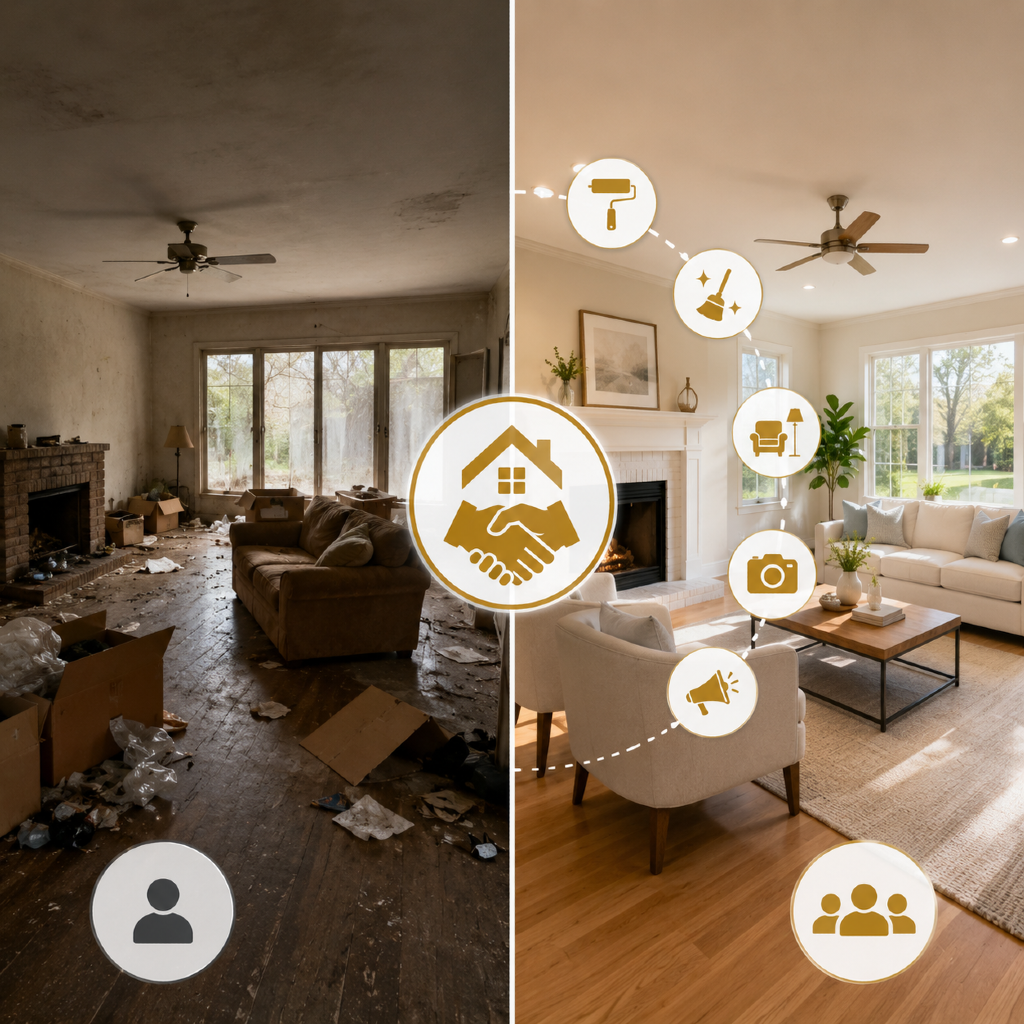
A concierge listing agent is a real estate professional who offers hands-on, comprehensive support to help you prepare your home for sale. The focus goes beyond listing and marketing—these agents coordinate and sometimes facilitate staging, repairs, cleaning, and other pre-sale improvements. Their role is designed to reduce your workload and streamline the process from preparation to closing.
Typical offerings to sellers
Concierge services often include scheduling or managing home repairs, arranging for deep cleaning, and selecting staging essentials that highlight your home’s potential. Some agents organize landscaping, minor remodels, or cosmetic upgrades to create larger buyer appeal. They may also provide access to reliable vendors and oversee improvements, keeping you updated at every step. This hands-on model is built for convenience and presentation, aiming to help your property enter the market at its strongest.
What Are Traditional Listing Agents?
Standard representation role
A traditional listing agent fulfills the core legal and ethical duties of representing you in the sale of your home. Their responsibilities include helping set the list price, managing paperwork, marketing your home through online listing platforms, and negotiating with potential buyers or their agents. A key element is their role as your trusted advisor throughout the transaction.
Typical listing process
With a traditional agent, you can expect an initial property assessment, marketing strategy discussion, and professional photos or descriptions to showcase your home. Traditional agents offer advice about minor touch-ups but generally expect you to handle home preparation. Their services are focused on transaction management, marketing, and negotiations, rather than hands-on improvement or vendor management.
How Do Concierge and Traditional Services Differ?
Service features compared
The main difference is the level of service and scope. Concierge agents actively coordinate and sometimes fund home enhancements, while traditional agents focus on strategic guidance, pricing, and negotiation. A concierge listing often includes access to a vetted network of service professionals and personalized project oversight. Meanwhile, a traditional agent’s services typically stop at providing referrals or basic staging advice.
Support level differences
With concierge selling, you might benefit from direct project management—meaning someone else handles the logistics, scheduling, and follow-up. In contrast, working with a traditional agent means you manage home preparation logistics yourself. This results in different experiences for sellers depending on your time, budget, and desire for support.
Pros and Cons of Each Approach
Advantages of concierge services
Choosing a concierge service often means less personal stress and effort when getting your home ready. The expert project management can help ensure your property is “show-ready” and maximize its presentation. These services are especially beneficial for busy sellers or owners of homes in need of cosmetic updates before hitting the market.
Advantages of traditional methods
Traditional listing agents offer a tried-and-true approach with clear expectations. If you’re comfortable preparing your home on your own or have limited pre-sale needs, this option may be cost-effective. Traditional representation emphasizes your control over all decisions and relies on straightforward service structures.
Potential drawbacks to consider
Concierge services may come at a higher upfront or deferred cost, and not every property requires an extensive upgrade. For highly motivated, DIY sellers, the added support could feel unnecessary. Traditional services, while cost-conscious, may require significant time and management on your part, especially if your property needs more work to compete in the 2026 market.
Which Selling Method Fits Your Needs?
Factors to consider
Think about your availability, your home’s condition, local competition, and your financial flexibility. Are you seeking a low-effort, all-in-one service or are you comfortable coordinating improvements? Assessing your property’s readiness, your timeline, and how involved you want to be can guide your choice.
Assessing your preferences
If you value expert assistance and minimized stress, a concierge agent may align with your goals. On the other hand, if you prefer a hands-on, cost-conscious approach, a traditional agent can provide essential guidance without additional features. Take time to reflect on your work schedule, risk tolerance, and desired selling experience.
What Questions Should You Ask Agents?
Interview tips
Interviewing agents is a key step. Prepare to ask about their experience with homes similar to yours, the kinds of services included in their offering, and the timeline for market preparation. Ask how they communicate progress and manage unexpected changes during the sale.
Evaluating service fit
Ask each agent for a clear outline of what tasks, vendors, and pre-sale steps are included in their service. Understand what costs you’ll be responsible for, and clarify how decisions are made about home improvements or staging. Make sure your expectations for communication, oversight, and involvement match the agent’s approach to support.
Can Market Trends Influence Your Choice?
How market conditions impact selling
In 2026, local and national real estate markets may feature rapid changes in buyer preferences, inventory, and demand. In a competitive market, enhanced presentation services may help your home stand out. During slower periods, a traditional approach could be just as effective if your home is already in excellent condition.
Adjusting strategy in 2026
Monitor market trends to determine how much emphasis you should place on upgrades, staging, or professional management. If homes are selling quickly, you may prefer a more streamlined, traditional route. If buyers are selective, investing in concierge-level support could be worth considering. Your agent can offer data-driven perspectives tailored to your neighborhood and price point.