Key Takeaways
- Thorough preparation and effective staging are essential for attracting serious buyers to your open house.
- Avoid common pitfalls like neglecting curb appeal; leverage both in-person and virtual strategies for 2026 success.
Did you know staged homes sell much faster according to recent trends? Avoid common pitfalls and discover proven open house strategies in our 2026 guide. With careful planning, you can maximize buyer interest and showcase your property’s full potential—whether you’re a first-time seller or a seasoned homeowner.
What Is an Open House?
Purpose of holding an open house
An open house offers potential buyers the opportunity to tour your property during a set timeframe, with no appointment needed. The main goal is to welcome multiple buyers, generate buzz, and give visitors a relaxed way to explore the home at their own pace. This event also allows buyers to visualize themselves living in the space, which can build emotional connections and excitement.
How open houses work in 2026
In 2026, open houses are more flexible than ever before, balancing traditional in-person events with robust virtual experiences. Visitors can walk through the property, ask questions, and collect information. Enhanced scheduling tools let you manage traffic and visitor safety. Virtual open house options—like 3D video tours or interactive walkthroughs—are widely available, giving buyers added convenience and increasing your home’s exposure.
How Should You Prepare Your Home?
Cleaning and decluttering essentials
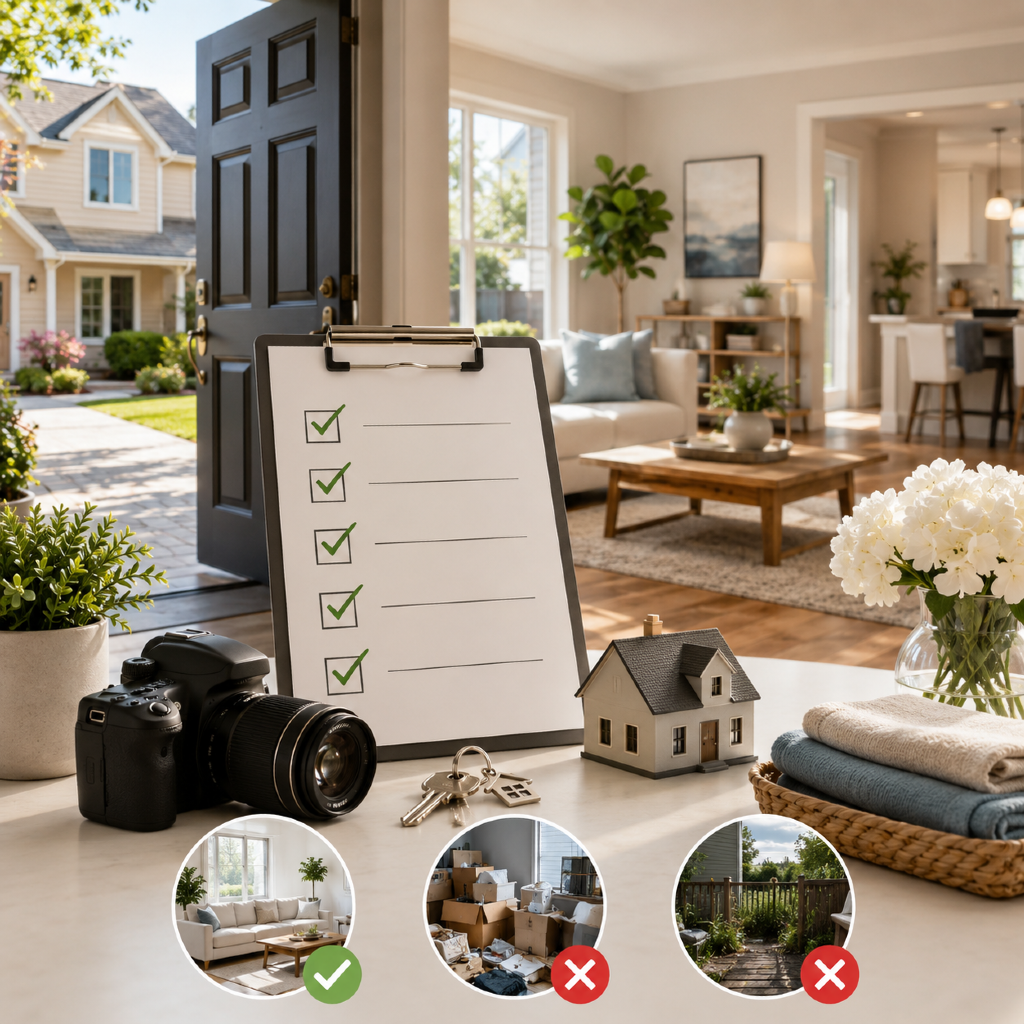
Before any open house, prioritize a thorough cleaning. Dust fixtures, wipe surfaces, and deep-clean kitchen and bathroom areas. Clear away clutter from countertops, closets, and floors so rooms look bigger and more inviting. Don’t forget about less obvious spaces such as basements, attics, and garages—buyers will look everywhere. Store personal items, like mail and photographs, to help visitors focus on the home itself.
Necessary repairs and safety checks
Ensure all minor repairs are handled before you open your doors. Fix dripping faucets, squeaky doors, loose handles, and any visible wear and tear. Check that all safety devices—such as smoke detectors and alarms—work properly. Removing tripping hazards, securing rugs, and confirming all lights are operational will enhance safety and overall presentation.
Setting the right atmosphere
Aim to create a welcoming and comfortable environment. Adjust lighting to be bright but warm, open curtains to let in natural light, and consider adding soft background music for ambiance. If possible, set the thermostat to a comfortable temperature. Light, fresh scents—such as baked cookies or citrus—can enhance first impressions, but be gentle with fragrances, as some visitors may be sensitive to strong smells.
What Are the Key Staging Strategies?
Staging main living areas effectively
Focus your staging efforts on high-impact areas: the living room, kitchen, master bedroom, and bathrooms. Arrange furniture to create open pathways and highlight each room’s best function. Use neutral throws and pillows to refresh seating areas, place fresh flowers on dining tables or counters, and add crisp linens in bathrooms.
Highlighting your home’s best features
Draw attention to standout details—like fireplaces, built-in shelving, or large windows—by keeping them clean and free of distractions. Use lighting or decorative accents to subtly guide buyers’ attention to these highlights. If you have recently upgraded any features or appliances, note them with a tasteful, easy-to-read sign.
Neutral décor and depersonalization tips
Help buyers envision themselves in your home by using neutral colors for walls, bedding, and décor. Remove family photographs, children’s artwork, and highly personalized items. Consider storing collections or bold artwork temporarily. The goal is to allow your property’s space and features to take center stage, rather than your own tastes or memorabilia.
Which Mistakes Should Sellers Avoid?
Common preparation missteps
Rushing through cleaning or overlooking repairs can inadvertently drive buyers away. Avoid scheduling your open house without enough prep time, and don’t discount the importance of smaller details—such as burned-out bulbs or dusty vents. Disorganization is noticeable and can suggest deferred maintenance to potential buyers.
Overlooking curb appeal
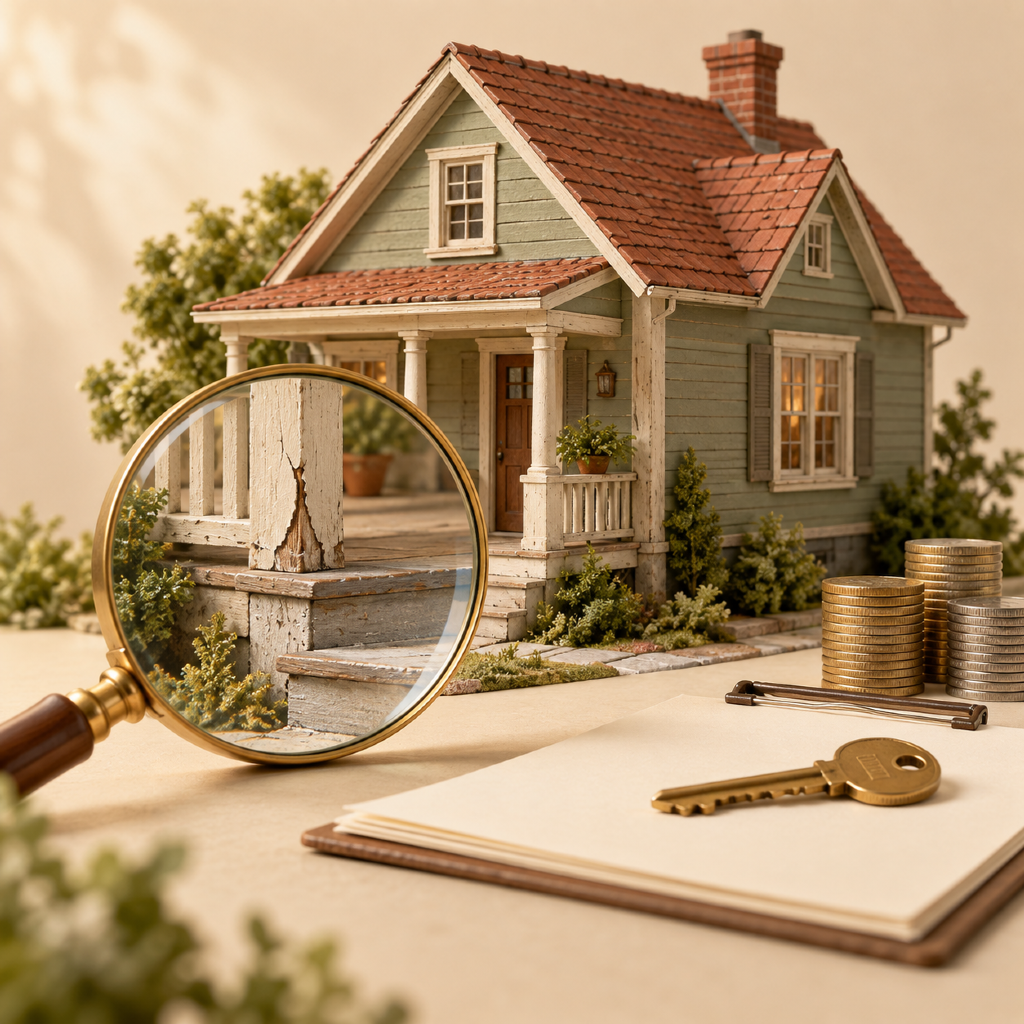
First impressions start at the sidewalk. Neglecting your home’s exterior—such as untrimmed bushes, peeling paint, or clutter on the porch—can reduce foot traffic before visitors even step inside. Spend time tidying landscaping, painting the front door if needed, and ensuring house numbers are visible. A welcoming entry instantly lifts buyer expectations.
Neglecting security during showings
During an open house, foot traffic is less controlled than during private showings. Remove or securely store valuables and important documents. If you are unsure about security, consult your listing agent about sign-in sheets, visitor tracking, or remote security monitoring tools. Prioritize safety for your family and belongings without adding unnecessary stress.
How Can You Maximize Open House Success?
Timing and marketing your open house
Hosting your open house at optimal times—typically weekends or early evenings—can boost attendance. Market your event across multiple platforms: local listing websites, social media, neighborhood groups, and traditional signage. High-quality photos and clear directions are essential. In 2026, supplementing with a virtual tour link can also reach motivated buyers unable to visit in person.
Managing visitor flow and feedback
Coordinate with your real estate professional to space out arrivals if needed, especially during peak hours. Provide informational brochures or digital handouts for visitors to take home. After the event, request feedback to identify recurring questions or objections—these insights can help refine your strategy for future showings or open houses.
What to do after the open house
Once your open house ends, follow up promptly with interested visitors. Address outstanding questions, and keep your property tidy in case of quick return visits. Review attendee feedback with your real estate professional to make any necessary adjustments that could enhance your home’s appeal for future showings.
Do Open Houses Still Matter in 2026?
Current market trends
Even as digital home searches grow, open houses continue to offer unique value. They generate buzz, enable spontaneous visits, and give buyers a firsthand sense of your property’s flow and atmosphere. In fast-moving or competitive markets, open houses remain a reliable way to attract multiple interested parties at once.
Virtual versus in-person events
Virtual open houses, with live-streamed walkthroughs or interactive 3D experiences, complement traditional events. These tools broaden your reach to out-of-town buyers and those preferring a digital first impression. Still, many buyers appreciate the immersive experience of visiting in person, making a blended approach in 2026 especially effective.
Evaluating if an open house is right for you
Not every property or market will benefit equally from an open house. Consider your location, typical buyer demographics, and your comfort with foot traffic in your home. Discuss these factors with your real estate professional to determine a tailored marketing plan that fits your needs and the current real estate landscape.