Key Takeaways
- Accurate property evaluation requires thorough research of local data, condition, and multiple valuation methods.
- Overestimating home value can prolong sale time and complicate negotiations—realistic assessments help avoid these pitfalls.
Understanding how to accurately assess your home’s value is essential, whether you’re preparing to sell or simply monitoring your investment. This step-by-step guide walks you through every stage of the property evaluation process, ensuring you can make informed decisions with confidence.
What Does Property Evaluation Involve?
Definition of property evaluation
Property evaluation is a systematic process used to estimate your home’s market value. This involves gathering information on your property and its features, analyzing current market conditions, and comparing your home to similar properties that have sold recently. The goal is to develop an unbiased opinion of what a buyer might realistically pay for your home at this point in time.
Why home value assessment matters
Knowing your home’s value helps you set a fair asking price, make informed financial decisions, and avoid complications when selling or refinancing. An accurate assessment can build trust with buyers and support transparent, effective negotiations. For homeowners staying put, understanding value also supports decisions around insurance, taxes, and long-term investments.
How Do Market Conditions Impact Value?
Local trends and their effects
Real estate values can shift dramatically based on local conditions like supply and demand, economic stability, and neighborhood developments. For example, if homes in your area are selling quickly or inventory is low, prices may rise. Alternatively, a surplus of homes or declining demand could lower values. Staying updated on your local market is crucial for realistic assessment.
Recent comparable sales explained
Comparable sales—or “comps”—are homes nearly identical to yours that have recently sold. They provide a benchmark for setting price expectations. Factors like square footage, number of bedrooms and bathrooms, lot size, and location help determine which properties qualify as true comparables. The most relevant comps are recent (ideally within the past three to six months) and closely match your home’s features.
Step 1: Gather Key Property Information
Essential home details to collect
To start your evaluation, collect fundamental details such as your home’s age, size (square footage), layout, bedroom and bathroom count, lot size, and any unique features (like a finished basement or pool). Additional information—such as updates, heating and cooling systems, and roofing age—will be useful for later steps.
Factors that commonly affect value
Elements like renovations, energy efficiency improvements, and upgrades in kitchens or bathrooms tend to add value. On the other hand, deferred maintenance, outdated systems, or undesirable locations can decrease it. Pay close attention to both positive and negative factors to get the clearest picture possible.
Step 2: Analyze Local Real Estate Data
How to find relevant sales data
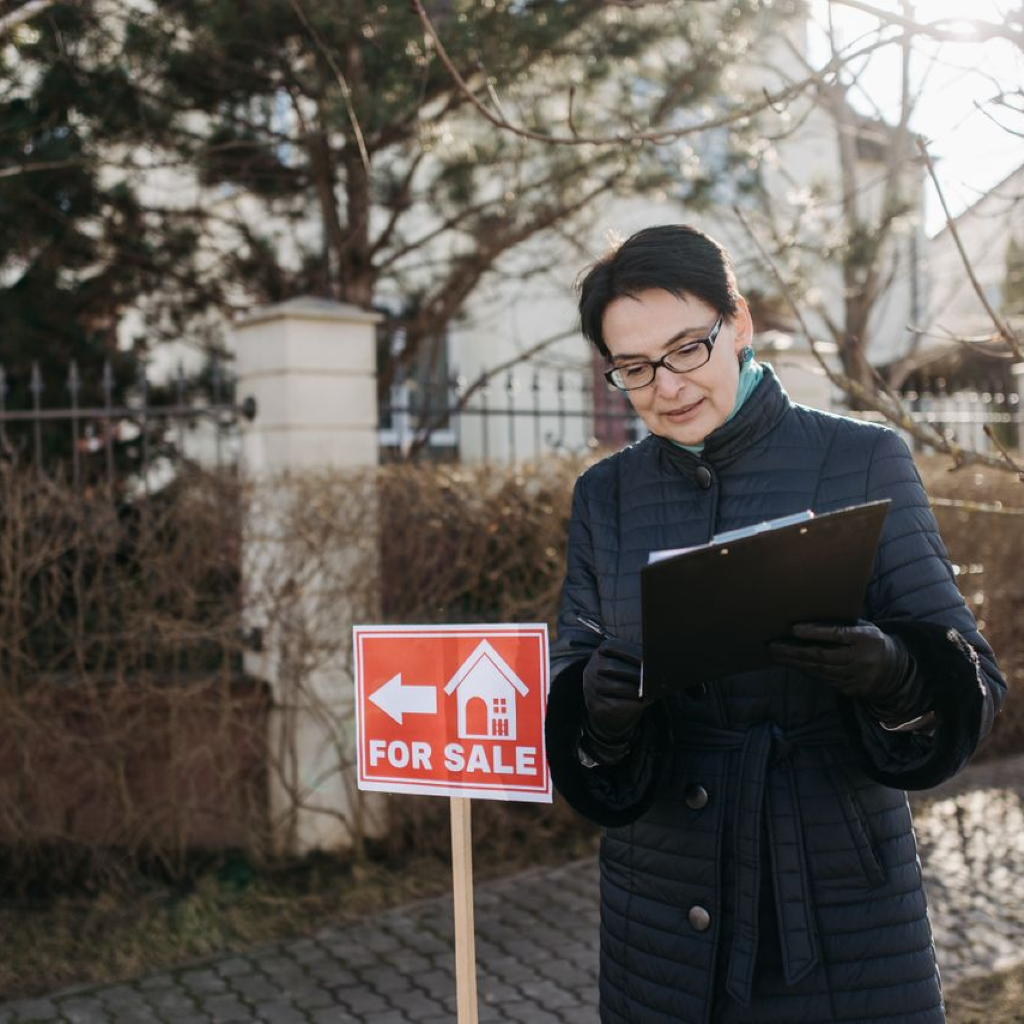
You can research recent local sales online using public records, property websites, or county databases. Focus on final sales prices, not just asking prices. If these tools seem daunting, you can also reference summary statistics for your neighborhood or ask for general information from your county or city housing office.
What counts as a true comparable
The ideal comparable is a home in your immediate area with similar size, age, style, and features, sold within the prior three to six months. Adjust for small differences, like an extra bathroom, updated appliances, or a finished basement, so your comparison is fair. Avoid relying on properties that don’t closely match your own or that sold longer ago, as market conditions may have changed since then.
Step 3: Evaluate Your Home’s Condition
Identifying major upgrades and repairs
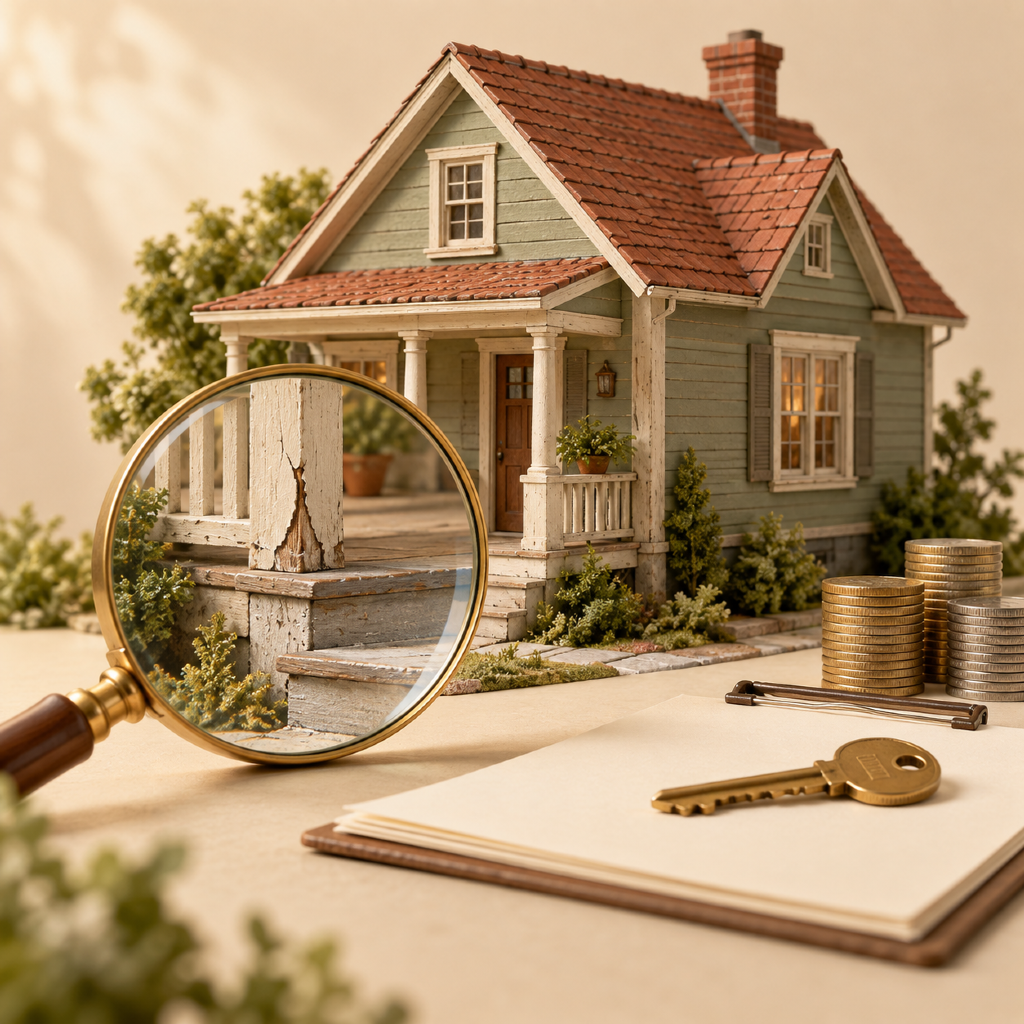
Document any substantial improvements, such as remodeled kitchens, new roofs, updated windows, or energy efficiency enhancements. Equally important: note any areas in need of repair, as visible defects or outdated systems can negatively impact perceived value.
Assessing curb appeal and maintenance
A home’s exterior makes a significant first impression. Evaluate landscaping, paint, siding, windows, and cleanliness. Well-maintained homes generally command higher values, while deferred upkeep can deter buyers. Small changes—like trimming bushes, cleaning walkways, or refreshing paint—can influence a potential buyer’s perception of your home’s worth.
Step 4: Estimate Value Using Multiple Methods
Overview of common valuation approaches
Three main approaches can help you estimate your home’s value:
- Sales Comparison Approach: Comparing your property directly to recent similar sales (most common for residential homes).
- Cost Approach: Calculating the cost to rebuild your home from scratch, subtracting depreciation, and adding land value (useful for unique or new homes).
- Income Approach: Generally reserved for rental or multi-family buildings, focusing on potential rental income.
For most homeowners, the sales comparison method is the most practical—and most in line with buyer expectations.
How online estimates compare to manual analysis
Automated online valuation tools use public data and algorithms to estimate home values quickly. While convenient, these often rely on broad averages and can’t account for your home’s unique features, upgrades, or condition as thoroughly as a manual review. Consider online values as helpful starting points, but always cross-check with detailed local research.
Is Professional Appraisal Necessary?
When to consider an appraiser
There are times when hiring a licensed appraiser is advisable, such as when a lender requires it for a mortgage, refinancing, or certain legal proceedings. You may also choose an appraisal if your property is unusual, has few comparables nearby, or if you want a more objective, expert opinion.
Benefits and limitations of professional appraisals
Appraisers are trained to evaluate condition, location, improvements, and local data in detail. Their unbiased reports can clarify value in complex scenarios and provide support during negotiations. However, appraisals involve a fee and represent one professional opinion—market value may still change day-to-day based on supply, demand, and broader trends.
What Are the Pitfalls of Overestimating Value?
Consequences for pricing and negotiations
Overpricing your home—even by a small margin—can reduce buyer interest, extend your time on the market, and result in lower final offers after price drops. Buyers are typically well-informed and may be wary of homes priced above their perceived worth. This can lead to protracted negotiations or the need to make multiple price adjustments.
How to avoid common evaluation mistakes
The best way to avoid missteps is by relying on recent, geographically relevant data and being honest about your home’s pros and cons. Don’t ignore minor flaws or base your value solely on online estimates. Take your time with each step, or consider professional input when in doubt for a balanced, realistic outcome.