Key Takeaways:
- Selling a countryside home involves understanding the unique market dynamics, highlighting the property’s features, and addressing potential buyer concerns.
- Effective marketing, targeted strategies, and working with experienced real estate professionals can help attract the right buyers and secure a successful sale.
Selling a Home in the Countryside: What to Expect
Selling a home in the countryside presents unique challenges and opportunities compared to urban or suburban properties. From understanding the market dynamics to highlighting the unique features of rural living, here’s a comprehensive guide on what to expect and how to navigate the process.
Understanding the Countryside Market
The countryside market differs significantly from urban markets. Buyers are often looking for specific lifestyle changes, such as more space, tranquility, and a connection to nature. Understanding these motivations helps tailor your marketing efforts. The buyer pool might be smaller, but those interested are often more serious and committed to finding the perfect rural retreat.
Benefits of Selling a Countryside Home
Appeal of Rural Living
The primary appeal of countryside living is the peace and tranquility it offers. Buyers are attracted to the slower pace of life, beautiful landscapes, and the opportunity for outdoor activities. Emphasize these benefits in your marketing to attract buyers looking for a lifestyle change.
Unique Features and Land
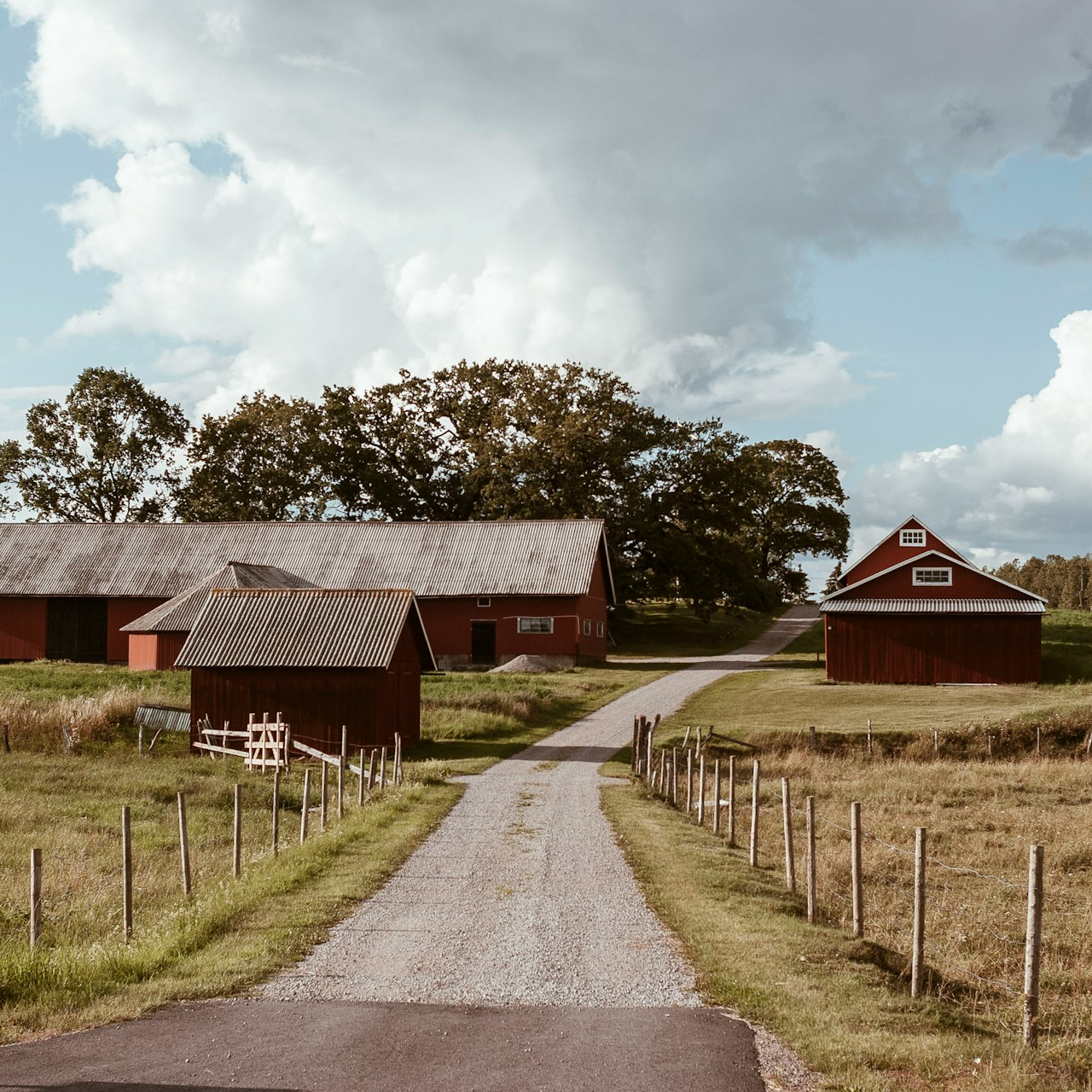
Countryside homes often come with unique features such as larger plots of land, gardens, outbuildings, and natural surroundings. Highlight these aspects as they are significant selling points. Buyers interested in rural properties often value the additional space and privacy that these homes offer.
Challenges of Selling a Countryside Home
Limited Buyer Pool
One of the main challenges is the limited buyer pool. While urban properties attract a broader range of buyers, countryside homes appeal to a niche market. This requires targeted marketing strategies to reach potential buyers effectively.
Access and Convenience Issues
Countryside homes might have access and convenience issues, such as being further away from amenities, schools, and healthcare facilities. Address these concerns by highlighting local services and any recent infrastructure improvements that enhance accessibility.
Seasonal Market Fluctuations
The market for countryside homes can be subject to seasonal fluctuations. Spring and summer are typically more active times for rural property sales, as the weather is better for viewing properties, and the landscape is more attractive. Be prepared for slower activity during the winter months.
Preparing Your Countryside Home for Sale
Ensuring Property Maintenance
Before listing your home, ensure that the property is well-maintained. This includes routine maintenance tasks such as mowing the lawn, trimming hedges, and repairing any visible damage. A well-kept property creates a positive first impression and reassures buyers about the home’s condition.
Highlighting Unique Features
Showcase the unique features of your countryside home. This could include natural elements like gardens, orchards, ponds, or wooded areas. Highlight any special features like a barn, greenhouse, or guest cottage. Use these features as key selling points in your marketing materials.
Addressing Land and Outdoor Spaces
The land and outdoor spaces are significant attractions for countryside homes. Ensure that these areas are presented in the best possible light. Clear any debris, maintain pathways, and consider adding outdoor furniture to create inviting spaces. Highlight the potential uses for the land, such as gardening, farming, or recreation.
Marketing Strategies for Countryside Homes
Professional Photography and Videography
High-quality photography and videography are crucial for marketing countryside homes. Hire a professional photographer to capture the beauty of the property and its surroundings. Aerial shots can be particularly effective in showcasing the expanse of the land and unique features. Virtual tours can also attract remote buyers.
Crafting a Compelling Listing Description
A compelling listing description can make a significant difference. Use descriptive language to paint a picture of the rural lifestyle and the home’s unique features. Highlight the benefits of living in the countryside, such as peace, privacy, and natural beauty.
Leveraging Social Media and Online Platforms
Utilize social media and online platforms to reach a broader audience. Share stunning photos and videos of your property on platforms like Instagram, Facebook, and Pinterest. Use targeted ads to reach potential buyers interested in rural living. Online real estate websites and specialized rural property platforms can also be effective.
Targeting the Right Buyers
Identifying Potential Buyer Demographics
Identify and target the demographics most likely to be interested in your countryside home. This might include retirees looking for a peaceful place to settle, families seeking more space, or professionals wanting a second home. Tailor your marketing messages to address their specific needs and desires.
Networking with Local Real Estate Agents
Local real estate agents with experience in the countryside market can be valuable allies. They understand the nuances of the market and have access to a network of potential buyers. Collaborate with agents to reach a wider audience and leverage their expertise in marketing rural properties.
Hosting Effective Open Houses and Showings
Scheduling According to Buyer Availability
Schedule open houses and showings at times that are convenient for potential buyers. Weekends and late afternoons are typically the best times. Consider offering private showings for serious buyers who may prefer a more personalized viewing experience.
Creating a Welcoming Atmosphere
Create a welcoming atmosphere during open houses and showings. Set up outdoor seating areas, play soft music, and offer refreshments. Make sure the home is clean, well-lit, and staged to highlight its best features.
Providing Information on Local Amenities
Provide detailed information about local amenities, including schools, healthcare facilities, shopping, and recreational activities. Highlight any unique local attractions or community events. This helps buyers get a sense of the lifestyle they can enjoy in the area.
Addressing Common Buyer Concerns
Explaining Maintenance and Upkeep
Buyers may have concerns about the maintenance and upkeep of a countryside home. Provide information about routine maintenance tasks and any local services available, such as landscaping or snow removal. Highlight any recent upgrades that reduce maintenance needs, such as new roofing or energy-efficient windows.
Discussing Local Services and Accessibility
Address concerns about local services and accessibility. Provide details on the proximity of essential services like grocery stores, schools, and healthcare facilities. Highlight any recent infrastructure improvements that enhance accessibility, such as new roads or public transportation options.
Highlighting Energy Efficiency and Sustainability
Many buyers are interested in energy efficiency and sustainability. Highlight any energy-efficient features of your home, such as solar panels, energy-efficient appliances, or sustainable landscaping. Discuss the benefits of these features in terms of cost savings and environmental impact.
Leveraging Unique Selling Points in Negotiations
Using Land and Outdoor Features as Selling Points
Leverage the unique selling points of your countryside home during negotiations. Emphasize the value of the land and outdoor features, such as gardens, orchards, or recreational areas. Highlight the potential for future development or customization.
Offering Incentives for a Quick Sale
Consider offering incentives to attract buyers and facilitate a quick sale. This could include offering to cover closing costs, providing a home warranty, or including some furniture or equipment in the sale. Incentives can make your property more appealing and help close the deal faster.
Working with Real Estate Professionals
Selecting an Agent Experienced in Rural Properties
Choose a real estate agent with experience in selling rural properties. They understand the unique challenges and opportunities of the countryside market and can provide valuable insights and strategies. An experienced agent can help you navigate the selling process more effectively.
Utilizing Their Expertise in the Countryside Market
Leverage your agent’s expertise to market your home effectively. They can help you identify the best marketing channels, craft compelling listing descriptions, and negotiate with potential buyers. Their knowledge of the local market can be a significant advantage.
Long-Term Considerations
Understanding Seasonal Market Trends
Be aware of seasonal market trends when selling a countryside home. Spring and summer are typically the best times to list, as the property’s outdoor features are more attractive. Plan your selling strategy to align with these peak times for the best results.
Planning for Future Market Conditions
Consider future market conditions when planning to sell your countryside home. Stay informed about local real estate trends, economic factors, and potential developments in the area. This knowledge can help you make informed decisions and maximize the value of your property.
Successfully Selling a Countryside Home
Selling a countryside home requires a strategic approach that highlights the unique features and benefits of rural living. By understanding the market, preparing your property, and utilizing effective marketing strategies, you can attract the right buyers and achieve a successful sale. Working with experienced real estate professionals ensures that you navigate the process smoothly and maximize the value of your countryside home.