Key Takeaways
- The home selling process involves several critical steps, from preparing your home for sale to closing the deal, each requiring careful attention to ensure a smooth transaction.
- Understanding the key stages, including pricing, marketing, negotiations, inspections, and final paperwork, can help alleviate fears and make the process more manageable.
The Home Selling Process from Start to Finish: Scary but Important to Know
Preparing Your Home for Sale
Preparing your home for sale is the first and perhaps most crucial step in the home selling process. A well-prepared home can attract more potential buyers and increase your chances of getting a good price. Start by decluttering your home. Remove personal items, excess furniture, and anything that might distract buyers from seeing the potential of the space. This helps create a neutral environment where buyers can envision themselves living.
Next, address any necessary repairs and maintenance. Fix leaky faucets, patch holes in the walls, and ensure all appliances are in working order. A fresh coat of paint, especially in neutral colors, can also make your home look more inviting. Consider hiring a professional cleaner to deep clean your home, including carpets and windows. Cleanliness can significantly impact a buyer’s first impression.
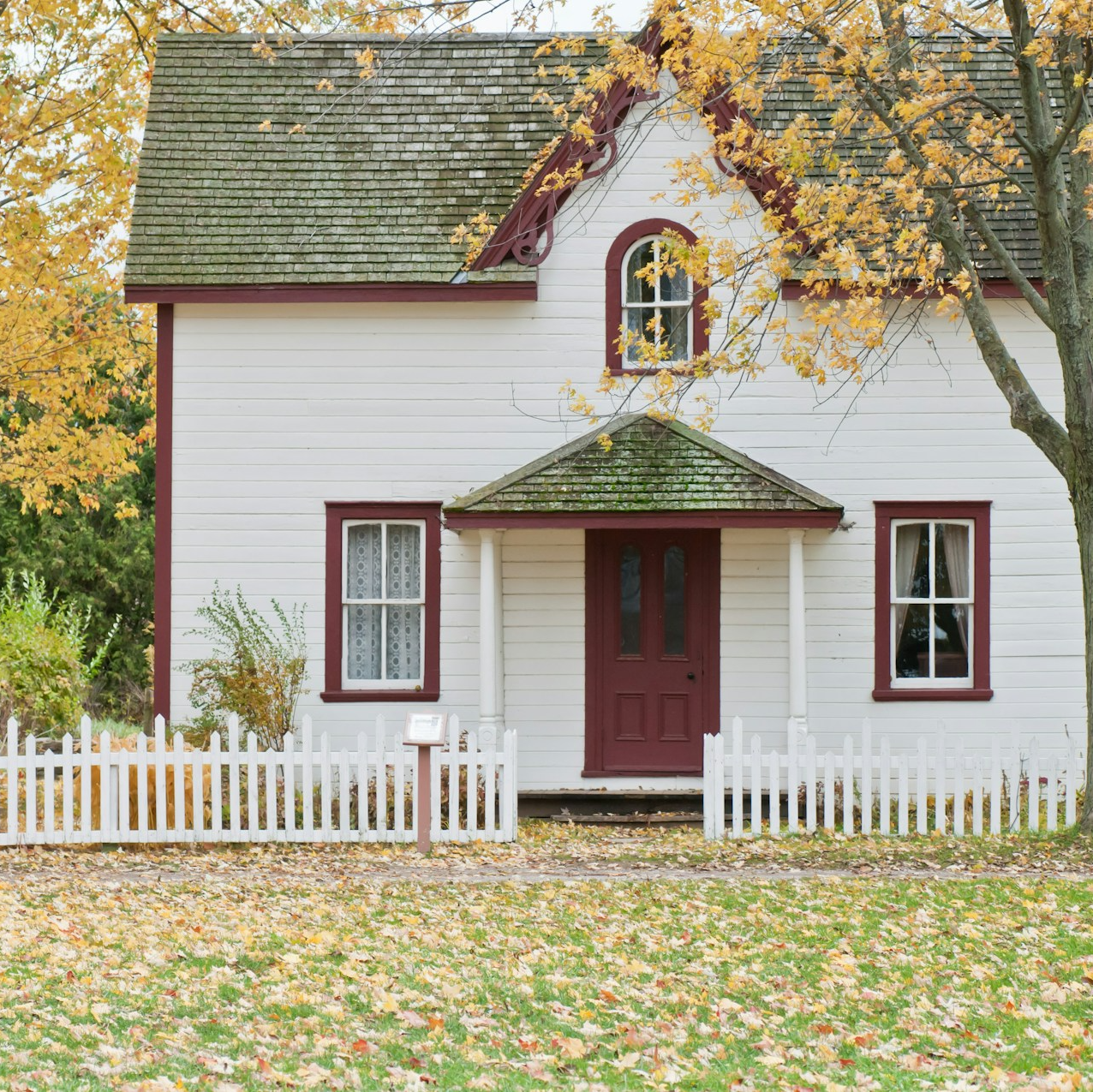
Staging your home can further enhance its appeal. This involves arranging furniture and decor to highlight your home’s best features. Professional stagers can help create a welcoming atmosphere that resonates with buyers. Don’t forget the exterior – curb appeal matters. Make sure your lawn is mowed, hedges are trimmed, and the front entrance is clean and inviting.
Setting the Right Price
Pricing your home correctly is crucial. An overpriced home can languish on the market, while an underpriced home might sell quickly but for less than its worth. To set the right price, start by researching the local real estate market. Look at comparable homes (comps) in your area that have sold recently. These should be similar in size, condition, and location to your home.
Consider hiring a professional appraiser for an unbiased opinion of your home’s value. Real estate agents can also provide a comparative market analysis (CMA) to help you understand how your home compares to others on the market.
Strategic pricing can attract more buyers. Pricing slightly below market value can generate interest and potentially lead to a bidding war, driving up the final sale price. However, be cautious not to undervalue your property. Your goal is to set a competitive price that reflects the true market value of your home.
Marketing Your Property Effectively
Effective marketing is essential to reach a broad audience and attract potential buyers. Start by creating high-quality listings on popular real estate websites such as Zillow, Realtor.com, and Redfin. High-quality photos are crucial; consider hiring a professional photographer to showcase your home’s best features. Virtual tours and 3D walkthroughs can also provide an immersive experience for online viewers.
Leverage social media platforms like Facebook, Instagram, and Twitter to market your home. Share your listing with your network, join local real estate groups, and consider running targeted ads to reach potential buyers in your area.
Open houses can also be an effective marketing tool. Advertise open houses through online listings, social media, and local newspapers. Ensure your home is clean, well-staged, and welcoming for visitors. Providing refreshments and informative brochures about the home and neighborhood can enhance the experience for attendees.
Navigating Offers and Negotiations
Once your home is on the market, you will start receiving offers from potential buyers. Each offer will include the price the buyer is willing to pay, any contingencies (conditions that must be met for the sale to proceed), and the proposed closing date. It’s essential to review each offer carefully and consider all aspects, not just the price.
Work with your real estate agent to evaluate offers. Your agent can help you understand the terms and negotiate with buyers to get the best deal. Be prepared to make counteroffers. Negotiation is a normal part of the home selling process, and it’s crucial to stay flexible and open to compromise.
Contingencies are common in real estate transactions. These might include the buyer securing financing, the home passing a professional inspection, or the sale of the buyer’s current home. Understanding and managing these contingencies is vital to keep the sale on track.
Understanding the Inspection and Appraisal Process
After accepting an offer, the next step typically involves a home inspection and appraisal. The buyer will hire a professional inspector to examine the property for any issues, such as structural problems, plumbing or electrical issues, or pests. Be prepared to address any significant problems the inspection reveals. Depending on the contract, you might need to repair these issues or negotiate a lower price with the buyer.
An appraisal is an unbiased estimate of the home’s market value, conducted by a professional appraiser. This is usually required by the buyer’s lender to ensure the loan amount is justified. The appraised value can affect the sale if it comes in lower than the agreed-upon price. In such cases, you might need to renegotiate the price or the buyer may need to make a larger down payment.
Closing the Deal: Final Steps to Selling Your Home
The final stage in the home selling process is closing the deal. This involves signing all the necessary paperwork to transfer ownership of the property to the buyer. Before closing, ensure all contingencies are met, and the buyer’s financing is secured. Your real estate agent and attorney will help you navigate the closing process and ensure all documents are in order.
On the closing day, you will sign the deed, transfer ownership, and hand over the keys to the new owner. You will also pay any closing costs, which can include agent commissions, taxes, and title insurance. Once all documents are signed and funds are transferred, the sale is complete.
Conclusion
The home selling process can seem daunting, but understanding each step can help you navigate it more confidently. From preparing your home and setting the right price to marketing effectively and closing the deal, each stage requires careful attention and strategic planning. By working closely with real estate professionals and staying informed, you can make the process smoother and more successful.