Key Takeaways
-
A pre-inspection report gives you control by revealing repair issues before buyers do, helping you avoid last-minute deal disruptions.
-
Using the report strategically can strengthen your negotiating position, build buyer trust, and potentially increase your home’s final selling price.
Why Pre-Inspection Reports Carry More Weight Than You Realize
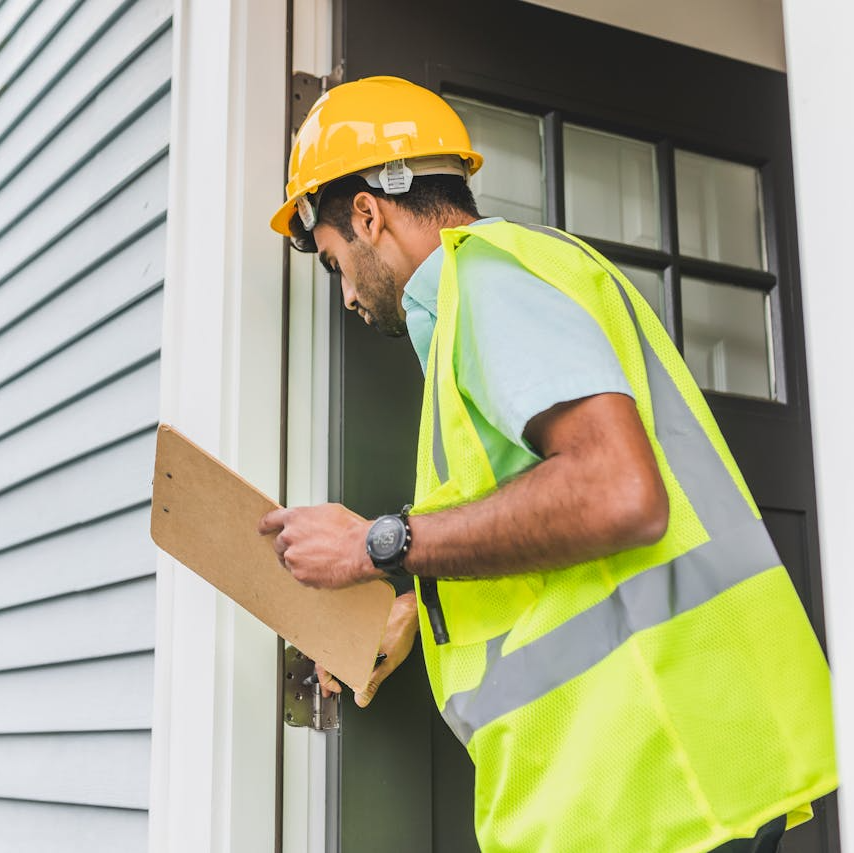
When you are preparing to sell your home, the inspection stage often feels like a hurdle rather than a tool. Many sellers wait until the buyer orders an inspection, but a pre-inspection report gives you a powerful advantage. It allows you to identify issues before the home even goes on the market, ensuring that you are not caught off guard later.
This simple step creates transparency and demonstrates to potential buyers that you have nothing to hide. In 2025, buyers are increasingly cautious and value openness. A pre-inspection can be the difference between a smooth transaction and one riddled with unexpected delays.
How Pre-Inspection Reports Help You Stay Ahead
A pre-inspection report is not just a technical document. It is a strategy. Here are the main ways it helps you:
-
Early identification of problems: You discover issues before buyers point them out, giving you the chance to fix them on your terms.
-
Accurate pricing: Knowing the home’s condition helps you set a realistic listing price without fear of overpricing or underpricing.
-
Buyer confidence: Transparency builds trust and reduces the likelihood of renegotiations after a buyer’s inspection.
-
Faster negotiations: Since surprises are reduced, the negotiation timeline shortens, and closing can happen more smoothly.
The Most Overlooked Advantage: Control Over Repairs
Without a pre-inspection, you are at the mercy of the buyer’s timeline. Their inspector may flag issues you did not anticipate, and suddenly you are pressed to make quick fixes or reduce your asking price. A pre-inspection allows you to:
-
Decide which repairs are worth handling before listing.
-
Get multiple quotes and choose affordable contractors instead of rushing.
-
Make improvements that enhance curb appeal and functionality at the same time.
This proactive approach often results in less stress and better financial outcomes.
Short-Term Investment, Long-Term Gain
Some sellers hesitate because a pre-inspection comes with upfront costs. Yet this cost is often small compared to the money saved in negotiations. When buyers see a report that is recent, detailed, and professional, they interpret it as a sign of a well-cared-for home. In many cases, this leads to stronger offers because the buyer feels more secure.
For example, in 2024, sellers who provided pre-inspections often saw shorter listing durations compared to those who did not. In 2025, this trend continues, with many homes selling faster due to increased buyer confidence.
Key Areas Covered in a Pre-Inspection
The report typically highlights:
-
Structural integrity: Foundation, roof, and overall stability.
-
Mechanical systems: HVAC, plumbing, and electrical systems.
-
Safety checks: Fire alarms, carbon monoxide detectors, and handrails.
-
Exterior condition: Siding, gutters, and drainage systems.
-
Interior concerns: Flooring, windows, and visible water damage.
By knowing these details in advance, you can prioritize what matters most to potential buyers.
Timeline of How Pre-Inspection Influences the Selling Process
-
2–3 months before listing: Schedule the pre-inspection, review the findings, and decide which repairs to complete.
-
1–2 months before listing: Make the necessary repairs and gather receipts or warranties.
-
1 month before listing: Have the home re-inspected if needed to verify completed work.
-
During listing: Provide the report to buyers to strengthen your transparency and attract serious offers.
-
During negotiations: Use the report as leverage to reduce price reductions or repair demands.
This timeline shows how a relatively early step can positively affect every stage of the home sale.
Negotiating with Confidence
Buyers often feel empowered during inspection because they can use repair requests as a bargaining tool. A pre-inspection shifts some of that power back to you. By presenting a current report upfront, you:
-
Demonstrate honesty and preparedness.
-
Limit the room for unexpected repair requests.
-
Make buyers feel secure, which can encourage them to bid competitively.
Why Many Sellers Still Avoid Pre-Inspections
Despite the benefits, many sellers overlook this step. The common reasons include:
-
Fear of discovering costly issues: Some sellers prefer not to know, hoping problems will go unnoticed.
-
Concern over disclosure obligations: Sellers worry that once issues are documented, they must disclose them.
-
Upfront expense: A pre-inspection requires paying before the home is even listed.
Yet each of these reasons ignores the larger picture. Knowing your home’s condition in advance is always better than being blindsided mid-sale. Disclosure, while necessary, actually builds trust and credibility.
Turning a Report into a Marketing Tool
Few sellers think of using their pre-inspection report as part of their marketing strategy, but it can be highly effective. Buyers interpret a report as:
-
Evidence of responsible homeownership.
-
Proof that the property has been evaluated by professionals.
-
A reassurance that hidden problems are unlikely.
By including this document in your listing package or having it available during showings, you distinguish your home from competing properties.
The Psychological Edge of Transparency
Home buying is as much an emotional decision as it is financial. When you share a pre-inspection report, you lower the buyer’s anxiety. This subtle psychological reassurance can lead them to make faster and higher offers, simply because they feel safer moving forward with your property.
Common Missteps to Avoid
Even with a pre-inspection, sellers sometimes misuse the report. To avoid mistakes:
-
Do not ignore major issues uncovered. Fix what matters or be prepared to adjust pricing.
-
Avoid incomplete documentation. Always keep records of repairs and receipts.
-
Do not delay sharing the report. Early disclosure has the strongest impact.
Why Timing Matters in 2025
The housing market in 2025 favors transparency. Buyers compare listings quickly online and narrow down options based on perceived risk. A pre-inspection gives your home a competitive edge by removing doubt. In a market where properties can go under contract in as little as 30–45 days, reducing uncertainty helps you secure buyers sooner.
Bringing It All Together
A pre-inspection report is more than a formality. It is a strategy that influences pricing, negotiations, buyer confidence, and closing timelines. By investing a little time and money upfront, you can prevent setbacks, speed up the selling process, and potentially increase your final sale price.
If you are planning to sell your home, consider scheduling a pre-inspection as one of your earliest steps. It not only equips you with valuable knowledge but also sends a strong signal of trustworthiness to buyers. To make the most of this strategy, get in touch with a licensed agent listed on this website for advice on how to use a pre-inspection report effectively in today’s market.