
Key Takeaways
- Focus on popular, practical upgrades like kitchens, bathrooms, and curb appeal to improve your home’s value.
- Evaluate your local market, budget, and timing to maximize the return on investment for any renovation project.
Preparing your home for sale often involves deciding which renovations are worth your time and money. With so many upgrades to choose from, it’s important to focus on those that boost your home’s value and attract the right buyers. Let’s explore the best ways to invest in your property before listing it on the market.
What Home Upgrades Boost Value?
Popular renovations with proven value
Certain upgrades consistently help homes stand out and command better asking prices. Prioritizing these can make your property more appealing:
- Kitchen improvements – Modern appliances, updated countertops, and fresh cabinetry appeal to a broad range of buyers. Even minor changes like new hardware or a backsplash update can make a difference.
- Bathroom updates – Replacing old fixtures, adding new vanities, or improving lighting are cost-effective ways to modernize spaces that buyers closely inspect.
- Curb appeal enhancements – Landscaping, new entry doors, and exterior paint are often less expensive but create a welcoming first impression.
- Flooring upgrades – Replacing old carpet with hardwood or high-quality laminate can give homes a cleaner, contemporary look.
- Energy efficiency improvements – Features such as double-pane windows or updated insulation are increasingly attractive, especially in energy-conscious markets.
How buyers view updated features
Most buyers today expect certain features to be turnkey. Modern, well-kept kitchens and bathrooms are often at the top of wish lists. Fresh, neutral décor and move-in readiness help buyers envision themselves in the space, reducing perceived future expenses. Upgrades that align with what buyers seek—without being overly personalized—can tip the scales in your favor.
How Do Renovations Affect Selling Price?
Market trends for recent years
In recent years, the real estate market has reflected strong buyer interest in homes that require little to no work. However, as market conditions shift and affordability becomes more important, buyers may become more selective. Data from multiple reports show that moderate renovations—like minor kitchen remodels or adding a deck—often result in a higher percentage of costs recouped compared to expensive, high-end projects.
Examples of returns on investment
While exact returns vary by location and timing, national estimates suggest:
- Minor kitchen remodels may recoup 70-80% of their cost.
- Bathroom upgrades are in a similar range at 60-70% recouped.
- Exterior enhancements, such as garage doors or siding replacement, sometimes yield an even higher percentage.
Remember, no renovation guarantees a higher sale price, but targeted improvements can make your home more competitive in the current market.
Which Projects Offer the Best ROI?
Kitchen improvements that attract buyers
Focusing on visible and functional upgrades rather than full-scale remodels is often the most strategic move. Think about resurfacing cabinets, installing modern lighting, or replacing dated countertops. These updates enhance visual appeal without stretching your renovation budget out of proportion.
Bathroom updates with high appeal
Simple fixes, like new fixtures, regrouted tile, or a fresh coat of paint, can breathe new life into a bathroom. Replacing an old vanity or toilet, installing a more efficient showerhead, and ensuring there’s plenty of lighting can make a strong impression.
Curb appeal and exterior upgrades
Buyers decide much about a property from the outside. Upgrades like new landscaping, power-washed siding, or painting the front door are accessible, high-impact projects. Even adding fresh house numbers or a stylish mailbox can boost your home’s perceived value.
Should You Renovate Before Selling?
Factors to weigh before starting projects
Before jumping into renovations, consider these questions:
- What is the condition of homes currently selling in your neighborhood?
- Will the improvements set your property apart—without outpacing what buyers expect?
- Is your primary goal to sell quickly, maximize profit, or reduce time on the market?
Not every home needs significant updates; sometimes simple repairs and a thorough cleaning are more impactful.
Timing and budget planning tips
Staying within budget is crucial. Start by obtaining several estimates for each project and set a ceiling for your total renovation expenses. Keep the selling timeline in mind as well—unexpected delays in larger projects could impact when you list your home. Prioritize upgrades that can be finished quickly and are in highest demand among local buyers.
What Are the Common Upgrade Mistakes?
Over-improving for the local market
One of the most frequent errors is investing in high-end upgrades that surpass what’s common in your area. Making your home the most upgraded on the block may not yield a proportional return and could limit your pool of interested buyers who are focused on value.
Neglecting important repairs
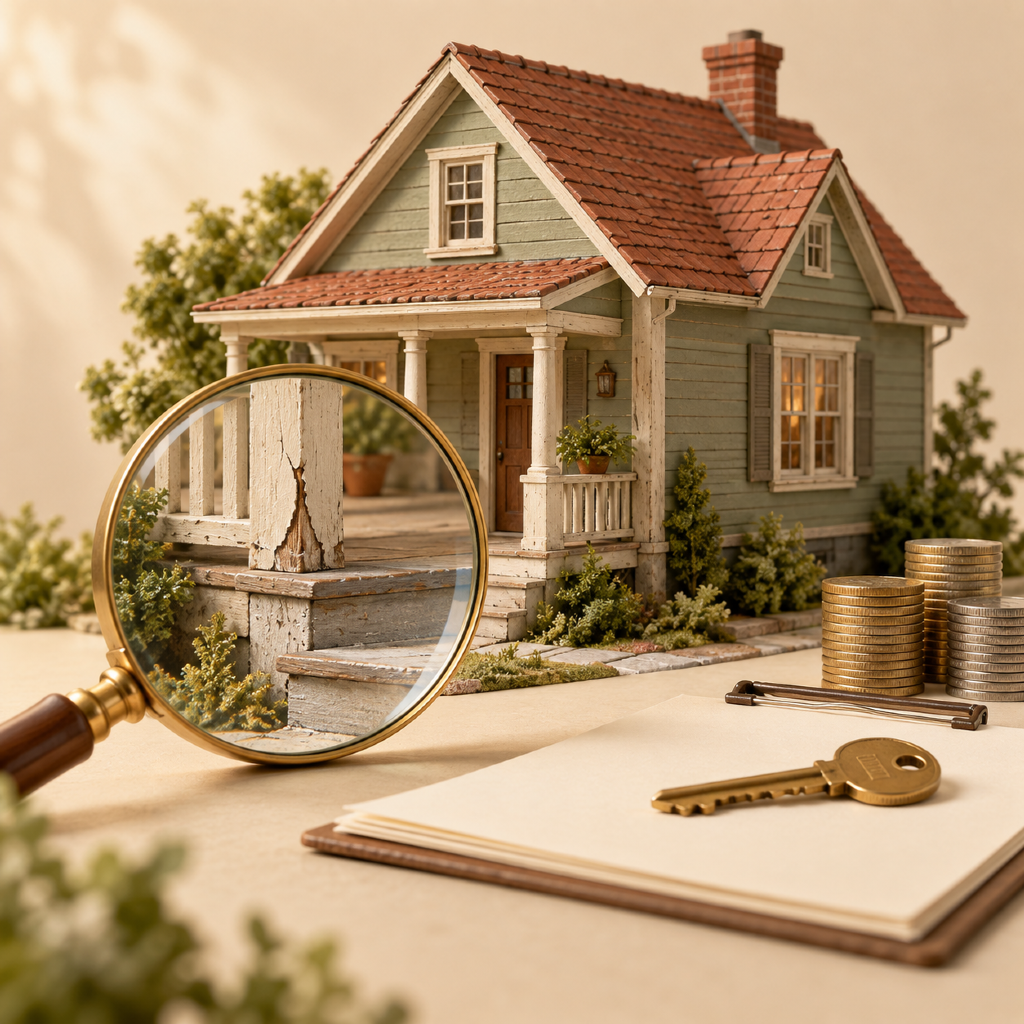
Buyers notice deferred maintenance, such as roof leaks, outdated wiring, or foundation issues. Addressing necessary repairs often has more impact than adding luxury features. Overlooking these fundamentals can raise red flags for buyers and home inspectors.
How Can You Prioritize Renovation Projects?
Evaluating your home’s current condition
Start with an honest assessment of your property. Note any signs of wear and tear, outdated finishes, or repair needs. A pre-listing inspection can be helpful in identifying less obvious issues that could become negotiation points during the sale.
Aligning with neighborhood expectations
Research recent sales and open houses in your area. Look for patterns—are upgraded kitchens common? Do buyers expect finished basements? Matching the features of comparable homes helps ensure you’re meeting market expectations without overspending.
Are There Renovations That Rarely Pay Off?
Luxury upgrades with limited buyer interest
Projects such as wine cellars, spa bathrooms, or built-in entertainment systems may add enjoyment for you, but don’t always resonate with buyers. High-cost, specialized features generally appeal to a narrower section of the market and may not increase your final sale price.
Personalized features and resale risks
Bold paint colors, custom murals, or hobby-specific rooms can make your home feel unique, but they also make it harder for buyers to see themselves living there. When getting ready to sell, aim for broad appeal by sticking to neutral finishes and easily changeable décor.