Key Takeaways
-
Buyers in 2025 value honesty and clarity about a property more than surface-level updates, meaning that openness about condition, history, and costs can build trust faster than cosmetic renovations.
-
Offering documentation, disclosures, and clear communication from the very beginning establishes credibility, attracts serious buyers, and often leads to smoother negotiations and faster sales.
Why Honesty Sets You Apart
When you decide to sell your home, you might first think about painting walls or replacing fixtures. While upgrades can improve appeal, what truly sets your listing apart is how transparent you are. In today’s real estate market, buyers are cautious and informed. They research neighborhoods, compare property histories, and study pricing trends before even stepping inside. If your listing feels guarded or unclear, many buyers lose confidence quickly.
Trust is the cornerstone of any major financial decision, and selling a home is no exception. By leading with transparency, you are not just selling four walls and a roof; you are offering confidence in a transaction that carries both financial and emotional weight.
The Growing Demand for Transparency in 2025
Buyers now expect more details than ever before. In 2025, digital platforms provide access to public records, property histories, and neighborhood data instantly. That means hiding information is nearly impossible. Instead of trying to gloss over issues, you can use full disclosure as a way to distinguish your property and show integrity.
When you openly address previous repairs, routine maintenance, or even existing challenges, buyers perceive you as trustworthy. This proactive approach eliminates the suspicion that often lingers when information is missing. In fact, many buyers view transparency as a sign that the seller values fairness, which can speed up decision-making.
How Disclosures Create a Stronger Sale
Most states require mandatory disclosures, but going beyond the minimum often works in your favor. Instead of waiting for the home inspection to reveal potential concerns, share them upfront. This may include:
-
Age of major systems like HVAC, roof, and water heater
-
Documentation of past repairs or upgrades
-
Any insurance claims related to damage
-
Property boundaries, zoning restrictions, or easements
-
Known maintenance needs buyers may face within the next 5 years
By addressing these points before negotiations even begin, you reduce the chance of surprises that derail deals. Buyers appreciate knowing what to expect, and often, they are willing to accept minor flaws if they feel they are dealing with an honest seller.
The Power of Pre-Listing Inspections
A pre-listing inspection is one of the most effective tools for promoting transparency. Although not required, it gives you a detailed report of your home’s condition before it goes to market. Buyers who see a pre-inspection report immediately feel reassured that you have nothing to hide.
The timeline also benefits you. By getting the inspection before listing, you have time to:
-
Address critical repairs that may affect the value
-
Decide which cosmetic issues can remain disclosed without fixing
-
Price your home realistically with knowledge of existing conditions
This upfront effort saves weeks of back-and-forth after an offer is made. Instead of renegotiating due to surprise findings, you enter negotiations with shared knowledge.
Pricing Transparency Eliminates Doubt
One of the quickest ways to build trust is by setting a price that aligns with market realities. Overpricing often creates suspicion that a seller is trying to test the market or conceal hidden problems. Buyers compare listings daily, and a home that seems out of sync with recent sales raises red flags.
By working with a licensed agent to perform a comparative market analysis (CMA), you can price your home based on actual data. Sharing this rationale with buyers, or having your agent explain it, demonstrates that your pricing is grounded in fact rather than guesswork. This transparency reassures buyers that they are entering a fair negotiation.
Timelines and Communication Matter
Transparency is not just about facts and documents. It also applies to how you communicate timelines and processes. Buyers want to know:
-
How soon they can move in after closing
-
Whether you need extra time to relocate
-
If certain appliances or fixtures are included in the sale
-
What deadlines exist for inspections, appraisals, or financing contingencies
Being clear about these details from the start prevents misunderstandings. For example, stating upfront that you need 30 days post-closing occupancy to move avoids last-minute conflicts. Buyers prefer predictable timelines and value sellers who respect their time.
Financial Transparency Helps Buyers Plan
Selling a home involves costs for both sides. While buyers handle mortgage approvals, appraisals, and closing costs, they also want clarity about what you are covering. You can strengthen trust by being upfront about:
-
Which closing costs you are willing to contribute toward
-
Any homeowner association (HOA) fees tied to the property
-
Average utility costs for different seasons
-
Property tax amounts and when they are due
This type of transparency helps buyers calculate affordability more accurately. Instead of fearing hidden expenses, they feel empowered to make confident decisions.
Renovations vs. Transparency: Where Value Really Lies
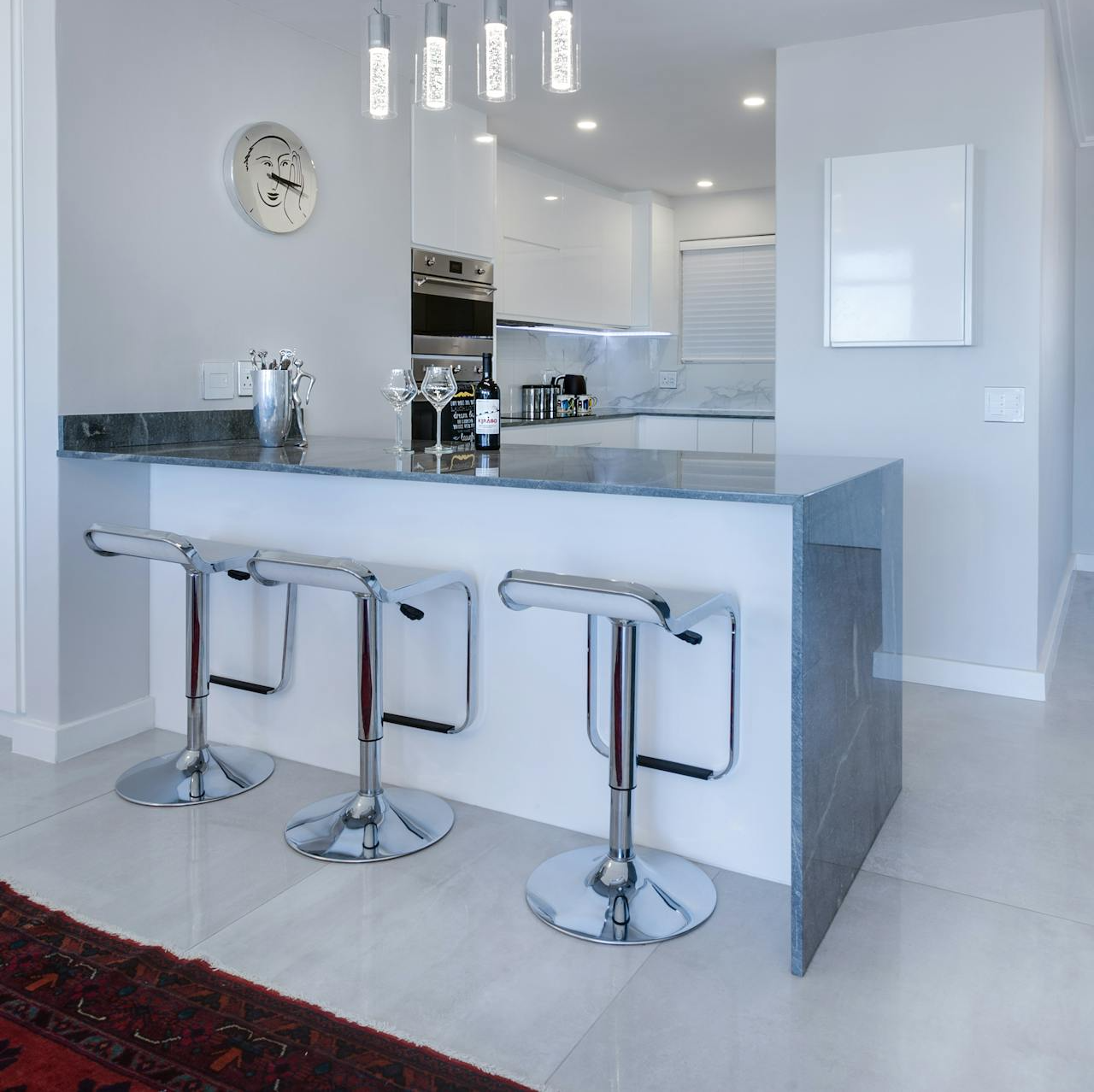
It is tempting to believe that a modernized kitchen or bathroom will win buyers instantly. While upgrades can add appeal, the reality is that trust often carries more weight. A flashy renovation may catch attention, but if buyers suspect undisclosed problems lurking behind new paint or tiles, hesitation sets in.
Transparency, on the other hand, ensures that buyers see value in both the home and in the transaction. When faced with two similar homes, one with recent renovations but limited disclosure, and one with average finishes but complete transparency, many buyers choose the latter. They prefer peace of mind over uncertainty.
Technology Supports Transparency
Modern tools make it easier to demonstrate honesty. Sellers in 2025 can use technology to strengthen buyer trust by providing:
-
Digital folders with scanned warranties, receipts, and maintenance logs
-
3D virtual tours that show the full property layout
-
Online disclosure forms accessible before showings
-
Secure document-sharing platforms to track updates during the sale
These tools create efficiency and reinforce credibility. Buyers no longer want to chase down information. When you provide it upfront, you signal respect for their time and decision-making process.
Emotional Reassurance Through Openness
Beyond the financial side of real estate, selling a home also touches emotions. Buyers are not only investing in a property but also envisioning their future within it. Uncertainty breeds anxiety, which slows decision-making. Transparency reduces that anxiety.
When you openly acknowledge what works well and what may need attention, you give buyers the emotional reassurance they need. This makes them more likely to commit quickly and with confidence.
Building Long-Term Reputation
Selling a home is a single transaction for you, but it has long-lasting ripple effects. Buyers who feel they were treated fairly often share positive feedback with friends, neighbors, or even online reviews. A transparent approach not only helps you sell faster but also protects your reputation for future real estate endeavors.
Even if you do not plan to sell again soon, your reputation in the community matters. Transparency today strengthens trust tomorrow.
How Transparency Speeds Up the Sale
To see how this plays out in real time, consider the sequence of events in a typical transaction:
-
Listing Phase: Transparency builds early interest and attracts serious buyers who value clarity.
-
Offer Phase: Open disclosures reduce negotiation friction and minimize last-minute surprises.
-
Inspection Phase: Pre-inspection reports prevent deals from collapsing under unexpected issues.
-
Closing Phase: Clear financial and timeline communication ensures a smoother handoff.
At each stage, transparency accelerates the process by eliminating doubts and preventing delays.
Bringing It All Together
In 2025, buyers are more informed and more cautious than ever. Renovations may attract attention, but they cannot replace the confidence that comes from a transparent transaction. By focusing on honesty, documentation, and open communication, you gain credibility that renovations alone cannot achieve.
If you want to position your property for success, start by evaluating how transparent you are. Share more than required, anticipate buyer questions, and be clear about both strengths and weaknesses. This approach earns trust, builds momentum, and helps you achieve a faster and more reliable sale.
Get in touch with a licensed agent listed on this website to learn how you can create a transparent strategy that draws buyers in with confidence.