
Key Takeaways
-
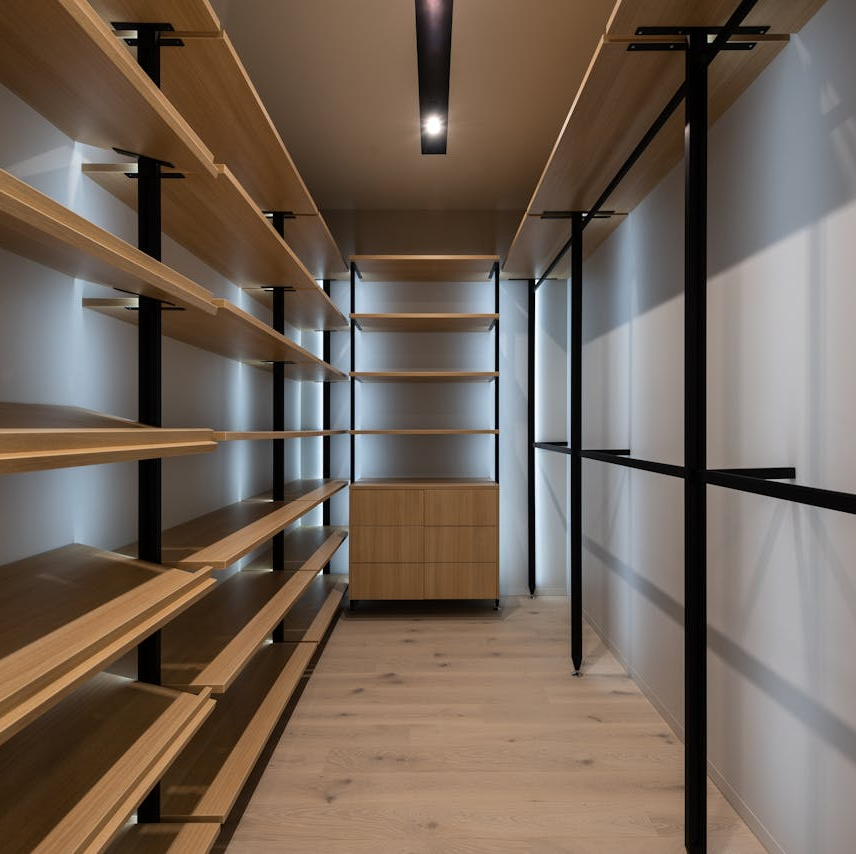
Empty closets highlight space and potential, allowing buyers to imagine their belongings without distraction.
-
Decluttering before showings creates a sense of order and adds value to your home in the eyes of buyers.
Why Closets Influence Buyer Decisions
Closets are more than simple storage spaces. They serve as silent indicators of how functional and livable a home feels. When a buyer opens a closet door, they are not just looking for shelving or a rod for hangers. They are mentally assessing how well their own lifestyle fits into the space.
If a closet is packed, buyers often perceive it as too small or insufficient. On the other hand, an empty or lightly staged closet conveys openness and possibility. This psychological effect can shape how buyers evaluate not just the storage, but the entire home.
The Psychology of Empty Spaces
Empty spaces in a home invite imagination. When buyers see an empty closet, they project their own belongings into it. This mental exercise creates emotional connection and confidence that the home can fit their needs.
Conversely, filled closets signal limitations. Even if your home offers ample storage, clutter can unintentionally communicate scarcity. Buyers may conclude they would also struggle with space in the home.
Why Minimalism Works Best
Minimalist staging works because it highlights function without overwhelming the eye. By keeping closets nearly empty, you allow buyers to:
-
Visualize their storage needs
-
See the true depth and height of the space
-
Interpret the home as well-maintained and organized
A closet with only a few carefully arranged items looks intentional, not crowded. The goal is to show potential, not your personal life.
How Closets Impact Perceived Value
Perceived value matters in real estate as much as actual square footage. An empty or decluttered closet adds intangible value by creating the impression of a home that is larger, brighter, and more accommodating.
Buyers tend to equate order with quality. A clean, empty closet can suggest the entire home has been thoughtfully cared for. This perception often translates into stronger offers and faster sales.
Preparing Closets Before Listing
If you are preparing your home for sale, your closets deserve as much attention as your kitchen or living room. Follow these steps before listing:
-
Declutter completely: Remove seasonal clothing, shoes, and storage bins.
-
Deep clean: Dust shelving, wipe walls, and vacuum floors inside closets.
-
Repair and refresh: Patch scuffs, replace broken hardware, and repaint if needed.
-
Stage sparingly: Use a few hangers or neatly stacked linens to avoid a sterile look.
-
Maintain during showings: Revisit closets regularly to ensure they remain tidy.
How Buyers React During Showings
Most buyers check every closet. In fact, they often open closets before exploring the rest of a room. A well-prepared closet can set a positive tone early in the showing.
An empty closet creates a moment of pause. Instead of seeing your life spilling into the space, buyers see themselves there. This small moment of connection often leads to an overall better impression of the home.
Why Empty Closets Shorten Selling Timelines
Homes that present clean, open closets tend to sell faster. Buyers are more decisive when they feel confident about storage. Instead of hesitating over whether a home can meet their needs, they move toward making an offer.
By contrast, cluttered closets can introduce doubt. Even if the home is otherwise ideal, storage concerns can delay offers or lead buyers to keep searching. Addressing closets upfront reduces friction in the decision-making process.
The Link Between Organization and Offers
Order creates trust. A buyer who sees neat, empty closets assumes the home has been well-maintained. This trust can encourage them to offer closer to asking price. In some cases, organized storage may even spark competition among buyers.
Conversely, disorganized closets suggest hidden problems. Buyers might wonder if the home has been neglected in other ways. The effect is subtle but powerful in shaping negotiation dynamics.
Costs and Timeframes for Preparing Closets
Decluttering closets requires more time than money. On average, preparing closets for sale may take one to two weekends depending on the size of the home. Costs are minimal, usually limited to cleaning supplies, touch-up paint, and perhaps a few storage solutions to help with organization.
When compared to other pre-sale preparations like landscaping or staging furniture, closet work is one of the most cost-effective improvements. Yet its impact on buyer perception is disproportionately high.
How Empty Closets Support Staging Efforts
Professional stagers often advise clients to keep closets bare. This aligns with the broader principle of depersonalizing a home before selling. Empty closets ensure that nothing distracts buyers from seeing the house itself.
Closets that appear spacious reinforce the effects of other staging efforts. They enhance the flow of the showing, making the entire home feel cohesive, open, and ready to move into.
Balancing Practicality With Presentation
Of course, you still live in your home during the selling process. It may not be possible to keep every closet completely empty. In such cases, prioritize:
-
Entry closets that buyers check first
-
Bedroom closets where storage is most scrutinized
-
Linen closets that hint at household organization
Store non-essential items off-site if necessary. The goal is not perfection, but creating the strongest impression possible during showings.
Why Timing Matters in Closet Preparation
Closet preparation should begin as soon as you decide to sell. Starting early ensures you are not overwhelmed right before listing. A timeline could look like this:
-
Four weeks before listing: Begin decluttering and donating items.
-
Two weeks before listing: Deep clean and repair closets.
-
One week before listing: Stage lightly and ensure closets are photo-ready.
-
During showings: Revisit closets weekly to maintain order.
This structured approach minimizes stress and maximizes the impact of your efforts.
Creating Emotional Appeal Through Simplicity
Empty closets contribute to the emotional journey of a buyer. They symbolize readiness and opportunity. When buyers sense that a home is spacious and adaptable, they are more likely to picture their life unfolding there.
This emotional appeal is difficult to achieve with crowded spaces. Simplicity wins because it whispers possibilities instead of shouting limitations.
Final Thoughts on Empty Closets and Buyer Perception
Empty closets are small details that create big results. By prioritizing decluttering and thoughtful presentation, you enhance your home’s overall appeal and shorten its time on the market. Storage is never just storage; it is a selling point that shapes buyer psychology.
If you are preparing to sell, take the time to clear your closets now. This step, though simple, may influence the speed and value of your sale. For personalized advice tailored to your home and market, get in touch with a licensed agent listed on this website.