Key Takeaways:
- Choosing the right real estate agent can significantly impact the success of your home sale, from setting the right price to closing the deal efficiently.
- Key factors to consider include the agent’s experience, credentials, marketing strategy, communication skills, and personal fit with you.
Choosing the Right Real Estate Agent: Selling Your Home
Selling your home is a significant financial and emotional undertaking, and choosing the right real estate agent can make a world of difference. The right agent will help you navigate the complexities of the market, set a competitive price, and attract serious buyers. Here’s a comprehensive guide to help you choose the right real estate agent for selling your home.
Understand the Role of a Real Estate Agent
Before diving into the selection process, it’s essential to understand what a real estate agent does. A real estate agent acts as your advocate throughout the home-selling process. Their responsibilities include:
- Pricing Your Home: Using market analysis to set a competitive price.
- Marketing: Creating and executing a marketing strategy to attract buyers.
- Negotiating Offers: Handling negotiations to get the best possible price and terms.
- Paperwork: Managing all the necessary documentation and legal requirements.
- Closing the Sale: Guiding you through the closing process to ensure a smooth transaction.
Understanding these roles will help you identify what to look for in an agent and set clear expectations.
Look for Experience and Expertise
Experience is one of the most critical factors in choosing a real estate agent. An experienced agent has a deep understanding of the market, knows how to handle various challenges, and can provide valuable insights. Here’s how to assess an agent’s experience:
- Years in the Business: While not the only indicator of success, more years in the industry can mean more experience and a better understanding of the market.
- Track Record: Look at the number of homes they’ve sold in the past year. Successful agents often have a higher volume of sales.
- Local Market Knowledge: Ensure they have extensive experience in your local market. Local expertise means they understand neighborhood trends, pricing, and buyer preferences.
An experienced agent can provide you with a strategic advantage, making the selling process more efficient and effective.
Check Credentials and Licensing
A licensed real estate agent is required to meet certain standards and follow regulations, ensuring a level of professionalism and expertise. Here’s what to check:
- State Licensing: Verify that the agent is licensed in your state. You can typically do this through your state’s real estate commission website.
- Professional Designations: Look for additional credentials and designations, such as Certified Residential Specialist (CRS) or Accredited Buyer’s Representative (ABR). These indicate specialized training and expertise.
- Affiliations: Membership in professional organizations, like the National Association of Realtors (NAR), suggests a commitment to industry standards and continuing education.
Checking credentials ensures you are working with a qualified professional who adheres to industry standards.
Read Reviews and Ask for References
Reviews and references provide insight into an agent’s reputation and performance. Here’s how to gather and evaluate this information:
- Online Reviews: Look at reviews on websites like Zillow, Realtor.com, and Google. Pay attention to recurring themes in both positive and negative reviews.
- Testimonials: Ask the agent for testimonials from past clients. These can provide a snapshot of their strengths and weaknesses.
- References: Request contact information for recent clients and follow up with them. Ask about their experience, the agent’s communication, and the outcome of their sale.
This feedback can give you a realistic picture of what it’s like to work with the agent.
Assess Their Marketing Strategy
A strong marketing strategy is crucial for attracting potential buyers and selling your home quickly and for the best price. Here’s what to consider:
- Online Presence: Ensure the agent uses online platforms effectively, including listing services like MLS, social media, and real estate websites.
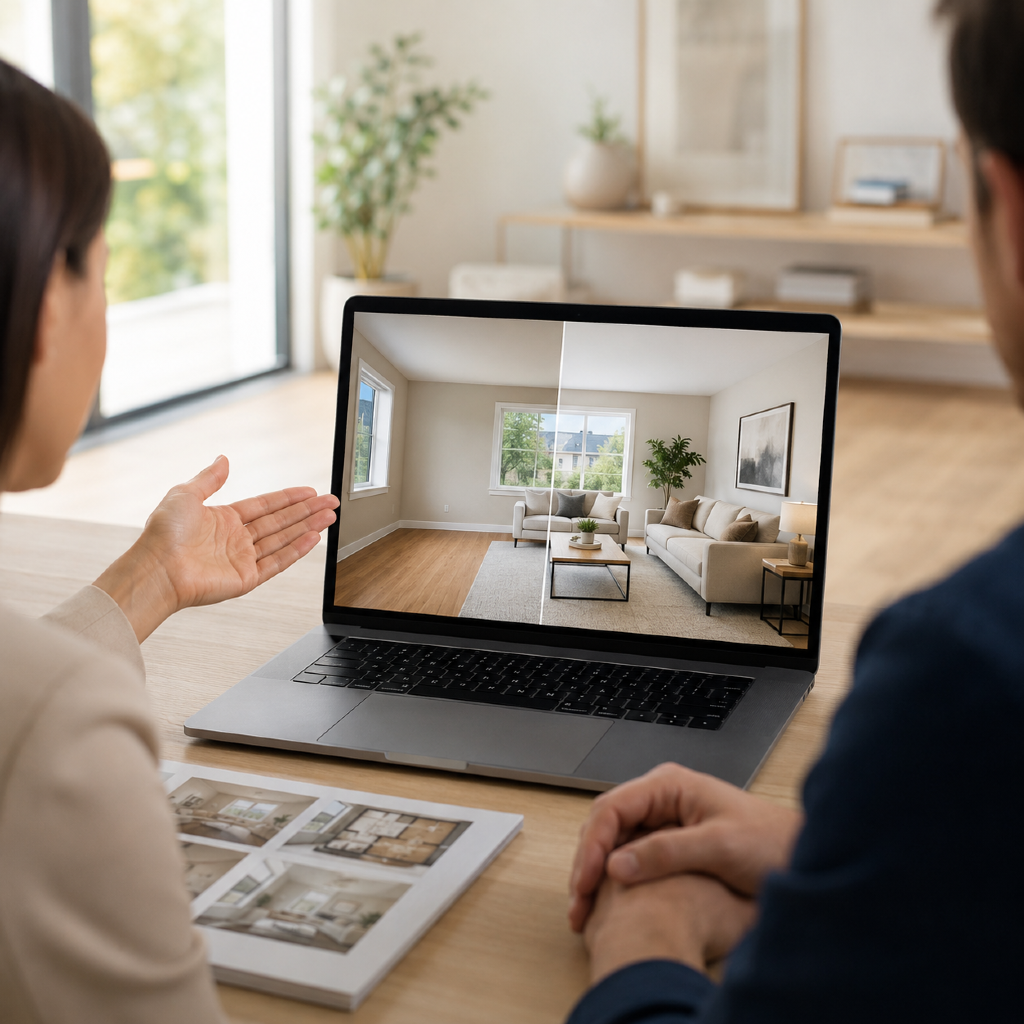
- Photography and Staging: High-quality photos and home staging can significantly impact buyer interest. Ask if they provide professional photography and staging services.
- Open Houses and Showings: Understand how they plan to conduct open houses and private showings. Effective showings can make a significant difference in attracting offers.
- Advertising: Inquire about their advertising strategies, including print, online ads, and direct mail campaigns.
An agent with a robust marketing strategy will maximize your home’s visibility and attract serious buyers.
Evaluate Communication Skills
Effective communication is vital throughout the home-selling process. You need an agent who is responsive, transparent, and keeps you informed. Here’s how to evaluate their communication skills:
- Availability: Ask about their availability and preferred methods of communication. Ensure they can be reached when needed and provide timely updates.
- Transparency: An agent should be upfront about the process, pricing, and potential challenges. They should provide honest feedback and set realistic expectations.
- Listening Skills: They should listen to your needs and preferences, tailoring their approach to meet your goals.
Good communication fosters trust and ensures a smoother selling process.
Discuss Commission and Fees
Real estate agents typically earn a commission based on the sale price of the home. Here’s what to discuss:
- Commission Rate: Understand the standard commission rate in your area and what the agent charges. This is usually around 5-6% of the sale price, split between the buyer’s and seller’s agents.
- Additional Fees: Inquire about any additional fees for marketing, staging, or other services.
- Negotiability: Some agents are willing to negotiate their commission, especially in a competitive market.
Ensure you understand the costs involved and that they are in line with the services provided.
Ensure a Good Personal Fit
Finally, it’s essential to choose an agent with whom you have a good personal rapport. Selling a home can be a stressful and emotional process, and having an agent you feel comfortable with can make a significant difference. Here’s what to consider:
- Compatibility: Ensure you feel comfortable discussing your concerns and preferences with the agent.
- Trustworthiness: You need to trust that the agent has your best interests at heart and is committed to achieving your goals.
- Professionalism: Look for an agent who conducts themselves professionally, respects your time, and communicates effectively.
A good personal fit can enhance your overall experience and make the selling process more pleasant.
Conclusion: Making the Right Choice
Choosing the right real estate agent is a critical step in selling your home. By understanding their role, looking for experience and expertise, checking credentials, reading reviews, assessing their marketing strategy, evaluating communication skills, discussing commission and fees, and ensuring a good personal fit, you can find an agent who will effectively represent your interests. The right agent will guide you through the process, helping you achieve the best possible outcome for your home sale.