Key Takeaways
- Virtual staging is a digital technique listing agents use to enhance property photos and attract buyers online.
- Sellers should prepare quality photos and clarify expectations with their agent to ensure a smooth, transparent process.
Virtual staging is gaining popularity as more buyers start their home search online, and strong listing photos can make a significant difference in capturing attention. As a seller, you may have questions about how your listing agent manages this process and what you’ll need to get started. Below, you’ll find clear answers to the most common questions about virtual staging and its role in selling your home.
What Is Virtual Staging?
Definition of virtual staging
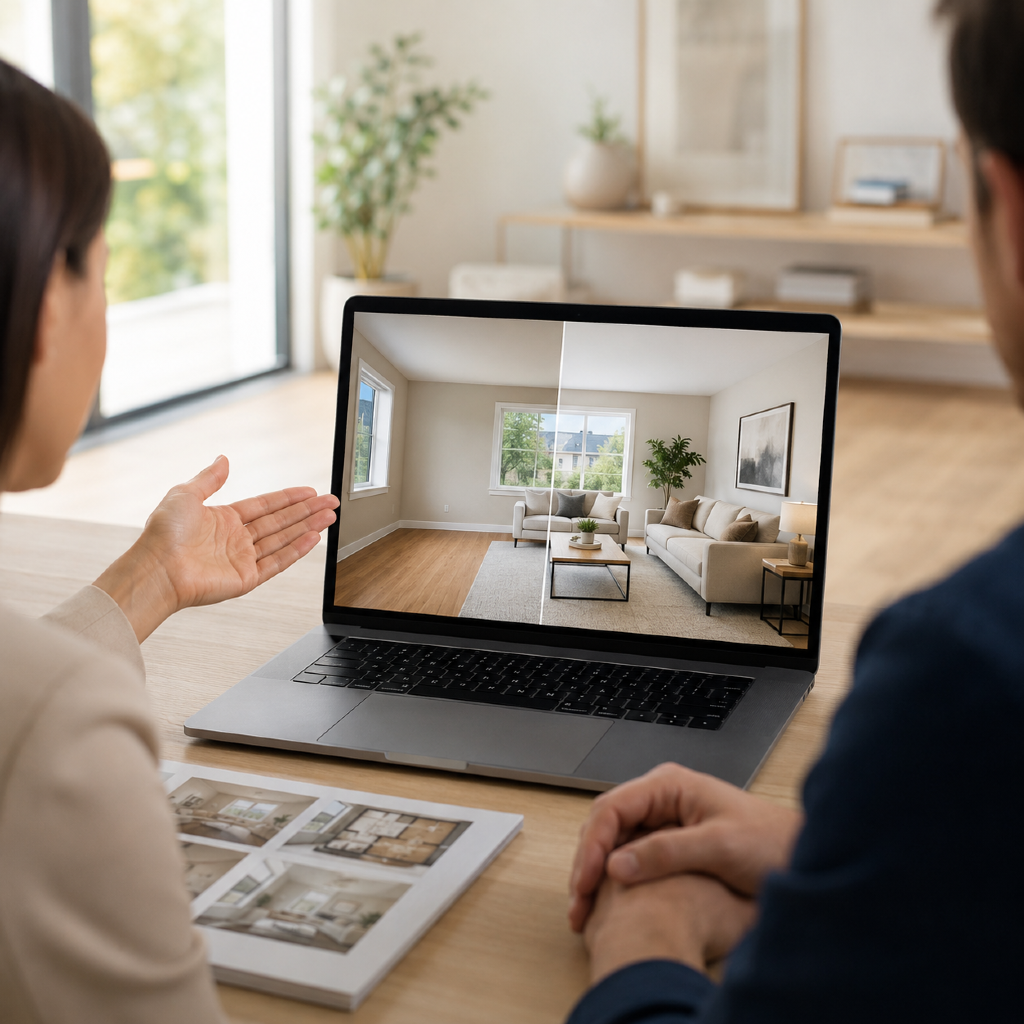
Virtual staging is a digital process where designers use photo-editing software to add furniture, decor, and style elements to images of empty or sparsely furnished rooms. Unlike traditional staging, which brings physical furniture into a home, virtual staging creates realistic visuals that exist only in photographs. These enhanced images help potential buyers envision how they might live in the space.
How virtual staging is created
The process starts with high-quality photos of your property. Professional virtual staging specialists then use software to place digital furniture and accessories into the images. The aim is to make each room appear warm and inviting, giving buyers a better sense of size, layout, and potential. The entire transformation occurs digitally, so your actual home remains unchanged.
Differences from traditional staging
Traditional staging involves renting, moving, and arranging real furniture and decor in your home, often requiring time, labor, and higher costs. With virtual staging, there’s no physical installation—only the listing photos are altered. This approach can offer a quicker turnaround and can be a cost-effective solution for vacant properties or those needing a visual refresh without major expense.
Why Do Sellers Use Virtual Staging?
Aims and common benefits
Sellers and their listing agents use virtual staging to boost a property’s online presence and make it stand out in listing searches. Well-staged photos can help buyers emotionally connect with a property before ever setting foot inside, which can increase interest and scheduled showings.
Visual appeal for buyers
Empty rooms often appear smaller and less inviting online. Virtual staging adds context—buyers can see how rooms might function and imagine their own belongings in the space. This visual story can turn undecorated, hard-to-read spaces into inviting options on a buyer’s shortlist.
Situations where it is useful
Virtual staging is especially practical when a property is vacant, partially furnished, or difficult to stage physically. It can also help present dated interiors or spaces needing light cosmetic improvement in a more favorable light—always ensuring an honest representation of the property’s structure and features.
How Does the Listing Agent Coordinate Virtual Staging?
Step-by-step in collaborating with sellers
Here’s how the process typically unfolds:
- Initial consultation: Your agent discusses staging goals, style preferences, and the key areas to showcase.
- Service selection: The agent sources a reputable virtual staging provider who specializes in real estate photography edits.
- Project scope: Together, you review which areas or rooms should be virtually staged, based on buyer appeal and your marketing plan.
Photo selection and instructions
High-resolution, well-lit photos are chosen for staging—these could be new photos taken by a professional or existing images if they meet quality standards. Your agent communicates to the virtual staging provider the desired style (modern, rustic, traditional, etc.), the target buyer demographic, and any essential furniture placement or room function to highlight.
Reviewing and approving staged images
When the staged images are ready, your agent will review them with you. This is your opportunity to give feedback—maybe a color looks unrealistic or a piece of digital furniture seems out of place. The agent will request necessary edits to ensure the images are both visually appealing and an accurate, fair depiction of the home. Once approved, these photos are uploaded to your listing, always complying with real estate advertising standards.
What Sellers Need Before Starting?
Clear, high-resolution photos
Quality images are the foundation of successful virtual staging. You’ll need clear, high-resolution photos that accurately show each room’s layout, size, and features. If your current photos aren’t suitable, your agent may recommend scheduling new ones with a professional real estate photographer.
Understanding property condition
Virtual staging can enhance a space, but it shouldn’t hide major flaws or condition issues. Be upfront with your agent about any repairs, blemishes, or quirks. Accurate representation helps build trust and reduces surprises during property showings.
Timeline and communication
Talk with your agent about your listing timeline and desired launch date. Virtual staging typically takes a few days for edits and revisions—occasionally longer for multiple rooms or complex projects. Keeping communication clear will help set expectations and avoid any last-minute delays.
What Should I Ask My Agent About Virtual Staging?
Choosing a staging style
Ask your agent for advice on the staging style that will best appeal to likely buyers in your area. Popular styles include contemporary, minimalist, or even family-focused themes, but your agent can provide insight based on recent sales and buyer trends.
Accuracy and image editing rules
Make sure you understand local real estate guidelines for listing photographs. Ask your agent what editing is permissible. Images should never mislead buyers about the property’s features, size, or quality—digital enhancements must remain within ethical and legal boundaries.
Previewing and approving the results
Request to see all staged images before they go live. Working with your agent, you can approve edits or suggest changes to ensure photos look both attractive and truthful. This quality check protects you as a seller and ensures buyers have a clear sense of what to expect.
Are There Drawbacks to Virtual Staging?
Potential for buyer confusion
If buyers see virtually staged photos online and then tour an empty property, they may feel confused or disappointed. To avoid misunderstandings, always disclose when photos have been digitally staged—this level of transparency builds trust from the start.
Disclosure requirements
Real estate advertising rules in your area may require disclaimers on virtually staged images. Your agent should ensure that all consumer protection guidelines are followed and that the listing is accurate, honest, and compliant.
Managing buyer expectations
Virtual staging enhances appearance but isn’t a substitute for real home features or updates. It’s important that buyers know what’s real and what’s virtual—open communication and proper disclosure can help manage expectations during showings.