
Key Takeaways
-
Virtual tours have become a standard expectation among serious buyers in 2025, offering convenience, transparency, and a deeper sense of property engagement before in-person visits.
-
Sellers who invest in high-quality virtual tours attract more qualified buyers, reduce wasted showings, and often achieve faster and more competitive offers.
The New Digital First Impression
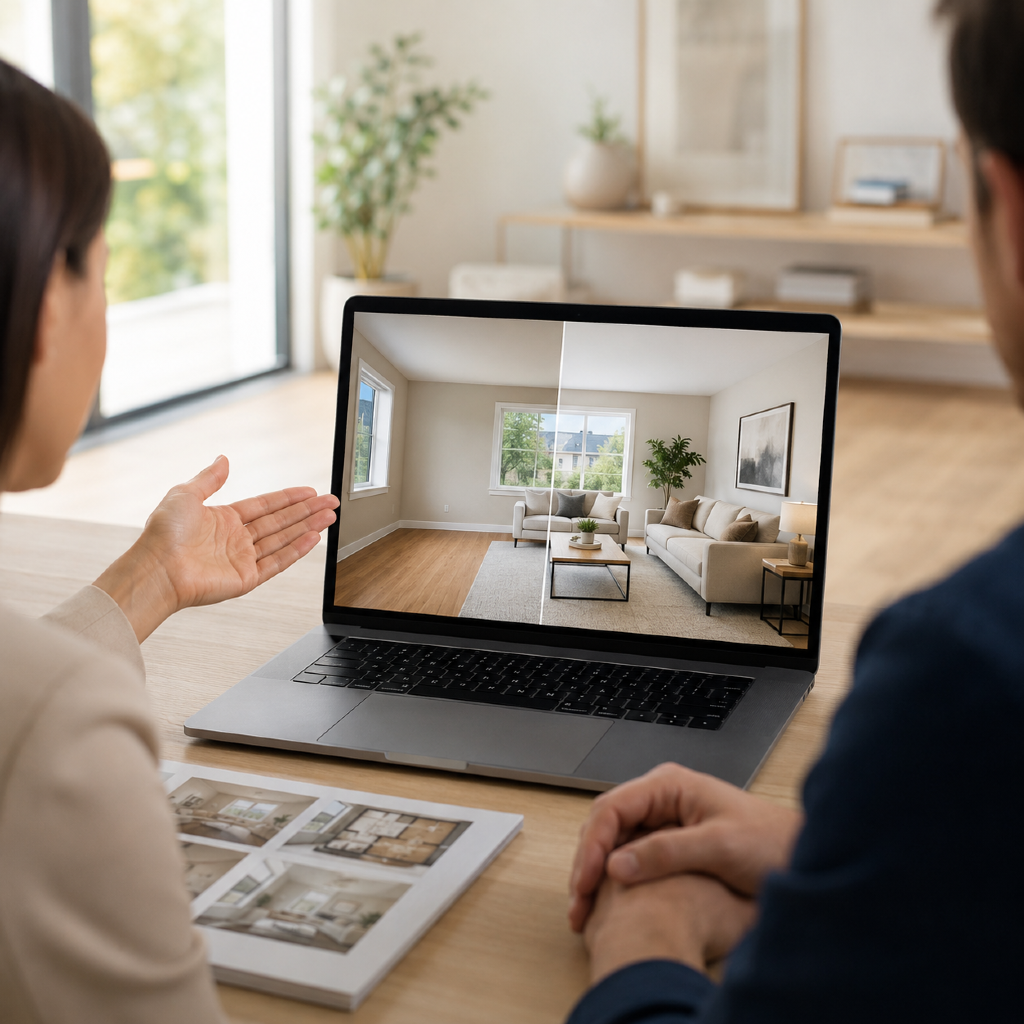
When potential buyers search for homes today, the very first interaction often takes place online. Photos alone are no longer enough to capture their attention. Virtual tours are now the centerpiece of online listings, providing buyers with a realistic and immersive sense of your property. In 2025, skipping this tool risks making your listing invisible to serious buyers.
Buyers now form strong impressions within minutes of opening a listing. If they can explore your property in detail before stepping inside, they develop a stronger attachment and may even start picturing themselves living there. Without that engagement, many will move on to the next property that offers a richer experience.
Why Buyers Now Expect Virtual Tours
Buyers increasingly demand efficiency and transparency in their home search. Virtual tours meet these needs by allowing them to:
-
Walk through the home remotely at any time of day.
-
Explore every corner, from the kitchen layout to closet space.
-
Evaluate the flow of rooms and how natural light fills the home.
-
Narrow down their choices without committing to multiple in-person visits.
-
Share the tour easily with family members and advisors for feedback.
This digital engagement helps buyers filter homes more effectively, ensuring that by the time they schedule a showing, they already have genuine interest. It also saves buyers valuable time, particularly those relocating from other states or with limited availability for travel.
The Competitive Edge For Sellers
By offering a virtual tour, you immediately set your property apart from listings that rely solely on photos. The competitive advantages include:
-
Higher visibility online: Listings with tours consistently receive more clicks and longer viewing times.
-
More qualified showings: Buyers who book in-person tours after viewing a virtual tour are often serious contenders.
-
Fewer wasted visits: You avoid unnecessary disruptions from casual browsers who may quickly dismiss your property in person.
-
Faster offers: Buyers who feel confident in a home’s layout and features tend to make decisions more quickly.
-
Stronger negotiating position: Buyers who already feel connected to the property are more likely to make competitive offers.
In 2025, buyers are drawn to listings that provide more information upfront. When they feel empowered with details, they reward sellers with quicker engagement and stronger offers.
How Virtual Tours Influence Buyer Psychology
A well-designed virtual tour does more than display the home. It influences perception and emotion. Buyers feel more connected when they can move through the home at their own pace. This builds confidence and fosters a sense of familiarity, which is often what prompts them to make an offer.
Psychologically, buyers interpret transparency as a signal of trustworthiness. When they can virtually explore every space without limitation, they believe the seller has nothing to hide. This creates a sense of comfort and reduces hesitation. On the other hand, a listing without a virtual tour can seem incomplete, leading buyers to question what might be missing.
Additionally, buyers in 2025 have grown accustomed to digital tools in every aspect of life, from remote work to online shopping. They now expect the same level of convenience when making one of the biggest financial decisions of their lives.
What Sellers Should Prioritize In A Virtual Tour
Not all virtual tours deliver the same impact. To ensure yours resonates with buyers, focus on:
-
Clarity and resolution: Poor-quality visuals can harm more than help.
-
Navigation ease: Allow buyers to move smoothly from one room to another.
-
Attention to lighting: Showcase the property in natural light when possible.
-
Complete coverage: Highlight every space, including hallways, storage, and outdoor areas.
-
Contextual flow: Present the home in a logical order that mirrors how someone would walk through in person.
-
Inclusion of details: Show built-in shelving, upgraded finishes, and energy-efficient features that may otherwise go unnoticed.
Adding annotations such as room dimensions or unique highlights can further guide buyer attention, helping them see the value of your property more clearly.
Costs and Returns of Virtual Tours
Creating a professional-quality virtual tour requires some upfront investment. While costs vary depending on property size and the level of detail, most sellers find that the return is substantial. Homes with virtual tours often spend fewer days on the market and may achieve stronger offers, offsetting the initial expense.
For many buyers, the absence of a virtual tour is a red flag. They may assume the seller is hiding flaws or not serious about selling. That perception alone can cost you potential buyers.
Additionally, the ability to attract out-of-area buyers can widen your pool of prospects. Buyers relocating from across the country may rely heavily on virtual tours before committing to travel. This can significantly expand your property’s reach and bring in buyers who otherwise may never have considered it.
Virtual Tours and Buyer Timeframes
In 2025, buyers tend to move faster once they find a property that fits their criteria. Virtual tours shorten the decision timeline by weeks in many cases. Instead of juggling multiple open houses and showings, buyers rely on tours to quickly identify their top contenders. Sellers benefit because this accelerates the path from listing to offer.
For sellers, this means less time spent preparing for unnecessary showings, fewer disruptions to daily life, and quicker movement toward closing. When buyers feel confident enough to make offers sooner, sellers experience reduced market risk and often achieve better financial outcomes.
Aligning With Broader Market Trends
The shift toward digital-first real estate practices began years ago, but it accelerated after 2020 when remote interactions became common. By 2025, this is no longer a trend but the norm. Virtual tours are now as essential as listing photos once were. They align with buyers’ expectations for transparency, access, and speed.
Real estate platforms increasingly highlight properties with virtual tours, boosting their visibility in search results. This integration into the broader market ecosystem reinforces why sellers cannot afford to skip this step. Buyers actively filter listings based on the availability of tours, making it a clear differentiator.
Common Mistakes To Avoid
While virtual tours are powerful, certain missteps can undermine their effectiveness:
-
Overlooking staging: Empty or cluttered rooms can look unappealing in a 360-degree format.
-
Skipping outdoor views: Buyers want to see yards, patios, and exterior features.
-
Using outdated footage: Seasonal or outdated visuals create doubt about the property’s current condition.
-
Ignoring mobile users: Ensure the tour is optimized for smartphones, where many buyers begin their search.
-
Rushing the process: A hastily made tour may highlight flaws instead of strengths.
Avoiding these mistakes ensures that your virtual tour serves as an asset rather than a liability.
The Future of Virtual Tours
Technology continues to evolve. Features such as interactive floor plans, integrated measurements, and augmented reality furniture placement are becoming more common. Buyers in 2025 increasingly expect these add-ons, and sellers who adopt them may further enhance buyer engagement.
Future advancements may also include voice-guided tours, AI-driven recommendations, and real-time virtual open houses where buyers can ask questions as they explore. As these tools become mainstream, sellers who stay ahead of the curve will stand out even more in a competitive market.
Looking ahead, the role of virtual tours will only expand. As more buyers conduct entire property searches remotely, the line between digital and in-person home shopping will continue to blur.
Bringing Serious Buyers To Your Door
In today’s market, virtual tours are not optional extras. They are essential tools for attracting qualified buyers, saving time, and achieving the best possible price. A well-executed tour transforms your listing from a flat set of images into an immersive experience that motivates buyers to take the next step.
If you are considering selling your home, now is the time to make sure your listing meets buyer expectations. Get in touch with a licensed agent listed on this website to learn how to create a compelling virtual tour that positions your property for success.