
Key Takeaways
-
Small, inexpensive home fixes can often deliver the highest returns when selling your property.
-
Prioritizing simple updates like paint, lighting, and minor repairs can make your home feel more inviting and market-ready.
Why Small Fixes Matter More Than Ever
When you prepare to sell your home, it is easy to focus on major renovations. However, in 2025, buyers continue to value homes that feel well cared for, rather than ones with costly but unnecessary overhauls. Minor updates not only enhance first impressions but also reduce objections during buyer walkthroughs.
The Psychology Behind Buyer Perception
Buyers often associate small defects with larger hidden problems. A leaky faucet, a squeaky door, or chipped paint may lead buyers to believe the entire property has been neglected. On the other hand, a well-maintained home with fresh details gives buyers confidence that the property has been cared for consistently.
Low-Cost Fixes With High Impact
-
Fresh Paint
Painting walls in neutral tones immediately refreshes a space. It hides wear and tear while appealing to the widest audience. In 2025, the most effective approach remains light, warm shades that brighten interiors and create a sense of openness. -
Lighting Upgrades
Replacing outdated fixtures with modern, energy-efficient lighting can instantly change the atmosphere. Natural light should also be maximized by cleaning windows and removing heavy drapes. -
Hardware Replacements
Swapping out cabinet handles, drawer pulls, and doorknobs provides a surprisingly strong upgrade. These changes modernize the look of kitchens and bathrooms without large expenses. -
Minor Flooring Touch-ups
Buffing hardwood floors, deep cleaning carpets, or repairing cracked tiles can dramatically improve room presentation. Flooring flaws are often deal-breakers, so these adjustments carry strong weight. -
Curb Appeal Enhancements
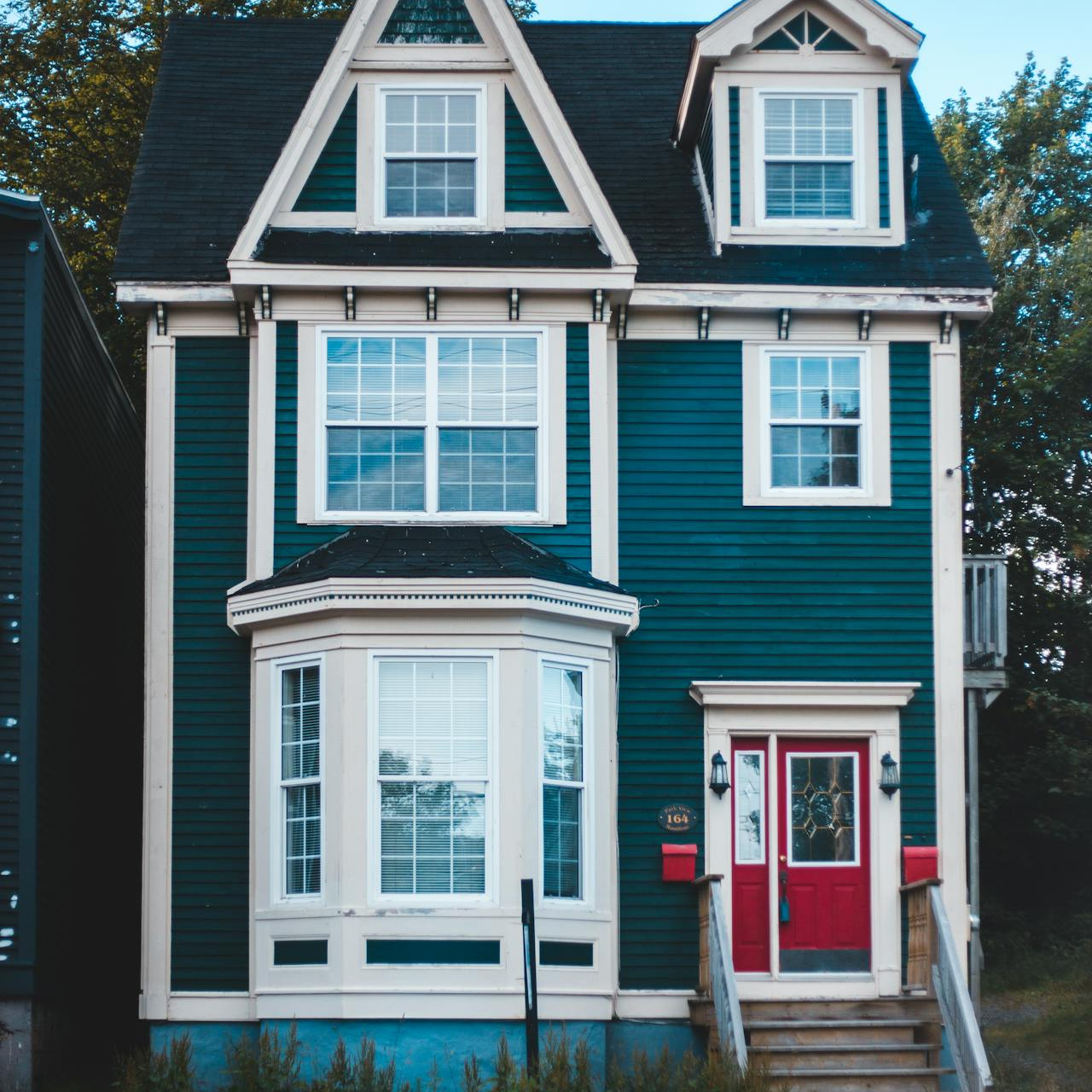
Simple yard work, a freshly painted front door, and new house numbers can elevate the property’s first impression. A buyer’s judgment often starts the moment they pull up.
Repairing Instead of Replacing
Not every feature needs to be brand new. Repairing small issues instead of replacing entire components saves money and often satisfies buyers just as effectively. Examples include:
-
Re-caulking around tubs and sinks.
-
Tightening loose railings.
-
Fixing sticking windows.
These tasks show that you are attentive without overspending.
The Financial Return on Minor Fixes
Industry studies continue to show that small fixes can provide returns far exceeding their cost. For example:
-
Fresh paint often yields a return of 100% or more.
-
Landscaping improvements can increase curb appeal and add thousands to perceived value.
-
Kitchen hardware replacements may cost under $200 but improve buyer perception dramatically.
In contrast, large-scale renovations like full kitchen remodels rarely return their full cost when you sell, especially on a tight timeline.
Timing Your Fixes Before Listing
If you plan to list your home in spring or summer, begin small updates 60 to 90 days in advance. This schedule gives you time to:
-
Complete painting or minor repairs.
-
Deep clean every room.
-
Stage the home without stress.
Rushing improvements just before listing can leave projects unfinished, creating the opposite effect.
Small Fixes That Help Photos Sell Your Home
In 2025, nearly all buyers see your home online first. Photography captures every detail, making minor flaws more noticeable. By addressing small issues before photos are taken, you ensure your property appears polished in listing images. Clean baseboards, even lighting, and smooth walls translate into images that generate more interest.
Avoiding Over-Improvement
While small fixes deliver excellent value, it is important not to over-upgrade. Spending too much on highly personalized choices, such as bold wall colors or luxury fixtures, may not align with buyer preferences. Your goal is to present a home that feels move-in ready, not custom-designed to your exact taste.
Staging Complements Small Fixes
Once the repairs and updates are complete, staging further enhances the appeal. Simple staging strategies include:
-
Rearranging furniture to create open flow.
-
Adding neutral décor that highlights features.
-
Using fresh flowers or greenery for vibrancy.
The combination of staging with minor repairs creates a unified impression of quality.
Seasonal Considerations
Certain fixes are especially impactful depending on the season:
-
Spring: Yard cleanup, mulching, and exterior painting make homes shine as buyers emerge in peak season.
-
Summer: Cooling system maintenance and fresh window treatments help demonstrate comfort.
-
Fall: Gutter cleaning, leaf removal, and warm interior lighting make homes inviting.
-
Winter: Draft sealing and cozy indoor décor emphasize energy efficiency and warmth.
Adjusting small fixes based on the season ensures that your home feels aligned with buyer expectations at the right time.
The Role of Inspections
Pre-listing inspections are becoming more common in 2025. Addressing small repairs before inspection reports are drafted reduces the chance of negotiations falling through. A clean report demonstrates transparency and reassures buyers, potentially speeding up closing timelines.
How Long Do Small Fixes Take?
-
Painting a standard bedroom: 1–2 days.
-
Installing new hardware throughout the kitchen: 1 day.
-
Deep carpet cleaning: 4–6 hours.
-
Basic yard cleanup: 1 weekend.
By planning these tasks strategically, you can complete most fixes within 30–45 days, ensuring readiness before your listing goes live.
Why Buyers Notice the Little Things First
Buyers often remember small details more than larger features. While they may appreciate square footage, they also notice whether doors close smoothly, faucets work properly, and rooms smell fresh. These sensory experiences often drive decision-making more strongly than raw statistics.
Preparing Emotionally and Financially
Selling a home is both a financial and emotional step. Small fixes allow you to maintain control over the process without draining your budget. Instead of worrying about whether you should remodel the kitchen, focusing on manageable updates creates confidence and clarity.
Creating a Balanced Checklist
Before listing, create a checklist that blends both cosmetic updates and functional fixes:
-
Walls and ceilings: paint, patch holes, clean smudges.
-
Fixtures: replace lightbulbs, update handles.
-
Systems: test smoke detectors, service HVAC.
-
Exterior: clean gutters, trim shrubs, repaint door.
Working through this list systematically helps you stay on track and prevents last-minute stress.
Presenting Your Best Home to Buyers
In today’s market, your home competes with numerous others. Small, strategic updates help your property stand out without requiring large financial sacrifices. Buyers respond more strongly to cleanliness, care, and comfort than to extravagant features that they may want to change anyway.
Why Small Fixes Win in 2025
As buyers remain cautious about budgets and rising costs, they prioritize homes that feel ready without added investment. By addressing the small details, you create a powerful perception of value that can lead to faster sales and stronger offers.
Putting These Fixes Into Action
If you are preparing to sell, now is the time to act. Work through small updates methodically, starting with the areas that buyers see first. Once complete, connect with a licensed agent listed on this website to position your home effectively in the market. Their expertise will help you price strategically and attract serious buyers.