Key Takeaways
-
Homes that sell quickly often appeal to subtle psychological triggers, not just practical features.
-
Understanding buyer behavior helps you prepare your home in ways that make it feel irresistible and memorable.
The Psychology Driving Faster Home Sales
When you put your home on the market, the details that attract buyers extend far beyond price and location. While these two factors matter, psychology plays an equally important role in how buyers perceive your home. In 2025, with buyers having access to more information and listings than ever before, the homes that consistently sell faster are the ones that tap into emotional and psychological responses.
First Impressions Shape Buyer Decisions
From the moment a potential buyer sees your listing online or pulls up to your curb, the first impression sets the tone for their entire experience. Research shows that within the first 7 to 10 seconds of entering a property, buyers form a strong opinion about it. That opinion can be difficult to shift, which is why staging and curb appeal are essential.
-
Clean, clutter-free entryways create a sense of order.
-
Fresh paint in neutral tones communicates freshness and flexibility.
-
A well-kept yard suggests ongoing care and attention to detail.
Why Simplicity Creates Comfort
Psychology shows that people feel more at ease in spaces that are open and simple. Overly busy or cluttered homes can overwhelm the senses, making it harder for buyers to imagine themselves living there. In contrast, a minimalist approach allows buyers to project their own lives onto the space.
Simple design choices work in your favor:
-
Removing unnecessary furniture makes rooms feel larger.
-
Neutral décor avoids alienating buyers with bold or niche styles.
-
Balanced lighting creates a welcoming flow throughout the home.
The Role of Familiarity and Safety
Human psychology favors environments that feel safe and familiar. Buyers often seek comfort in spaces that remind them of their ideal home environment. Warm colors, natural light, and a logical room layout reinforce feelings of comfort and trust.
Buyers also subconsciously assess safety cues:
-
Secure locks and visible security features provide reassurance.
-
Well-lit pathways and outdoor spaces reduce subconscious concerns.
-
A functional, intuitive floor plan signals comfort and reliability.
Emotional Anchors in Each Room
Each room in your home triggers different emotional responses. Buyers imagine specific activities taking place, and these mental images can either strengthen or weaken their connection to the property.
-
Living Room: Should feel welcoming and social.
-
Kitchen: Often seen as the heart of the home; cleanliness and functionality matter most.
-
Bedrooms: Buyers expect calm, restful energy.
-
Bathrooms: Cleanliness is crucial; even small updates can dramatically shift perception.
The Influence of Subtle Scents and Sounds
Senses beyond sight also play a role in faster sales. Subtle environmental cues can influence emotions and decision-making.
-
Fresh, clean scents create a subconscious impression of hygiene and care.
-
Quiet spaces free of background noise promote relaxation.
-
Soft background music can encourage buyers to linger and visualize life in the home.
The Importance of Light and Space
Bright spaces often sell faster because they feel open and uplifting. Natural light in particular has a powerful effect on mood. If natural light is limited, strategic lighting can create similar effects.
-
Open curtains and blinds to highlight windows.
-
Use mirrors to reflect light and enhance space.
-
Add layered lighting in dim rooms to prevent shadows.
Pricing Psychology That Speeds Up Sales
The way you set your price can also tap into buyer psychology. Buyers often view homes priced slightly under round numbers (for example, $399,000 instead of $400,000) as better deals, even though the difference is minimal. Anchoring strategies like this create a perception of value that encourages faster offers.
Why Timing Matters in Buyer Psychology
The time your home enters the market also plays into how quickly it sells. In most U.S. markets, homes listed in the spring and early summer tend to sell faster because buyers want to move before school starts. However, in 2025, remote work trends have slightly extended this cycle, giving you opportunities to sell quickly beyond traditional peak seasons.
Subconscious Triggers Buyers Notice Instantly
There are subtle triggers that buyers pick up on almost immediately:
-
The symmetry of a room creates a sense of balance.
-
Fresh, modern fixtures suggest the home is updated.
-
A lack of visible maintenance issues avoids subconscious concerns about hidden problems.
These triggers often matter more than upgrades that require explanation. A fresh, modern bathroom faucet can leave a stronger impression than a new water heater that is hidden from view.
Why Homes With a Story Sell Faster
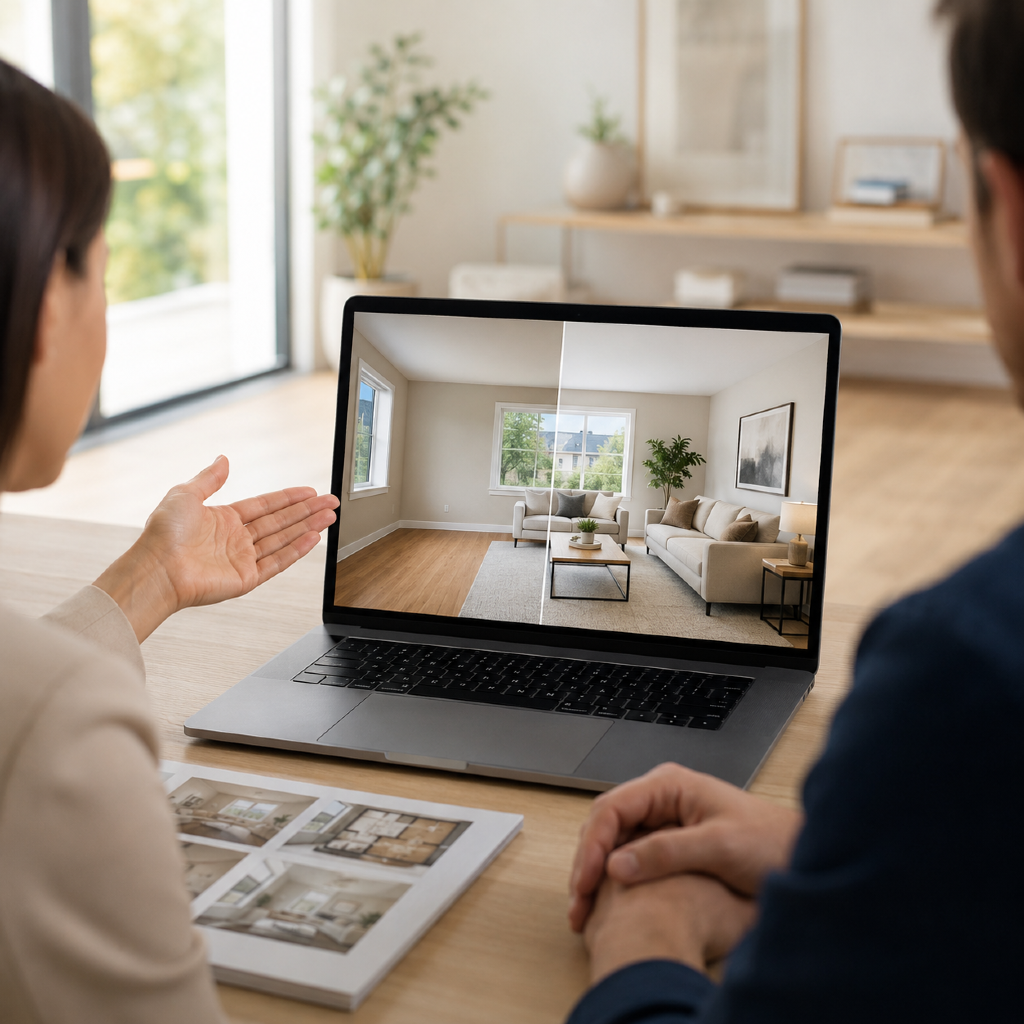
Storytelling creates emotional resonance. When buyers can picture a lifestyle connected to the home, they are more likely to make an offer quickly. Staging that suggests cozy family dinners, peaceful mornings, or productive home office setups helps buyers form these mental stories. They are not buying just four walls; they are buying a vision of their life.
The Power of Visual Consistency
Consistency throughout your home builds confidence. When design choices, colors, and finishes feel unified, buyers sense that the home has been thoughtfully maintained. Inconsistent styles or mismatched finishes can raise doubts and slow down decisions.
Hidden Costs Buyers Consider Subconsciously
Even if you do not mention them directly, buyers think about costs when walking through a home. They mentally calculate what it might take to repaint, repair, or replace outdated features. The fewer projects they anticipate, the faster they are likely to make a move.
-
Newer appliances signal reduced immediate costs.
-
Modern windows and insulation suggest energy savings.
-
Fresh paint prevents buyers from worrying about extra work after move-in.
How Stress-Free Experiences Accelerate Decisions
Buying a home is one of the most stressful decisions a person can make. Sellers who reduce that stress help buyers move forward more quickly. Clear communication, flexible showing times, and professional presentation create a seamless experience that reassures buyers they are making a safe decision.
Balancing Logic and Emotion
While buyers use logic to justify a purchase, emotion drives their initial attraction. A home that speaks to both logical needs and emotional desires consistently sells faster. Price, layout, and location matter for logic. Comfort, beauty, and atmosphere matter for emotion. When you meet both sides, you shorten the selling timeline.
Pulling It All Together
Homes that consistently sell faster share one common trait: they align with human psychology. By understanding what buyers notice, what they feel, and what reassures them, you can prepare your home in ways that make it irresistible.
If you are preparing to sell your home, focus not only on the visible features but also on the subtle psychological cues that shape buyer decisions. The combination of emotional triggers, logical reassurance, and stress-free experiences is what transforms a listing from just another property into one that buyers act on quickly. Get in touch with a licensed agent listed on this website for advice tailored to your situation.