Key Takeaways:
- Successfully negotiating the best price for your home requires a deep understanding of the market and a strategic approach.
- Highlighting your home’s strengths, setting a realistic asking price, and working with a skilled real estate agent can significantly impact the outcome.
How to Negotiate the Best Price for Your Home: 6 Tips for You
Selling your home is a significant financial decision, and getting the best price involves effective negotiation skills. Here are six essential tips to help you negotiate the best price for your home.
Understand the Market
Before entering negotiations, it’s crucial to have a comprehensive understanding of the current real estate market. Market conditions can vary significantly depending on your location, the time of year, and broader economic factors. Here’s how to get a solid grasp of the market:
- Research Recent Sales: Look at recent sales of comparable homes in your area. Pay attention to the final sale prices, not just the listing prices, as these reflect what buyers are actually willing to pay.
- Analyze Market Trends: Understand whether the market is favoring buyers or sellers. In a seller’s market, there are more buyers than available homes, which can drive up prices. In a buyer’s market, there are more homes for sale than buyers, which can put downward pressure on prices.
- Consult Market Reports: Use local real estate market reports to get insights into average days on market, price per square foot, and other key metrics. These reports can provide a broader perspective on market conditions.
By thoroughly understanding the market, you can set realistic expectations and develop a negotiation strategy that aligns with current conditions.
Set a Realistic Asking Price
Setting a realistic asking price is crucial for attracting serious buyers and creating a strong starting point for negotiations. Pricing your home too high can deter potential buyers, while pricing it too low can leave money on the table. Here’s how to set the right price:
- Conduct a Comparative Market Analysis (CMA): A CMA involves comparing your home to similar properties that have recently sold, are currently on the market, or were listed but did not sell. This analysis helps you determine a fair and competitive price.
- Consider Professional Appraisal: Hiring a professional appraiser can provide an objective assessment of your home’s value. This can be especially useful if your home has unique features or if market conditions are fluctuating.
- Evaluate Your Home’s Condition: Be honest about your home’s condition and any necessary repairs. Homes in excellent condition can justify higher asking prices, while those needing significant repairs may need to be priced lower.
Setting a realistic asking price attracts more potential buyers and creates a competitive environment, which can lead to better offers and stronger negotiation leverage.
Highlight Your Home’s Strengths
When negotiating the price of your home, it’s essential to highlight its strengths and unique features. Emphasizing what makes your home special can justify your asking price and make it more appealing to buyers. Here’s how to showcase your home effectively:
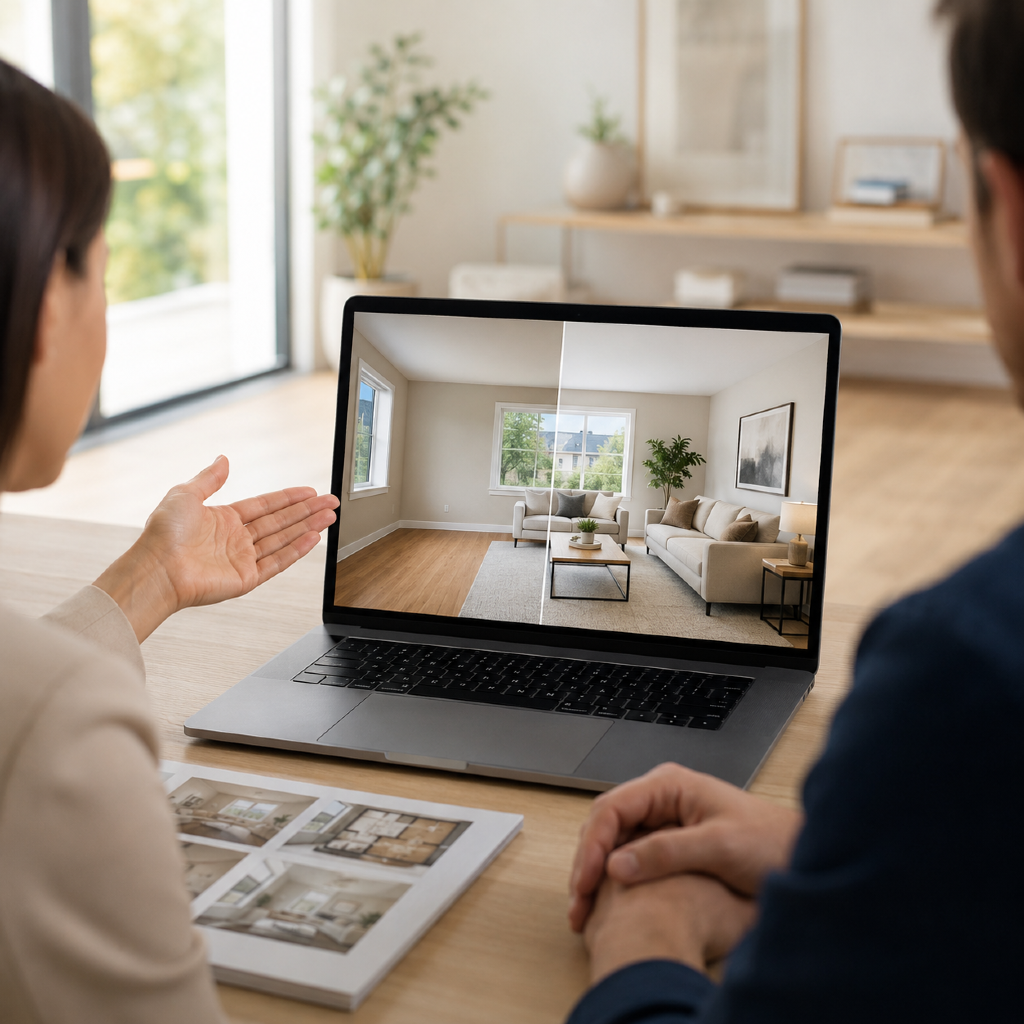
- Create a Detailed Listing: Ensure your online listing includes high-quality photos, a virtual tour, and a detailed description of your home’s best features. Highlight recent upgrades, energy-efficient appliances, and any unique architectural elements.
- Prepare a Home Fact Sheet: Create a fact sheet that buyers can take with them after showings. Include information about the home’s features, recent renovations, neighborhood amenities, and local schools.
- Stage Your Home: Staging your home can make it look more appealing and help buyers envision themselves living there. Focus on decluttering, depersonalizing, and arranging furniture to highlight the home’s best features.
- Provide Documentation: Have documentation ready for recent upgrades, maintenance records, and any warranties. This transparency can build trust with buyers and reinforce the value of your home.
By effectively highlighting your home’s strengths, you can create a compelling case for your asking price and strengthen your position in negotiations.
Be Prepared to Make Concessions
Negotiation is a two-way street, and being prepared to make concessions can help facilitate a successful deal. Flexibility can make your offer more attractive to buyers and help you achieve a favorable outcome. Here’s how to approach concessions strategically:
- Identify Your Priorities: Determine what’s most important to you in the sale, whether it’s the final sale price, the closing timeline, or minimizing repair costs. Understanding your priorities helps you decide where you can be flexible.
- Consider Repair Requests: Be open to negotiating repair requests from buyers. Addressing minor issues or offering repair credits can make your home more appealing without significantly impacting your bottom line.
- Offer Closing Cost Assistance: Offering to cover part of the buyer’s closing costs can make your home more attractive, especially to first-time buyers who may have limited funds for upfront expenses.
- Flexible Closing Date: Being flexible with the closing date can accommodate the buyer’s timeline and make your offer more attractive. This flexibility can be particularly appealing if the buyer is on a tight schedule.
By being prepared to make reasonable concessions, you can facilitate smoother negotiations and increase the likelihood of closing the sale at a favorable price.
Stay Calm and Professional
Negotiations can be stressful, but staying calm and professional is essential for achieving the best outcome. Emotional reactions or aggressive tactics can derail negotiations and alienate potential buyers. Here’s how to maintain a professional demeanor:
- Keep Emotions in Check: Selling a home can be emotional, but it’s important to approach negotiations with a clear and rational mindset. Focus on your goals and avoid taking offers or counteroffers personally.
- Communicate Clearly: Clearly articulate your position and be open to hearing the buyer’s perspective. Effective communication helps build trust and facilitates productive negotiations.
- Be Patient: Negotiations can take time, and rushing the process can lead to unfavorable outcomes. Be patient and give yourself and the buyer time to consider offers and counteroffers thoughtfully.
- Seek Professional Advice: Lean on your real estate agent for advice and support throughout the negotiation process. Their experience and expertise can provide valuable insights and help you navigate complex situations.
By staying calm and professional, you can maintain positive relationships with buyers and negotiate more effectively.
Work with a Skilled Real Estate Agent
A skilled real estate agent can be an invaluable asset during the negotiation process. Their expertise, market knowledge, and negotiation skills can significantly impact the outcome of your sale. Here’s how to leverage their expertise:
- Choose the Right Agent: Select an agent with a proven track record in your area and experience in handling similar properties. Look for someone who is responsive, knowledgeable, and has strong negotiation skills.
- Rely on Their Market Insights: Your agent can provide valuable insights into current market conditions, recent sales, and buyer behavior. This information can help you set a realistic asking price and develop a negotiation strategy.
- Let Them Lead Negotiations: Trust your agent to lead negotiations on your behalf. They can handle offers and counteroffers professionally, keeping emotions in check and focusing on your best interests.
- Benefit from Their Network: Experienced agents have extensive networks of potential buyers and other agents, increasing your home’s exposure and attracting serious offers.
By working with a skilled real estate agent, you can navigate the negotiation process more effectively and achieve the best possible price for your home.
Maximizing Your Home’s Sale Price
Successfully negotiating the best price for your home requires a strategic approach and effective communication. By understanding the market, setting a realistic asking price, highlighting your home’s strengths, being prepared to make concessions, staying calm and professional, and working with a skilled real estate agent, you can navigate the negotiation process with confidence. These tips can help you attract serious buyers, facilitate smoother negotiations, and ultimately achieve a favorable sale price for your home.