
Key Takeaways
- Effective negotiation when selling your home involves understanding the process, preparing thoroughly, and employing strategic communication skills.
- Addressing common negotiation challenges and knowing how to close the deal can significantly impact the final sale price.
Top Strategies on How to Negotiate the Best Price When Selling Your Home
Understanding the Negotiation Process
The Basics of Real Estate Negotiation
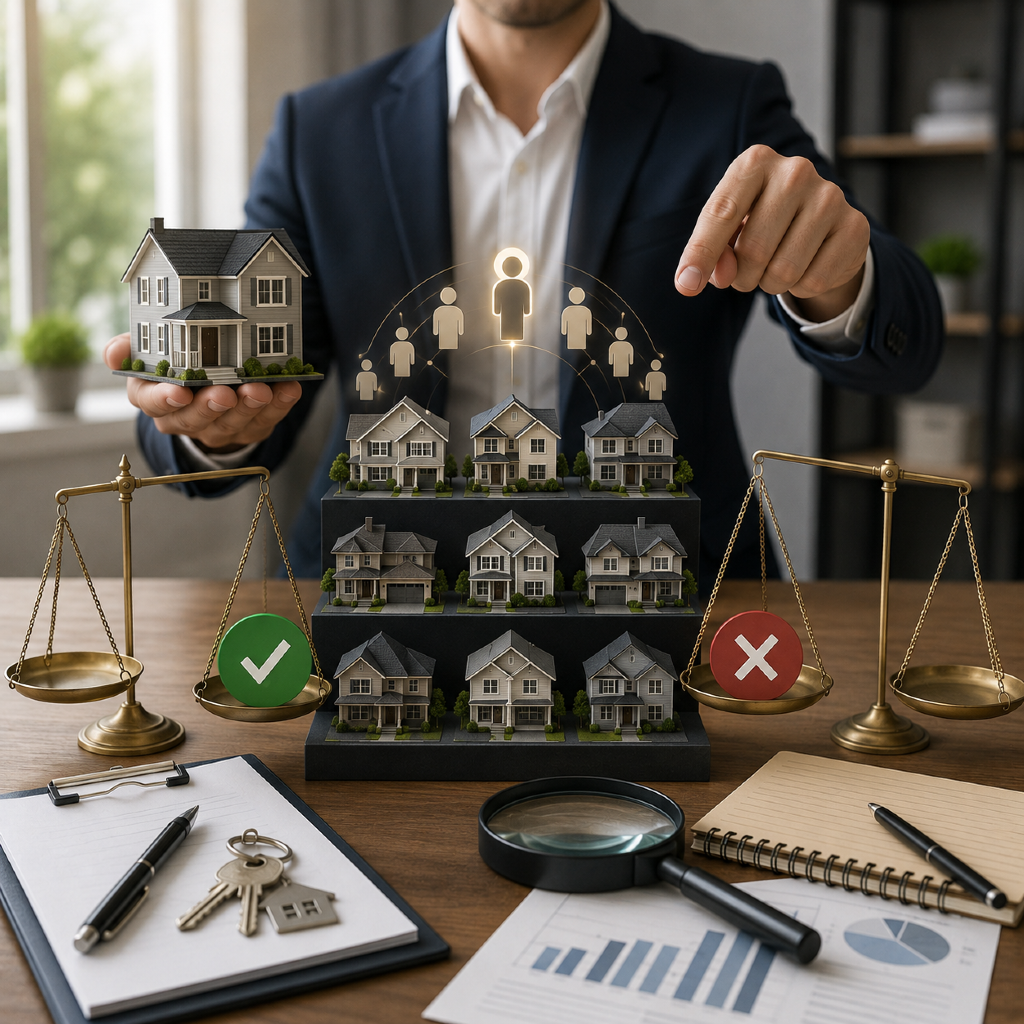
Real estate negotiation is the process by which sellers and buyers come to an agreement on the sale terms of a property. It involves a series of offers and counteroffers until both parties reach a mutually acceptable deal. Key terms and concepts to understand include the asking price, offer price, counteroffer, contingencies, and earnest money deposits. Knowing these terms will help you navigate negotiations more effectively.
Setting Realistic Expectations
Assessing current market conditions is crucial for setting realistic expectations. In a seller’s market, where demand exceeds supply, you may have more leverage to negotiate higher prices. Conversely, in a buyer’s market, you may need to be more flexible. Understanding buyer psychology is also essential. Buyers are motivated by perceived value and fairness, so setting an attractive initial price and being open to reasonable negotiations can lead to a better final price.
Preparing for Negotiation
Pricing Your Home Competitively
Conducting a comparative market analysis (CMA) is essential to price your home competitively. A CMA evaluates the prices of recently sold homes in your area that are similar in size, condition, and features to yours. This analysis helps you understand the market value of your home and set a realistic asking price. Pricing your home slightly below market value can generate more interest and potentially lead to a bidding war, increasing the final sale price.
Staging Your Home for Maximum Impact
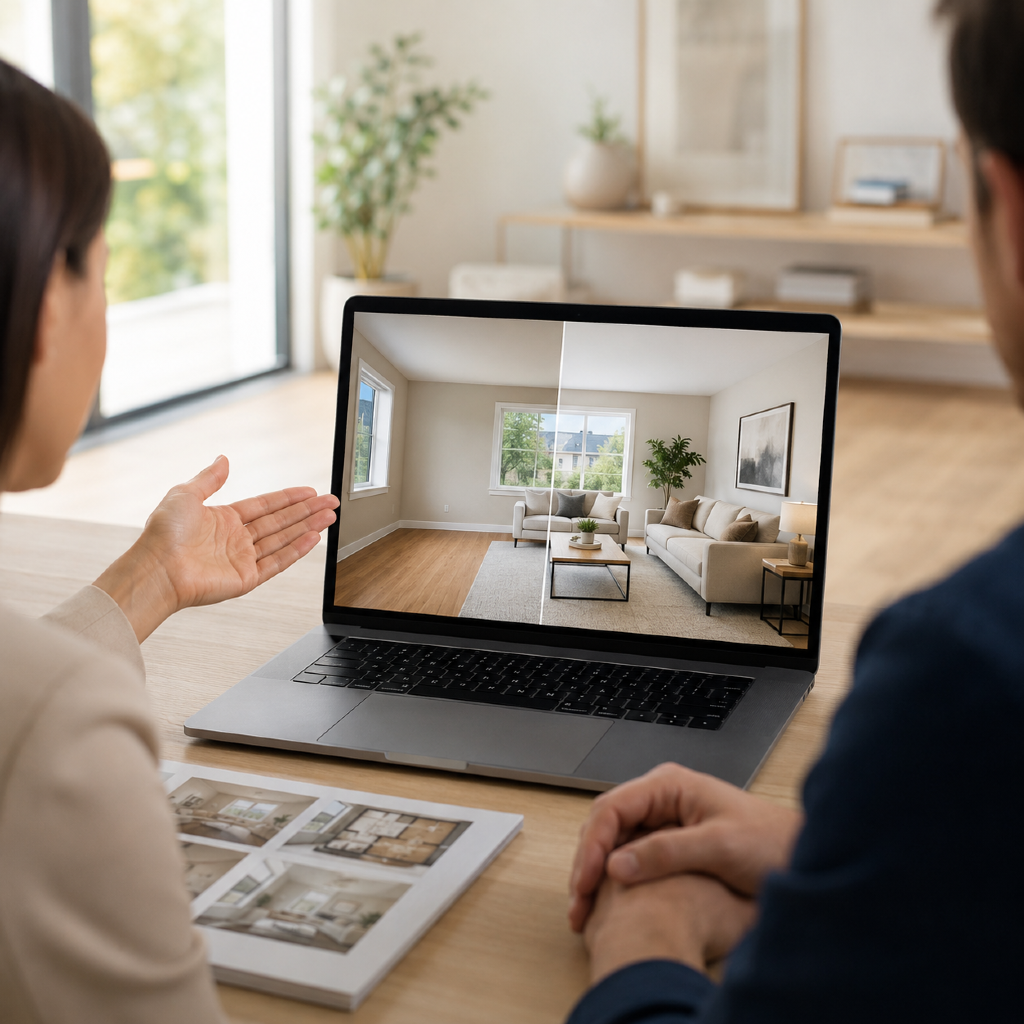
Staging your home can significantly enhance its appeal to potential buyers. Start by enhancing curb appeal through landscaping, cleaning the exterior, and making minor repairs. Inside, declutter and depersonalize the space to create a neutral environment where buyers can envision themselves living. Use neutral colors and tasteful decor to highlight the home’s best features. Proper staging can make your home appear more attractive and justify a higher asking price.
Gathering Essential Documentation
Having all necessary documentation ready can streamline the negotiation process and build buyer confidence. Essential documents include home inspection reports, appraisal reports, and title documents. Providing these upfront shows transparency and can prevent potential issues from arising later in the negotiation process.
Strategies During Negotiation
Handling Offers Effectively
When you start receiving offers, review each one carefully. Consider not only the price but also the terms and contingencies. Evaluate how each offer aligns with your goals and timelines. Respond to initial offers promptly and professionally. If an offer is too low, don’t reject it outright; instead, make a counteroffer that reflects your desired price while addressing the buyer’s concerns.
Counteroffer Strategies
Counteroffers are a crucial part of negotiation. They allow you to modify the terms of an offer to better meet your needs. When making a counteroffer, be clear about your terms and the reasons behind them. Common tactics include adjusting the price, modifying the closing date, or altering contingencies. Remember, the goal is to keep the negotiation moving forward toward a mutually beneficial agreement.
Leveraging Multiple Offers
If you receive multiple offers, use this to your advantage by creating a competitive environment. Inform all interested parties that there are multiple offers and request their highest and best offer by a specific deadline. This can lead to a bidding war, potentially driving up the final sale price. However, be transparent and fair in your dealings to maintain trust with potential buyers.
Communication Skills in Negotiation
Building Rapport with Buyers
Building rapport with potential buyers can facilitate smoother negotiations. Positive interactions and mutual respect create a foundation of trust. Simple gestures, such as being courteous and responsive, can go a long way. Techniques to build trust include active listening, showing empathy, and being transparent about the property’s condition and any issues.
Active Listening and Questioning
Active listening involves paying full attention to the buyer’s needs and concerns. This helps you understand their motivations and tailor your responses accordingly. Ask open-ended questions to gather more information about their preferences and constraints. This approach can uncover opportunities for compromise and mutual benefit.
Effective Verbal and Non-Verbal Communication
Effective communication is key in negotiations. Use clear and concise language to convey your points. Be mindful of your body language, as non-verbal cues can significantly impact the negotiation process. Maintain eye contact, use a friendly tone, and avoid aggressive gestures. Positive body language can reinforce trust and cooperation.
Dealing with Common Negotiation Challenges
Handling Lowball Offers
Receiving a lowball offer can be frustrating, but it’s important to respond constructively. Instead of rejecting the offer outright, counter with a price closer to your asking price and provide justification. Highlight recent comparable sales, unique features of your home, and any upgrades you’ve made. This approach can open the door to further negotiation and a better final price.
Navigating Contingencies and Requests
Contingencies are common in real estate transactions. These might include financing contingencies, inspection contingencies, or the sale of the buyer’s current home. Understand each contingency and its implications. Negotiate to ensure that contingencies are reasonable and have clear deadlines. Be prepared to negotiate repair requests following a home inspection. Address major issues, but consider offering a credit instead of performing minor repairs to expedite the process.
Managing Emotional Responses
Negotiations can be stressful and emotionally charged. It’s essential to stay calm and professional throughout the process. Avoid making decisions based on emotions, as this can lead to unfavorable outcomes. Take a step back if you feel overwhelmed and consult with a trusted advisor or real estate professional to maintain objectivity.
Finalizing the Deal
Closing Techniques
Closing the negotiation effectively involves ensuring all terms are clearly defined and agreed upon. Confirm that both parties understand the terms and are satisfied with the agreement. Summarize the key points of the deal and document everything in writing. Effective closing techniques include reinforcing the benefits of the deal and expressing your appreciation for the buyer’s cooperation.
Preparing for the Closing Process
The closing process involves finalizing the sale and transferring ownership to the buyer. Schedule a final walkthrough to ensure the property is in the agreed-upon condition. Understand the closing costs involved and prepare all necessary paperwork, including the deed, bill of sale, and closing statement. Your real estate attorney or escrow agent can assist with this process.
Post-Negotiation Follow-Up
Maintain communication with the buyer until the closing is complete. Address any last-minute concerns or questions promptly to ensure a smooth transition. A positive post-negotiation relationship can lead to a successful closing and potentially favorable reviews or referrals.
Conclusion
Effective negotiation when selling your home involves understanding the process, preparing thoroughly, employing strategic communication skills, and addressing common challenges. By implementing these strategies, you can navigate the negotiation process confidently and achieve the best possible price for your home.