Key Takeaways
- Technological innovations and data analytics have improved the precision of home valuations in 2026.
- Preparation and understanding key value factors can help homeowners achieve more accurate property appraisals.
In 2026, the accuracy of home valuations is advancing at an unprecedented pace. Homeowners now rely on detailed data, expert assessments, and innovative technology to understand their property’s value. Here, you’ll learn how valuation agents work, what’s new in appraisal techniques, and how to get a more precise evaluation of your home.
What Does a Home Valuation Agent Do?
Role of valuation agents
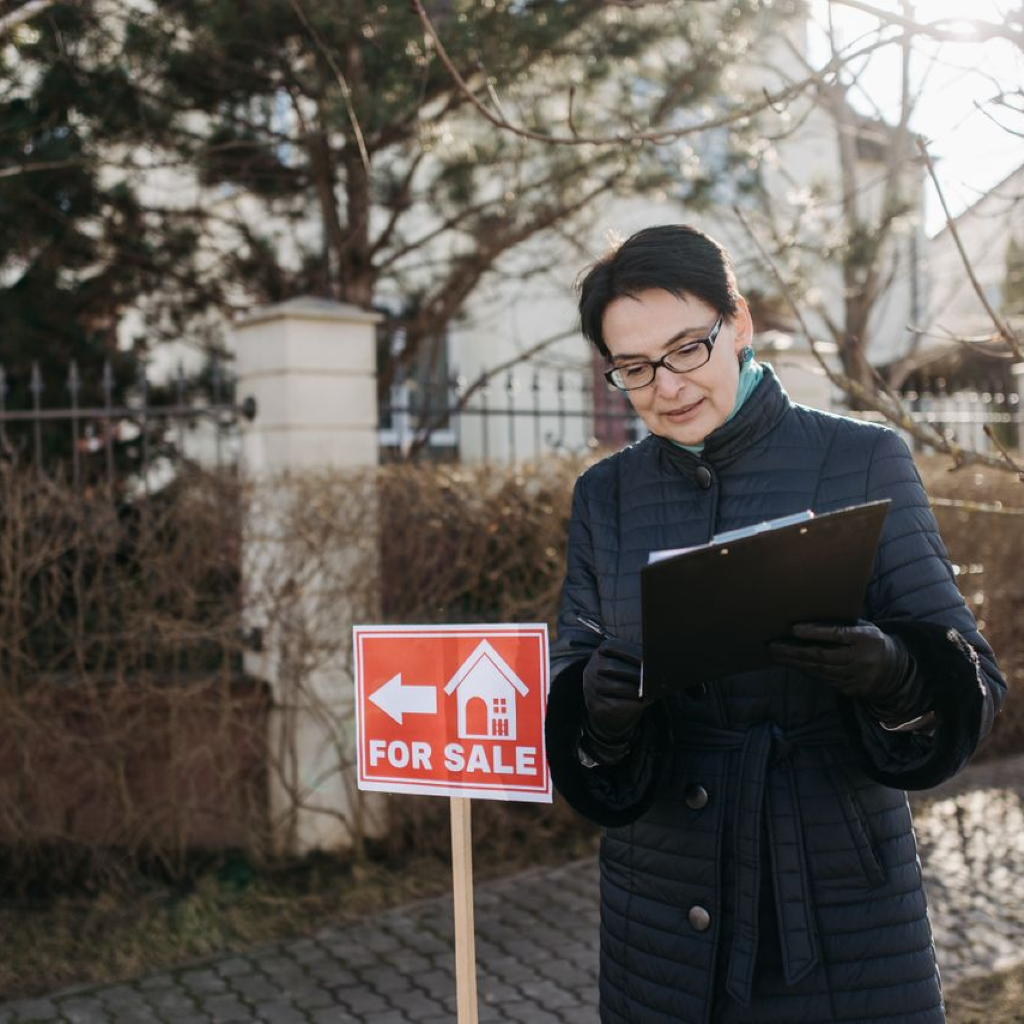
A home valuation agent is a trained real estate professional who determines the likely market value of a residential property. Their main responsibility is to assess your home’s features, condition, and location against current market data. Agents often hold specialized certifications and regularly update their knowledge to stay aligned with evolving valuation practices. They apply local market expertise, interpret economic trends, and provide homeowners with fair, unbiased estimates.
Key steps in the valuation process
The standard process begins with a property inspection—either in person or virtually—where the agent reviews interior and exterior characteristics. They collect details on home upgrades, maintenance history, and any unique features. Next, the agent gathers relevant market data including recent sales of similar homes. They then analyze this information, apply recognized methodologies, and prepare a formal valuation report, ensuring compliance with current industry standards and regulations.
How Are Home Valuations Changing in 2026?
Recent innovations in valuation methods
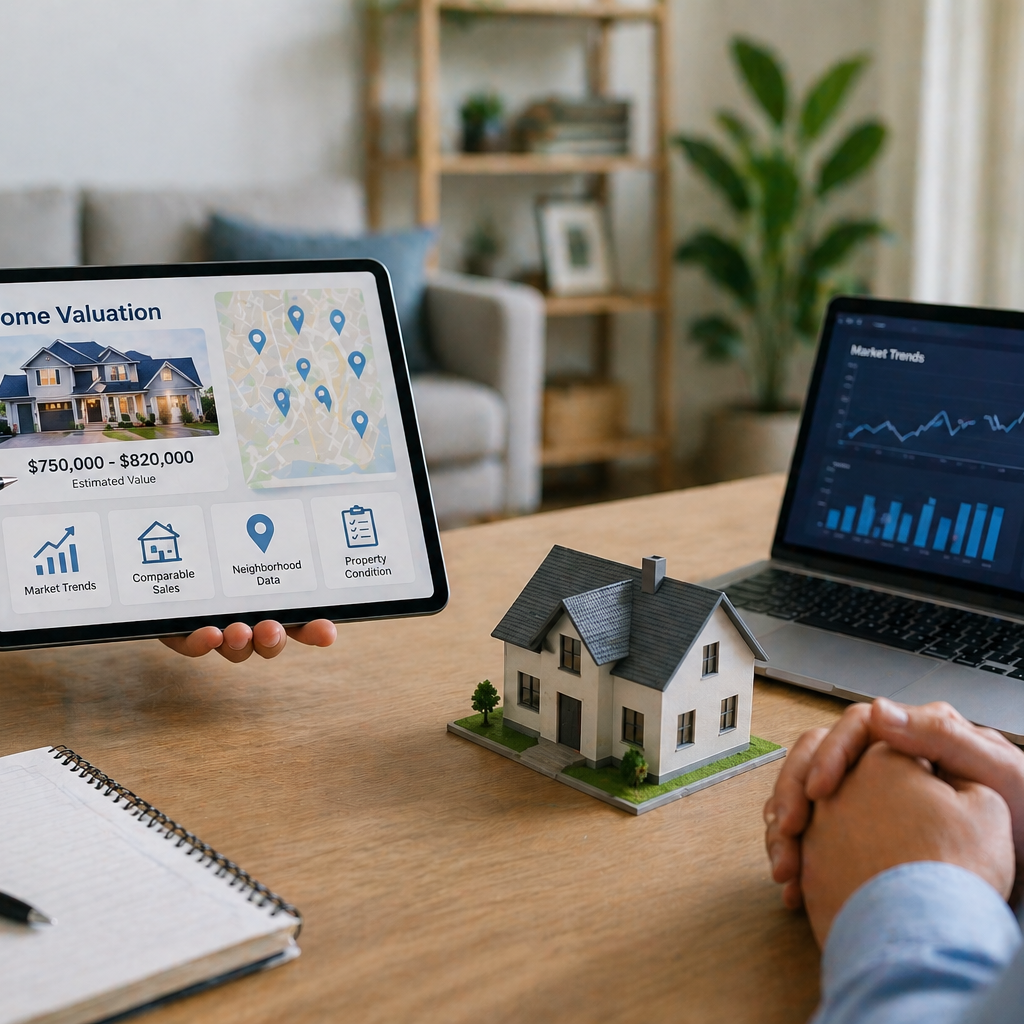
By 2026, home valuation techniques have integrated advanced data analytics and artificial intelligence (AI). Automated valuation models (AVMs) now process vast volumes of real-time data—from local sales histories to economic indices—delivering quicker baseline estimates. Some agents use drone imagery and 3D home scans to supplement traditional inspection notes. These innovations help refine accuracy and address nuances that older methods sometimes missed.
Impact of technology on accuracy
The adoption of cloud-based platforms enables agents to access instant updates on neighborhood trends, zoning changes, and comparable sales. AI-powered algorithms can identify subtle patterns, like micro-neighborhood shifts or seasonal demand fluctuations. These tools help reduce human error, improve transparency, and support evidence-based appraisals. However, they still require professional interpretation to address unique property attributes or local market exceptions.
What Factors Influence My Home’s Value?
Location and community trends
Your home’s geographical position remains a central factor in its valuation. Proximity to public transit, schools, parks, and new developments can influence demand and prices. In 2026, community-specific amenities—such as walkable shopping, energy-efficient infrastructure, and evolving zoning regulations—have a growing impact. Agents track these trends using mapping platforms and demographic data to provide an informed estimate.
Interior and structural conditions
The condition and functionality of a home’s interior and structure play a major role. Features such as updated kitchens, modern energy systems, new roofing, and well-maintained foundations often add value. Agents consider the age, style, layout, and quality of materials, documenting upgrades, repairs, and evidence of routine maintenance. These elements are reflected in both physical inspections and digital records.
Market data and comparable sales
One of the most important benchmarks is the price of recently sold similar homes in your area—often called “comps.” Agents analyze these sales within a defined timeframe and adjust for differences in size, condition, or features. Broader market indicators, like inventory levels and buyer demand, are also factored in to ensure appraisals reflect current conditions rather than outdated trends.
Which Data Sources Do Agents Use?
Listing databases and public records
Valuation agents rely on multiple data sources to verify information and strengthen their analysis. Listing databases—regularly updated with new sales, withdrawn properties, and price changes—are used alongside public records that document ownership history, building permits, and tax assessments. This cross-referencing helps minimize errors and catch any discrepancies in property details.
Recent sales and market analytics
Agents regularly review market analytics platforms that aggregate sales transaction data, median price trends, and neighborhood-level statistics. This quantitative approach is complemented by insights from local government sources, land use reports, and real estate research organizations. The combination ensures both a broad market perspective and the granular details relevant to your specific property.
Are Online Home Valuations Reliable?
How automated valuations work
Online or automated home valuations use algorithms to estimate property values based on recent sales, public records, and basic property details you provide. These automated tools are accessible and provide a convenient starting point for understanding your home’s estimated value, giving you a general sense of market position.
Limitations versus in-person assessments
While convenient, online valuations often have limitations. They may not account for hidden upgrades, local trends, or unique property features that impact value. In-person assessments by qualified agents can incorporate additional details and context, such as recent renovations, neighborhood developments, or factors like lot orientation that are difficult for algorithms to assess. For important decisions, a professional appraisal typically delivers greater accuracy and reliability.
How Can I Prepare for an Accurate Valuation?
Documenting upgrades and repairs
Providing a detailed record of improvements—like remodeled bathrooms, solar panels, or a new HVAC system—can support a higher, well-documented valuation. Keep receipts, permits, and contractor information readily available. Photos and before-and-after summaries help demonstrate the quality and scope of the work to the valuation agent.
Presenting your home’s best features
Ensuring your property is clean, decluttered, and well-lit can create a favorable impression during inspections. Highlight unique architectural details, backyard enhancements, or smart home features. Accessibility improvements and energy-efficient upgrades can also be mentioned, as these are increasingly valued in 2026’s market. Providing a written summary of less-visible improvements, such as insulation upgrades, gives the agent a complete picture.