Key Takeaways
- Understanding and preparing for timing challenges is crucial to back-to-back closings.
- Strong organization, financial planning, and open communication streamline consecutive sales.
Coordinating two home closings close together can help you avoid the hassle of temporary moves and extra costs. If you’re thinking about buying and selling at the same time, mastering the moving parts is key. Here’s how you can set yourself up for a smooth transition when timing matters most.
What Are Back-to-Back Closings?
Definition and process basics
Back-to-back closings happen when you sell your current home and buy your next property within a short time frame—often on the same day or within a couple of days. This tight scheduling lets you move directly from one home to another, limiting the need for interim housing or double mortgage payments. The process involves two distinct transactions: the sale of your current home and the purchase of a new one. Both closings are timed so the funds from your sale can support your next purchase, potentially reducing financial strain.
Common situations for consecutive sales
You might choose consecutive closings if you’re moving for a new job, want to minimize disruptions for your family, or hope to use the proceeds of your current home for a down payment immediately. They’re especially common for homeowners who want seamless transitions—or need to coordinate school schedules, lease expirations, or relocation deadlines.
Why Is Timing So Important?
Coordinating sale and purchase timelines
For back-to-back closings to work, timelines for selling and buying must align closely. This involves syncing buyer, seller, lender, and title company schedules. You’ll want to secure a buyer for your current home while negotiating the ideal closing window for your next purchase. Paying attention to contract dates and deadlines on both homes is crucial so that one transaction doesn’t delay the other.
Potential risks with misaligned closings
If the closings don’t line up, you could encounter financial or logistical headaches. For example, if your home sells before you can buy, you may need temporary accommodations or storage for belongings. If your purchase happens first, you might own two homes at once, leading to extra carrying costs. Delays can also complicate loan approvals or contract obligations, causing stress for all parties involved.
How Can You Prepare Financially?
Understanding potential financial gaps
When closings are scheduled closely, a slight delay in one can ripple into the other. It’s important to consider possible gaps where you might need short-term funds or coverage for unexpected costs, such as double mortgage payments, storage fees, or extended hotel stays. Having a clear picture of your cash flow and buffer plans can alleviate stress if the timeline shifts.
Planning for temporary housing or storage
Even with well-coordinated closings, sometimes unexpected delays happen. Explore local storage facilities or short-term rental options early, so you’re prepared if you need a place to stay. Budgeting for these possibilities ensures you won’t be caught off-guard if you need a few days between homes.
What Steps Help Streamline Closings?
Gathering required paperwork early
Staying organized with paperwork is a major asset during simultaneous sales and purchases. Prepare by collecting tax documents, pay stubs, recent mortgage statements, and proof of homeowner’s insurance early. Keeping digital or physical files labeled and accessible helps with quick responses to lender or title requests, avoiding last-minute scrambling.
Communicating with all involved parties
Proactive communication can prevent misunderstandings and keep everyone on track. Regular check-ins with your closing team—which might include your attorney, title company, and lender—ensure that everyone is aware of key deadlines, any changes, and their roles. Share your expected timelines, ask for status updates, and quickly report any issues that arise.
Should You Use a Contingency Plan?
Types of contingencies to consider
In back-to-back deals, contingencies act as safeguard clauses in your contracts. For example, a sale contingency allows you to back out of a purchase if your current home doesn’t sell in time. A purchase contingency might require your buyer to close by a specific date, giving you certainty to proceed. Understand what contingencies are available and how they can offer flexibility.
Benefits and limitations for consecutive deals
Contingencies can give you peace of mind and minimize financial risk, but they may also make your offer less appealing to sellers or buyers who want certainty. Reviewing the pros and cons carefully, and discussing practical options with your transaction team, helps you decide what fits your comfort level.
How Do Delays Impact Consecutive Sales?
Common causes of closing delays
Delays can happen for several reasons: repair negotiations, appraisal issues, unanticipated lender requirements, or missing paperwork. Sometimes, third-party schedules—such as inspectors or contractors—cause timelines to slip. Even small delays in one transaction may have a domino effect on the back-to-back closing plan.
Steps to minimize disruption
To reduce risks, plan for flexibility where possible. Build buffer days into contracts, stay in close touch with your closing team, and keep documents organized. Early problem solving—such as addressing repairs quickly or getting pre-approved for your next mortgage—keeps your transactions moving.
What Questions Should You Ask?
Key questions for your closing team
Understanding the process fully empowers you as a seller and buyer. Important questions include: What are the expected timelines? Who oversees transferring funds between the two transactions? What happens if one closing is delayed? Who should you contact for urgent issues?
Understanding roles in the process
Each participant—lender, attorney, title officer, agent (if any), and insurance representative—has a defined role in the closing process. Familiarize yourself with these roles so you know who to approach for specific needs or clarifications during the back-to-back closing experience.
Tips for Staying Organized Throughout
Creating a timeline checklist
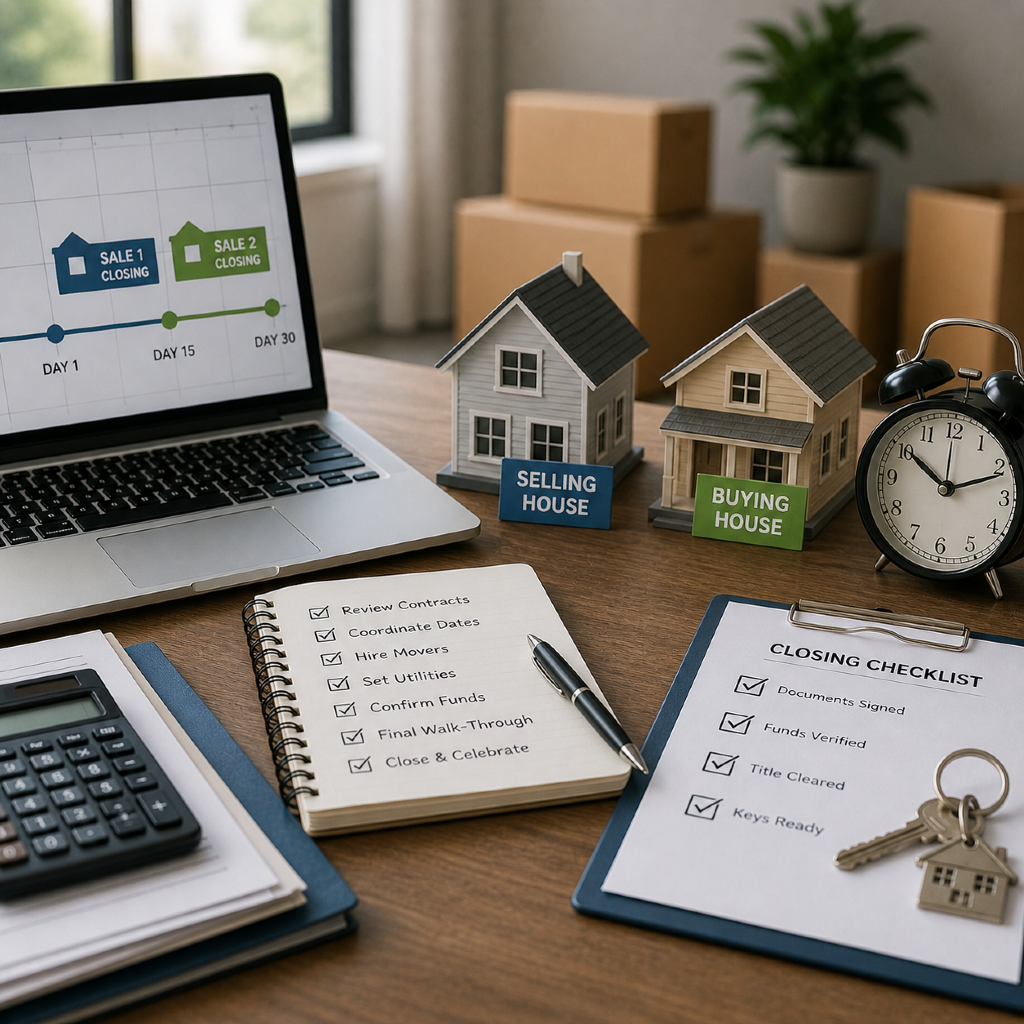
Chart out every deadline and major step for both home sales on a timeline or spreadsheet. Seeing tasks side by side makes overlapping or critical dates easier to manage. Your checklist might include inspection dates, loan approvals, and final walkthroughs.
Tracking milestones for both transactions
Maintain a running list of completed versus pending tasks, with clear contact points for each item. Regularly reviewing your progress keeps you ahead of potential snags and reassures you that every detail is handled.
By following these practical steps and maintaining open communication, you can increase your chances of smooth consecutive transactions—moving with less stress and greater confidence.