Key Takeaways
- Premium photography can noticeably improve a home’s visual appeal and attract more buyers online.
- Consider both the cost of premium photos and the importance of aligning images with buyer expectations.
Thinking about selling your home? The photos on your online listing will likely be the first thing buyers see. Choosing a listing agent who offers premium photography can impact your sale, but it’s important to understand both the benefits and possible downsides before deciding how to present your property.
What Does Premium Photography Mean?
When you see a listing with crisp, bright, and inviting images, you’re probably looking at the results of premium photography. But what exactly sets these photos apart, and how do they influence a buyer’s perception?
Types of Real Estate Photography
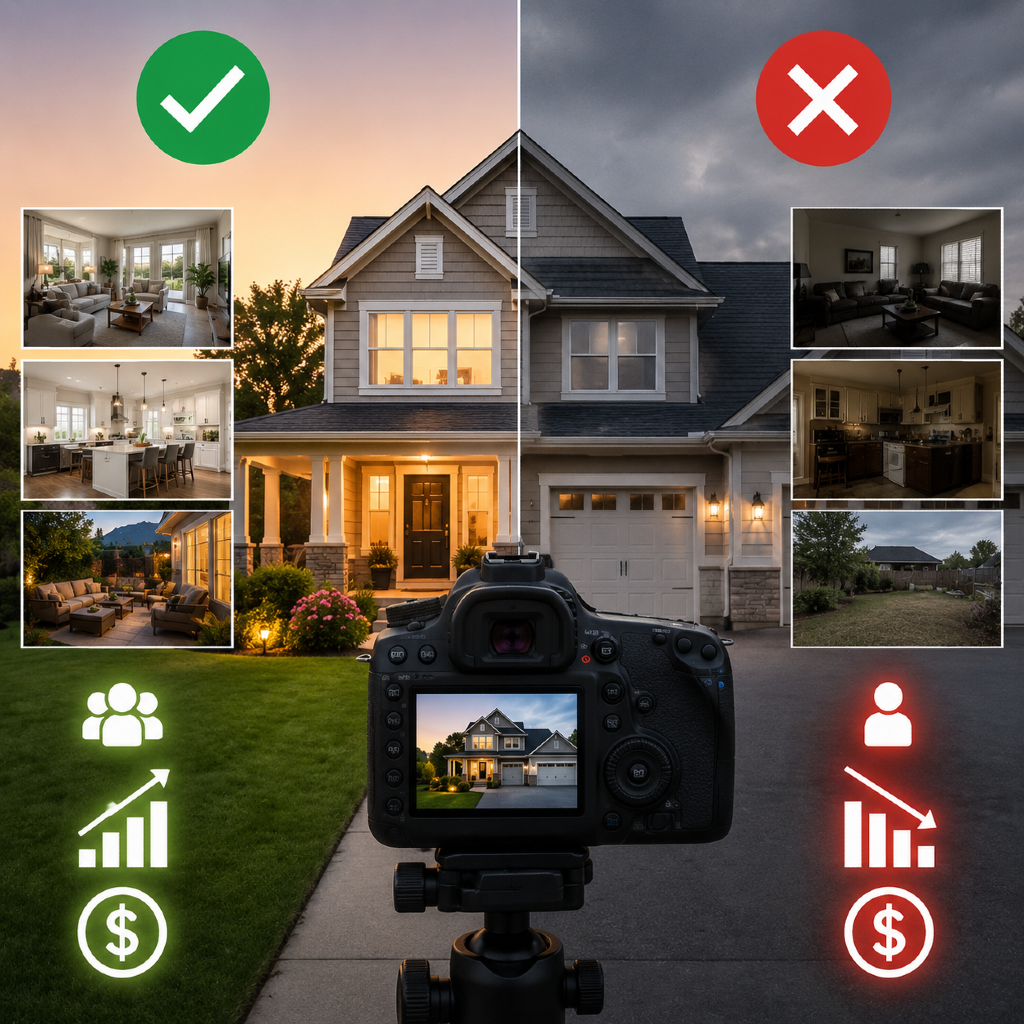
Premium real estate photography typically involves more than a quick snapshot. It includes high-resolution images taken with professional equipment, careful composition, and expert editing. Some agents may offer advanced options like:
- Wide-angle shots: To make rooms appear more spacious
- Twilight or dusk photos: Highlight outdoor lighting and ambiance
- Aerial/drone photography: Showcasing property layout and neighborhood context
- Virtual tours and 3D walkthroughs: Giving buyers an immersive look inside
These approaches aim to capture your home at its absolute best, emphasizing both features and atmosphere in ways basic photos often can’t match.
Visual Impact on Online Listings
Over 90% of buyers begin their search online. The quality of your listing’s visuals plays a crucial role in stopping them from scrolling past. Premium images tend to be brighter, better composed, and more inviting, making your listing stand out among the competition. This is especially valuable in markets where buyers are comparison-shopping across many similar homes.
How Does Premium Photography Benefit Sellers?
Investing in premium photography through your listing agent can offer several potential advantages. Let’s explore how these benefits play out for sellers.
Enhancing First Impressions
First impressions are powerful. When buyers browse listings, stunning photos can spark curiosity and excitement, leading them to spend more time viewing your property. Strong visuals highlight the size, layout, and unique features of your home. They also help buyers imagine themselves living there, which is a key step in making an inquiry or booking a showing.
Attracting More Potential Buyers
The more appealing your online listing, the more people it’s likely to reach. Eye-catching photos can increase the number of clicks and shares across online platforms. This wider exposure can result in more showings and potentially a greater pool of interested buyers. It’s important to remember that while photos draw people in, they are only one part of a successful marketing strategy.
What Are the Potential Drawbacks?
Premium photography isn’t without its considerations. As with any investment in the selling process, it’s smart to weigh the pros and cons before committing.
Added Costs to Consider
Professional photography comes with a price tag. Some listing agents include it as part of their service; others may charge additional fees. These costs vary based on:
- The size of your property
- The types of photos or videos taken (e.g., aerial shots often cost more)
- The market and quality level you’re seeking
Before moving forward, ask your agent about what photography services are included and whether you’ll be expected to cover expenses.
Possible Misrepresentation Risks
There is a fine line between presenting your home in the best light and potentially overstating its appeal. Overly enhanced photos or images that make rooms look significantly larger than they are may set unrealistic expectations. When buyers visit in person, disappointment can lead to lost interest. Keep communication open with your agent to ensure your home is presented both attractively and honestly.
Is Premium Photography Required to Sell?
While premium photography is a popular tool, it’s not strictly necessary for every sale. The right choice depends on your property, market, and goals as a seller.
Typical Real Estate Marketing Standards
Most listings today use some level of professional photography, especially for mid- to high-priced homes. This has become a standard expectation in many areas. However, for lower-priced or very fast-moving markets, basic photos may still suffice without impacting buyer interest dramatically.
Alternatives to Professional Photos
If premium photography isn’t feasible, there are other options. Some sellers use advanced smartphones for high-quality images, though results may vary based on experience and lighting. You might also consider virtual staging or basic photo editing to enhance what you capture. The key is making your home look clean, spacious, and inviting—regardless of the equipment used.
Frequently Asked Questions
Can I Use My Own Photos?
Some agents permit homeowners to provide their own photos if they meet certain quality standards. However, professional images are usually recommended for optimal impact. If you choose to provide your own, aim for clear, well-lit, and clutter-free shots.
How Do I Prepare a Home for Photos?
Preparation can make a big difference. Clean every room, remove personal items, and declutter spaces to maximize appeal. Pay attention to small touches: open curtains for natural light and add fresh towels or flowers where appropriate. Your agent or photographer may also offer specific suggestions based on your property’s features.
Does Premium Photography Guarantee a Faster Sale?
No marketing tool—including premium photography—can guarantee a specific result in real estate. While appealing visuals may increase buyer interest and activity, many factors determine how quickly and successfully a home sells. These include location, price, condition, and current market dynamics. Be wary of anyone promising guaranteed outcomes.
Premium photography is a proven way to attract buyers’ attention online and make a strong first impression. However, it’s not a requirement for every situation, and it’s important to consider costs, expectations, and ethical representation. Approach the decision as a part of your broader selling strategy, staying focused on transparency and presenting your home in its best (yet truthful) light.