Key Takeaways
- Prioritize communication, local expertise, and ethics when selecting a top rated realtor.
- Asking the right questions and verifying credentials helps ensure a smooth, successful selling process.
Choosing the right realtor can make selling your home less stressful, more efficient, and potentially more successful. By knowing what defines a top rated realtor, which qualities matter most, and what questions to ask, you’ll put yourself in the best position to navigate today’s real estate market with confidence.
What Is a Top Rated Realtor?
When you search for a “top rated realtor near me,” you’re looking for a professional known for expertise, reliability, and excellent client service. Let’s explore what this status truly means.
Industry Standards and Ratings
Top rated realtors are assessed according to industry benchmarks such as licensing, years of experience, sales volume, and client feedback. Most are members of professional associations, adhering to strict codes of ethics. Customer ratings, online testimonials, and achievement awards often factor into these ratings, but they are only a starting point for evaluation. Never rely solely on online stars—look for consistent patterns and depth in reviews and credentials.
Ways Realtors Earn Recognition
Realtors gain recognition through proven track records, ongoing education, and a reputation for client satisfaction. High ratings come from consistently smooth transactions, thorough market knowledge, and ethical conduct. Participation in local community events and completion of specialized certifications also contribute to a realtor’s standing. The right realtor combines these achievements with transparent communication and a commitment to your goals.
Why Realtor Selection Matters
Your choice of realtor has a direct impact on your experience and outcomes throughout the home selling process. Let’s look at both the advantages and risks involved.
Impact on Home Selling Experience
A well-qualified realtor guides you calmly through each step, from listing to closing. You can expect proactive communication, accurate market pricing, and reliable advice about preparing your home for sale. This reduces the guesswork and stress, allowing you to feel supported and empowered as you navigate paperwork, showings, negotiations, and more.
Risks of Choosing Poorly
Selecting a realtor without due diligence may leave you facing unclear expectations, delayed communication, or less effective marketing. Inadequate experience or insufficient local knowledge can lead to pricing mistakes or missed opportunities. Poor ethical standards may result in misunderstandings or compliance issues. Taking care in your selection upfront helps avoid unnecessary frustration and potential legal or financial complications.
Key Qualities of Leading Realtors
Not all real estate professionals offer the same level of service. These three qualities distinguish leading realtors and give you confidence in your choice.
Communication Skills
Clear, timely, and transparent communication is one of the most vital realtor qualities. You should feel heard, your questions answered, and your concerns promptly addressed. Strong communicators keep you updated at every stage, anticipate problems, and help you make informed decisions.
Experience and Local Knowledge
Reliable realtors bring extensive experience and a thorough understanding of your specific area. They can accurately assess market conditions, identify trends, and advise you on setting a competitive price. Local knowledge also helps in recommending strategies to enhance your home’s appeal and in targeting the right buyers.
Professionalism and Ethics
Top realtors operate with high ethical standards, honesty, and professionalism. This means respect for your privacy, transparent disclosures, and adherence to fair housing regulations. You should expect punctuality, organization, and a service mindset from the first meeting to the final paperwork.
Which Qualities Should You Prioritize?
Every homeowner’s situation is different. Here’s how to match your needs to a realtor’s strengths and assess your options effectively.
Matching Qualities to Your Needs
Consider what matters most for your personal situation. If you value frequent updates, prioritize strong communication. If your home is in a unique neighborhood, local expertise may be most beneficial. Families needing flexible schedules might prefer someone especially responsive. Identify your main concerns—price, speed, minimal disruption, or guidance—and weigh realtor qualities accordingly.
Evaluating Your Options
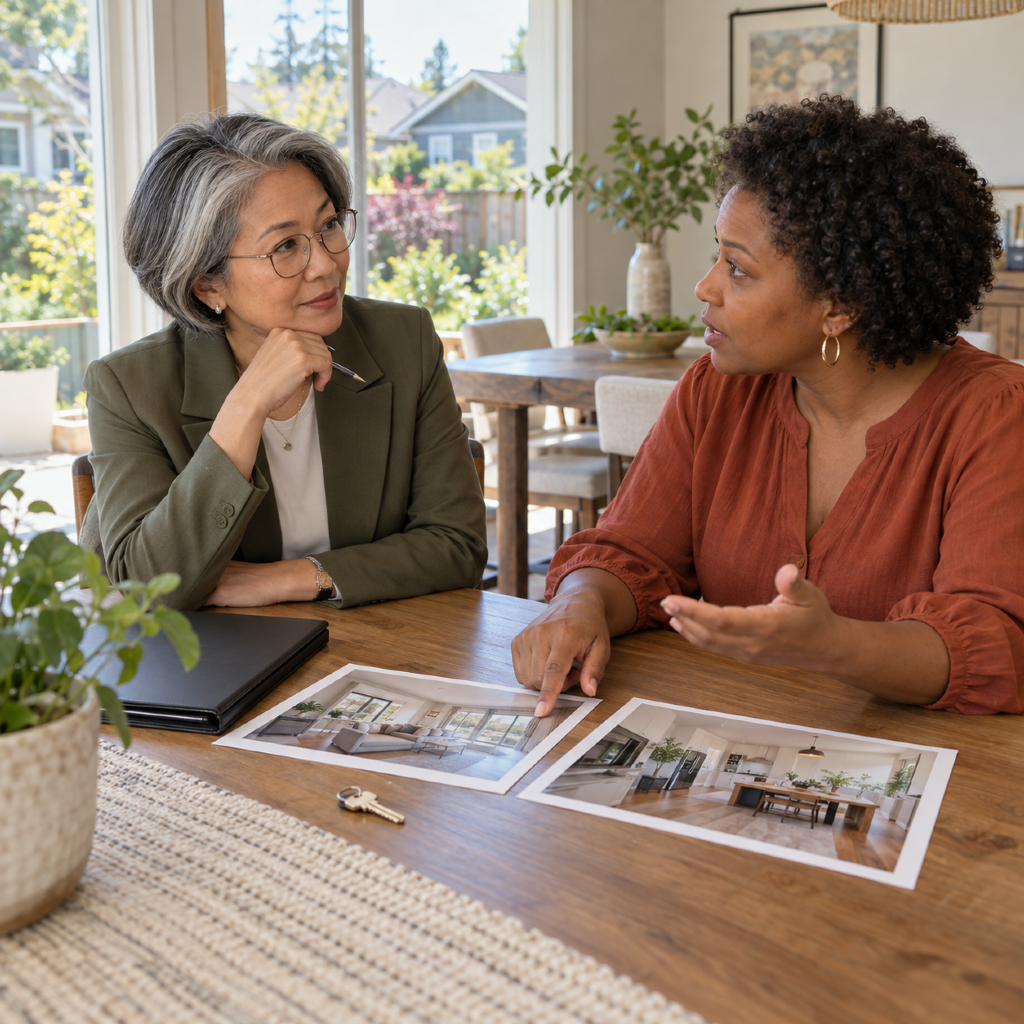
Interview several professionals to compare their skills, processes, and responsiveness. Request recent client references and ask about transaction types similar to yours. Paying attention to how prospective realtors explain market data or answer your questions can reveal much about their suitability for your needs. Trust your instincts: a comfortable, open rapport is just as important as credentials.
Essential Questions to Ask Realtors
Preparing specific questions puts you in the driver’s seat when interviewing potential realtors. Here’s what to ask—and why.
Questions on Experience
- How long have you been in residential real estate?
- What is your track record for homes like mine in this area in the past year?
- Can you provide references from recent clients?
These questions help reveal depth of local market knowledge and practical experience relevant to your sale.
Questions on Approach
- What strategies do you use to market homes?
- How often and in what ways will you communicate updates?
- What is your approach to pricing and negotiations?
Understanding a realtor’s methods helps clarify expectations and identify whether their style matches your needs.
Questions on Fees and Contracts
- What are your commission rates, and what is included?
- Are there any cancellation or termination fees?
- Can you review the listing agreement with me and explain all terms?
Discussing terms upfront assures transparency and avoids surprises later in the process.
How Do You Verify Realtor Credentials?
Before you commit, it’s essential to confirm that a realtor is fully qualified and well-regarded by past clients.
Checking Licenses and Certifications
Ask for the realtor’s license number and verify it using your state’s regulatory website. Look for active membership in reputable professional organizations, and check for any specialized credentials (for instance, those focusing on luxury homes or first-time sellers). These details demonstrate a commitment to continued learning and high standards.
Researching Online Reviews
Examine feedback across several independent platforms. Focus on patterns in what clients praise or critique—especially communication, professionalism, and outcomes. Remember, a few negative reviews aren’t always a red flag, but repeated concerns in the same area deserve attention. Reach out to references if possible to get firsthand insight.
What Else Should Sellers Know?
Having the right expectations and some insider tips can smooth your home selling experience.
Common Misunderstandings
Many sellers expect instant results or believe every home will have the same marketing plan. In reality, market conditions and property uniqueness mean timelines and strategies vary. Clear two-way communication with your realtor can help set realistic expectations from the start.
Tips for a Smooth Process
- Stay involved and informed at every stage.
- Prepare your home with neutral décor and minor repairs for broader appeal.
- Keep all documentation organized and accessible.
- Don’t hesitate to ask questions—your realtor is there to help you feel comfortable and confident.
FAQ: Hiring a Realtor in 2026
Current Market Considerations
In 2026, digital tools and virtual home tours play a larger role, but personalized, expert guidance is still crucial. Changes in mortgage rates, local inventory, and buyer preferences can influence selling strategies, making experienced advice more valuable than ever.
Trends Affecting Realtor Roles
Today’s realtors combine technology, marketing skills, and personalized service. Many are expanding their expertise in remote closings and virtual staging, responding to evolving buyer expectations and legal requirements. Ongoing professional development is becoming standard, benefiting both sellers and buyers in a changing market.