Key Takeaways
- High-quality, professional real estate photos significantly improve your home’s appeal and visibility online.
- Adhering to photography best practices and compliance ensures your listing stands out to buyers in 2026.
As most buyers in 2026 begin their home search online, professional real estate photography has become a vital asset for sellers. This guide provides clear, actionable steps to showcase your home effectively and navigate the current expectations in home sale photography.
What Are Professional Real Estate Photos?
Definition and core features
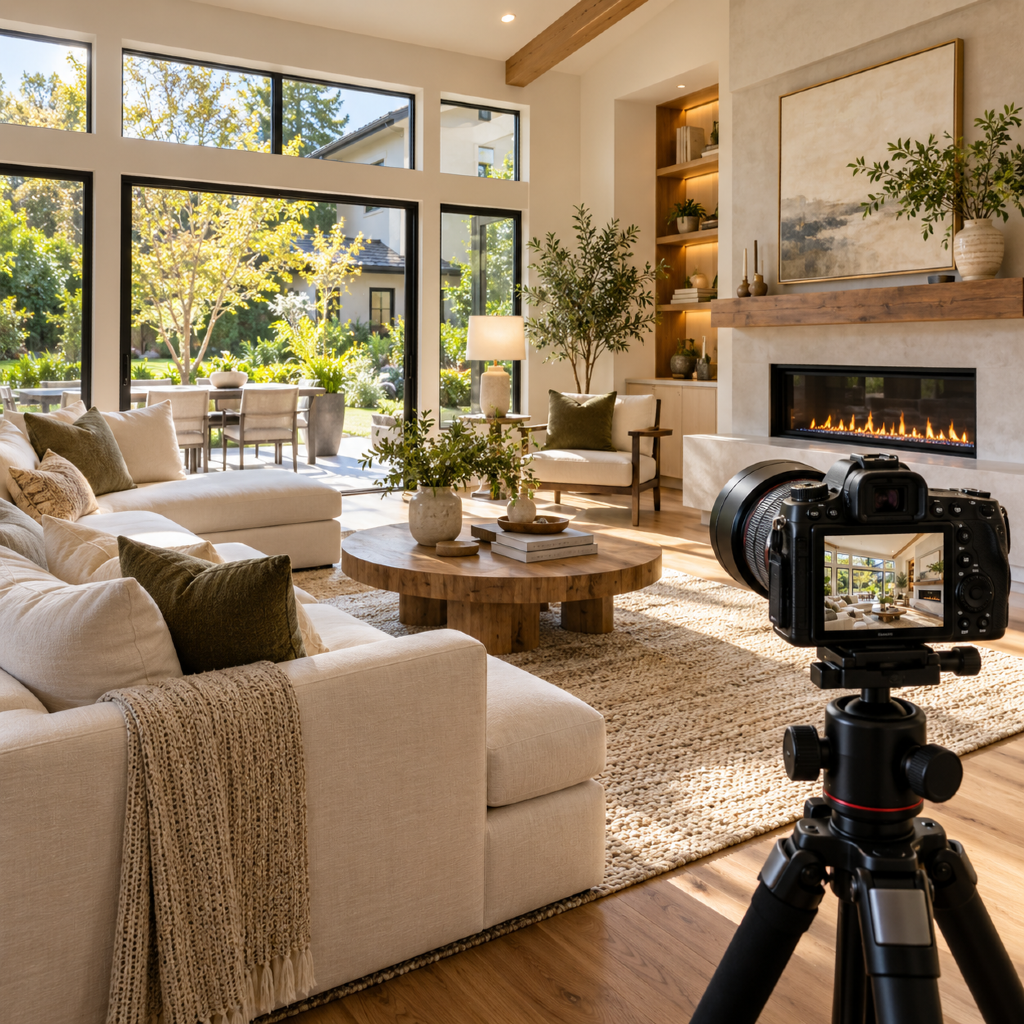
Professional real estate photos are high-resolution images captured by skilled photographers, using advanced equipment to highlight a home’s best features. These photos are intentionally composed to provide sharp, well-lit, and accurately colored representations of each space. The process often involves the use of wide-angle lenses, tripods, and controlled lighting to ensure every room looks welcoming and spacious.
Difference versus smartphone photos
While today’s smartphones offer impressive cameras, professional photographers bring expertise in framing, perspective, and post-processing to each shot. Smartphone images often struggle with inconsistent lighting, inaccurate color balance, and awkward cropping. In contrast, professional photos typically provide consistency—showing your rooms at their brightest, most accurately colored, and most inviting.
Why Do Quality Photos Matter When Selling?
Impact on online listings
In the digital marketplace, your listing’s photos are often the first element potential buyers notice. High-quality images increase click-through rates, drive more virtual showings, and can set your property apart from comparable listings.
First impressions for buyers
Online images form a lasting impression. Clear, attractive photos help buyers imagine themselves in your home, potentially prompting a quicker decision to schedule an in-person visit. Conversely, blurry or poorly composed images can deter interest before a buyer ever steps through the door.
How Do You Prepare Your Home for Photos?
Declutter and stage each room
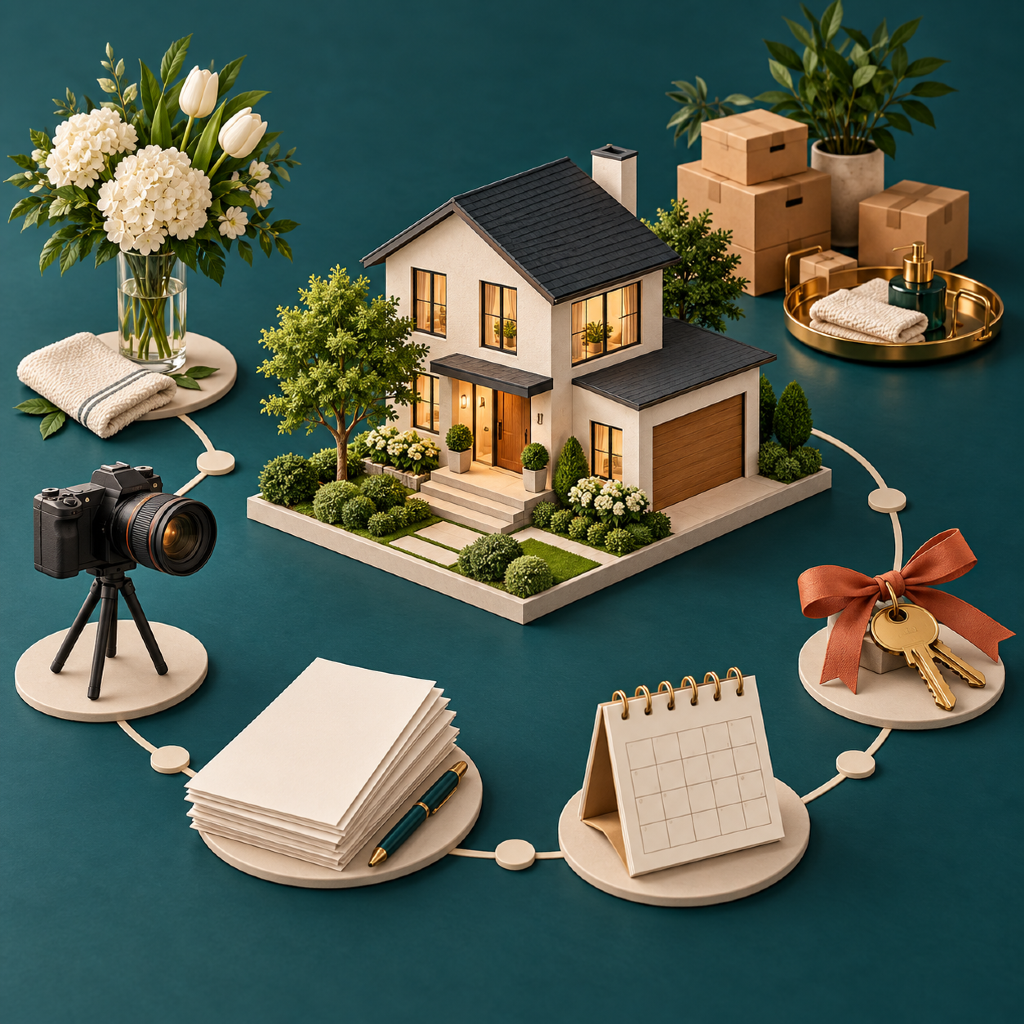
Begin by removing unnecessary items from all surfaces, closets, and floors. Aim for clean counters, minimal decor, and open spaces. Staging rooms—either professionally or by simply rearranging furniture—creates visual balance and an inviting atmosphere in your photos. Think about how each room appears from major viewpoints; small touches, like fresh flowers or neatly arranged pillows, can enhance visual appeal.
Address lighting and repairs
Natural light often enhances a photo, so open blinds and curtains before your photo session. Replace any burnt-out bulbs and ensure consistent lighting throughout the home. Complete any minor repairs, such as fixing leaky faucets or patching wall marks, so the photographs reflect a well-maintained home.
Hiring a Professional Photographer: What to Consider?
Reviewing portfolios and experience
Start by researching photographers who specialize in real estate. Look for portfolios showcasing diverse home styles, careful attention to lighting, and skill in making smaller spaces appear open and inviting. A portfolio provides insight into a photographer’s approach—make sure their style aligns with how you want your home presented.
Discussing costs and scheduling
Understand the photographer’s fee structure—costs may vary depending on home size, number of images, and turnaround time. Clarify what’s included in their package: will you receive digital files, edited images, or additional services like drone shots? Secure an appointment that works with your listing timeline, and confirm the delivery window to keep your sale process on track.
What Are Best Practices for Real Estate Photography?
Angles and room selection
Professional photographers carefully select camera positions to maximize a room’s space and light. Common guidance includes shooting from the doorway or corner to showcase as much of the room as possible. Prioritize photographing main living areas, kitchens, bathrooms, bedrooms, and exterior spaces. Accurately representing each room’s function helps set appropriate expectations among prospective buyers.
Photo editing basics
Editing is a key part of the process but should be used judiciously. Adjustments may include correcting brightness, contrast, and color for a realistic look. Over-editing or altering features can lead to buyer disappointment during showings. All edits should comply with fair labeling and advertising guidelines, reflecting the true current condition of the home.
How Do You Use Photos in Your Listing?
Organizing image order
The sequence of images in your online listing influences the buyer’s journey through your home. Begin with an attractive exterior shot, followed by main living spaces, kitchen, primary bedroom, baths, then additional rooms and features. Presenting the home in a logical, flowing order helps buyers imagine the layout and envision daily living.
Captions and compliance
Well-written captions can offer context—like the age of a remodeled kitchen or special features in the backyard. Avoid exaggeration, and ensure all descriptions are factually accurate. Most listing platforms have specific rules for image use, such as proper representation and avoiding misleading enhancements. Stay up to date with local advertising regulations for photo content in 2026.
Can Professional Photos Speed Up a Sale?
Relevant research and 2026 trends
Recent studies suggest homes displayed with professional images tend to generate more online interest and may see increased buyer engagement. In 2026, virtual tours and high-quality listing visuals remain key trends as online showings and digital-first buying experiences are widely adopted.
Setting realistic expectations
While striking photos can boost a listing’s visibility, they are one piece of a larger sale strategy. Market conditions, pricing, location, and timing all factor into how quickly your home may sell. Professional photos improve your chances of capturing buyer attention, but they do not guarantee a faster or more lucrative sale.
FAQs About Home Sale Photography in 2026
Common homeowner questions
Questions often arise around image editing, the necessity of hiring a professional, and the timeline from scheduling a session to listing. Most sellers benefit from the clarity, consistency, and attention to detail offered by a pro, but it’s possible to achieve good results by learning key photography principles if you prefer to take your own photos.
Resources for further learning
Many consumer housing organizations and real estate associations offer guidance on ethical photography and compliance in advertising. Online courses and home staging tutorials are helpful for DIY efforts. Always seek official resources if you have questions about legal photo use or regional MLS requirements.