
Key Takeaways
- Modern CRMs empower annuity agents and homeowners to track every step of the sales process clearly and transparently.
- Choosing the right CRM involves understanding essential features, usability, and compliance considerations for 2026.
Many homeowners report uncertainty about their home sale’s progress — learn how modern CRM solutions address this challenge. In 2026, annuity agents and their clients are turning to technology for real-time insight, better organization, and a smoother home-selling journey.
What Is a CRM for Annuity Agents?
CRM overview in real estate
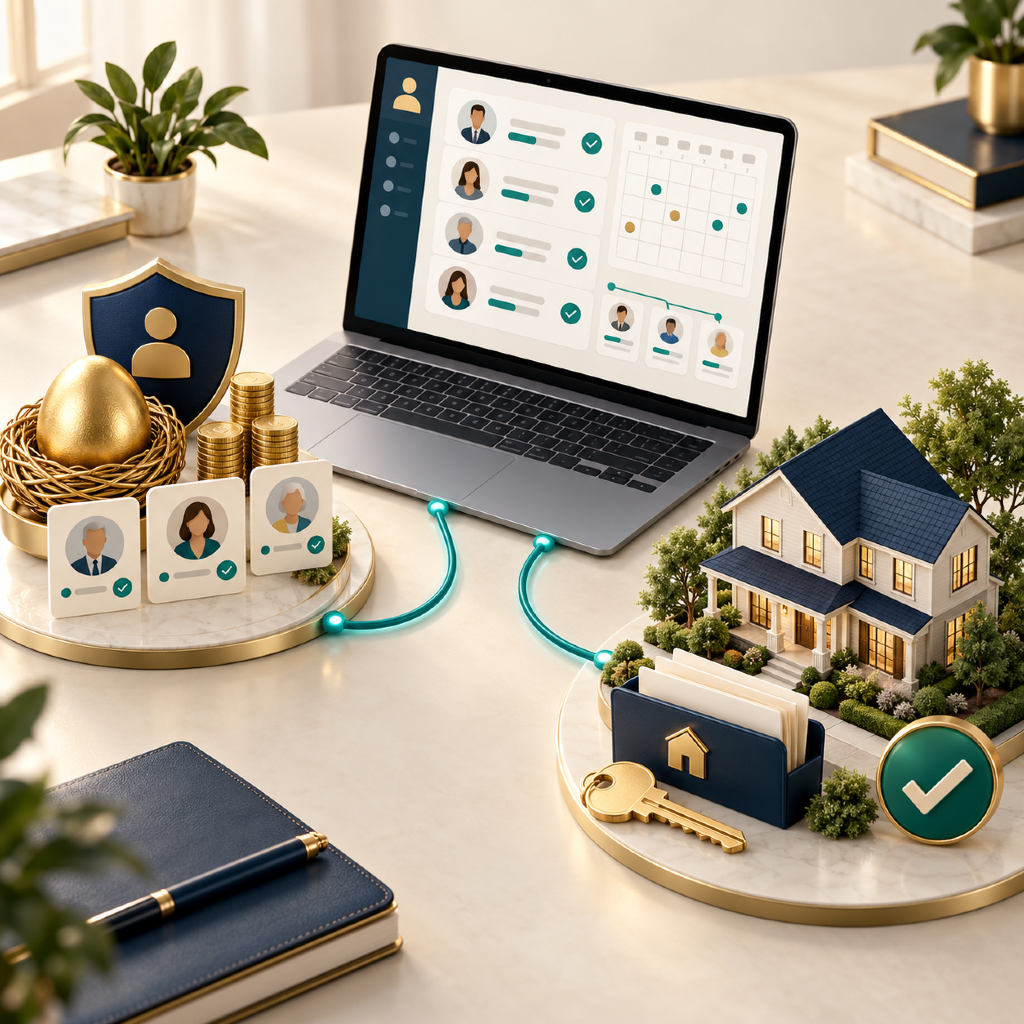
A customer relationship management (CRM) system is a digital tool that helps professionals track, organize, and communicate about interactions and transactions. In real estate, CRMs centralize important information—like property details, prospective buyers, transaction deadlines, documents, and communications—into one secure platform. This organization not only increases efficiency for professionals but also gives homeowners clearer timelines and progress tracking.
Role of annuity agents in home sales
Annuity agents often assist clients who are planning to use home sale proceeds to fund retirement products. Because they’re involved in the home sale, they need up-to-date information at every stage of the process. By using a CRM, annuity agents can stay informed, coordinate with real estate professionals, and offer timely, informed guidance without crossing into direct real estate transaction management.
Why Do Annuity Agents Track Home Sales?
Benefits of monitoring sale progress
For annuity agents, monitoring a client’s home sale helps them provide relevant advice tailored to the client’s evolving financial picture. This oversight lets agents anticipate next steps, alert clients to important deadlines, and support better planning for post-sale financial decisions.
Impact on client guidance
With visibility into a home sale’s status, agents can answer client questions promptly and accurately. This builds trust and helps homeowners make informed choices about funding annuities or other retirement vehicles, using sale proceeds efficiently once the transaction closes.
Essential CRM Features in 2026
Task automation for annuity agents
Modern CRMs automate routine administrative tasks. For annuity agents, this could mean auto-generating reminders for key milestones (like inspection deadlines or closing dates), tracking document submissions, and scheduling client follow-ups. Automation reduces errors, prevents things from falling through the cracks, and saves significant time.
Visual sales pipelines explained
A sales pipeline visually represents the home sale process, broken into stages such as listing, showings, offers, inspections, and closing. The best CRMs for annuity agents offer customizable pipelines that agents and homeowners can interpret at a glance, keeping everyone aligned and showing progress instantly.
Real-time communication tools
Communication is key to a smooth transaction. Advanced CRM platforms in 2026 offer in-app messaging, secure chat, task-based notifications, and real-time document sharing. This means both agents and clients can get answers quickly, reducing confusion and delays often caused by missed emails or scattered information.
Which Features Help Track Home Progress?
Milestone tracking for sellers
Milestone tracking breaks down the sale into recognizable stages: listing date, open houses, offer acceptance, inspection completion, financing approval, and final closing. CRMs let annuity agents and homeowners see where they are in the process, what’s been completed, and what’s next. This visibility builds confidence and keeps everyone aware of potential delays.
Document management basics
Selling a home involves significant paperwork, from disclosure forms to inspection reports. A robust CRM makes it easy to upload, store, and organize documents securely. Homeowners and their annuity agents can access the necessary files in one place, reducing the risk of misplacement or overlooked key documents. Permission settings in modern CRMs also help ensure only authorized parties can see sensitive information.
Reporting and timeline tools
CRMs in 2026 come equipped with reporting dashboards that illuminate the entire transaction at a glance. Timeline tools highlight upcoming dates, completed actions, and outstanding items. This helps annuity agents anticipate questions, quickly update clients, and address potential bottlenecks with effective, fact-based advice.
Can a CRM Improve Home Sale Experience?
Enhanced transparency for homeowners
A well-configured CRM turns the home sale from a stressful unknown into a series of easily understood steps. When homeowners know where they stand, they can make confident choices. CRMs designed for collaboration let agents share real-time updates, so homeowners never have to guess about their sale status or upcoming tasks.
How CRMs prevent common mistakes
Many home sale errors stem from missed deadlines, overlooked documents, or unclear responsibilities. CRMs combat this by sending automated reminders, flagging missing information, and clearly assigning tasks. For both annuity agents and homeowners, this means fewer surprises and a higher likelihood of a smooth, error-free process.
How Do You Choose the Right CRM?
Evaluating needs and workflows
Start by identifying what you and your clients truly need. Are you focused on simple milestone updates, complex document sharing, or robust automation? Make a checklist of required features aligned with your workflow and communication style.
Usability for homeowners and agents
A CRM only delivers value if everyone can use it comfortably. Look for platforms with clear dashboards, intuitive navigation, and a shallow learning curve. Many modern CRMs offer mobile access, so you can update on the go. Ask clients or colleagues about their comfort with technology to ensure your choice meets real-world needs.
Questions to ask before selecting
Before committing, ask yourself and providers key questions:
- Is the CRM compliant with data and privacy regulations?
- Can homeowners view progress without seeing confidential agent information?
- How easily can you securely share documents and milestones?
- Is there reliable support and clear onboarding for users?
By focusing on transparency, collaboration, workflow alignment, and security, annuity agents and homeowners in 2026 can use CRMs to navigate the home sale process with greater confidence and less uncertainty.