Key Takeaways
- Free CRMs help homeowners stay organized, better communicate, and track key tasks when selling their homes.
- It’s important to understand the limits and data privacy considerations of free CRMs before fully relying on them.
Selling a home in today’s digital world is far different from even just a few years ago. If you’re a homeowner, using a free customer relationship management (CRM) tool can streamline your journey, simplify communications, and help you avoid common mistakes—all while maintaining control over your private information.
What Is a Free CRM for Insurance Agents?
Definition and Key Features
A free CRM, or Customer Relationship Management system, is a digital tool that helps you manage contacts, track communications, organize tasks, and store important documents. For insurance agents—and for homeowners selling their properties—these systems offer a central location to record interactions with potential buyers, schedule reminders, and monitor progress throughout the selling process. Key features often include contact databases, task lists, automated follow-ups, basic analytics, and cloud-based access.
How CRMs Support Home Sellers
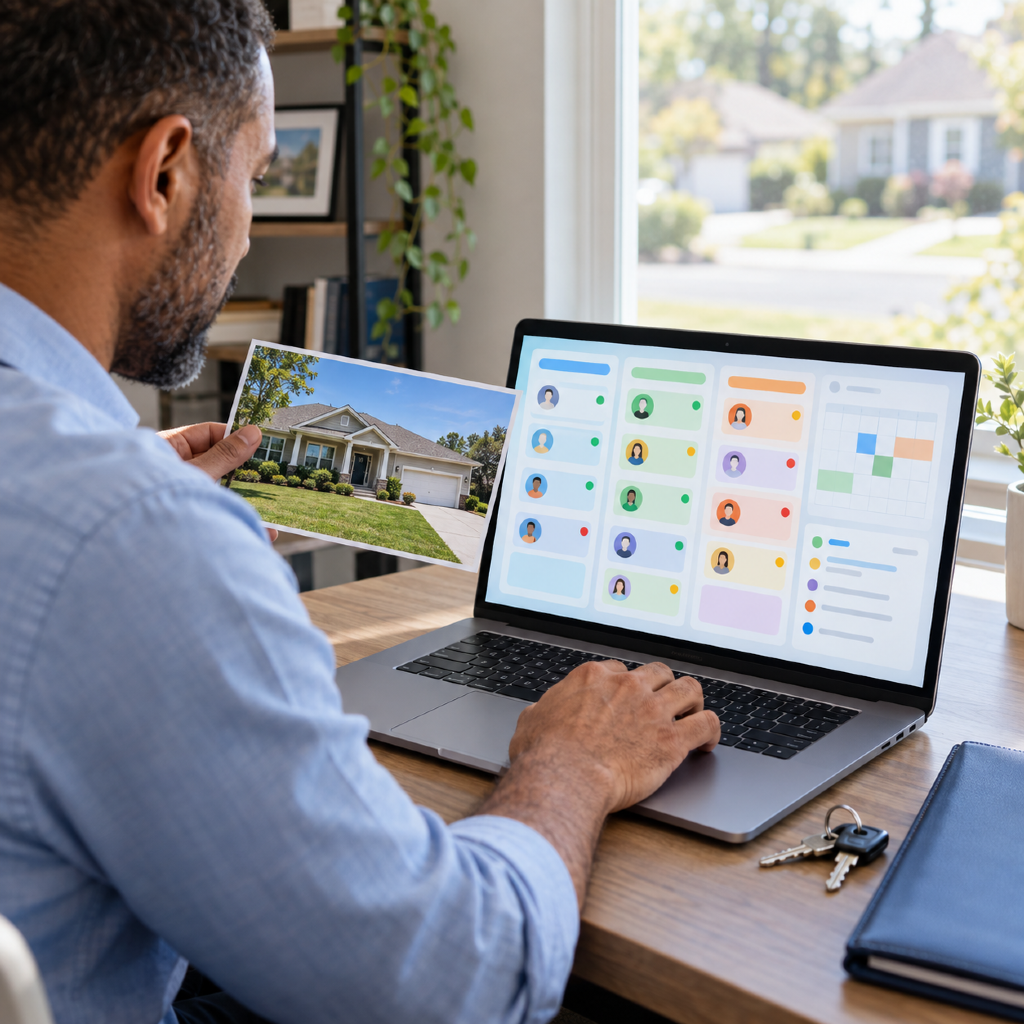
As a homeowner, a CRM can help you keep track of every inquiry about your home, manage upcoming tasks like open houses or repairs, and ensure nothing falls through the cracks. It offers visibility into the status of each interested party, simplifies collaboration with anyone assisting your sale (like insurance agents or advisers), and centralizes essential details for easy access.
Why Are CRMs Relevant in 2026?
Recent Technology Shifts
By 2026, real estate technology has moved fast—more than ever, digital tools are essential for both agents and sellers. Advancements in mobile connectivity, data security, and artificial intelligence (AI) have made CRMs more powerful, accessible, and user-friendly. Many homeowners expect all their real estate documents, contacts, and deadlines to be digitized and available on demand, making CRMs an increasingly vital part of the selling process.
Changing Needs of Home Sellers
Today’s home sellers have higher expectations for organization, communication, and privacy. You might want to see real-time updates about showings, keep sensitive information secure, and track multiple moving pieces as you prepare your property for market. CRMs respond to these needs by offering timely reminders, personalized communication templates, and simple ways to store and retrieve vital information when you need it.
How Do CRMs Help Homeowners Selling?
Tracking Buyer Interest
A CRM enables you to log and categorize everyone who contacts you about your home. You’ll quickly see who’s requested more information, scheduled a viewing, or submitted feedback—helping you prioritize your efforts toward the most interested buyers.
Managing Home Sale Tasks
Selling a home is a project with many steps: repairs, listing updates, document reviews, and deadlines. A CRM can organize tasks in a checklist format, send reminders for key activities, and reduce the stress of keeping everything straight—without needing sticky notes or scattered emails.
Improving Communication
CRMs centralize your conversations with buyers, insurance contacts, and advisors, so you always know what was said and what needs follow-up. Many systems allow you to set up automated responses, share documents securely, and even send group updates—saving you time and keeping everyone informed.
2026 CRM Trends Impacting Home Sellers
Automation and Notifications
In 2026, automation plays a significant role in making CRMs more effective. Many free platforms now offer automated reminders for upcoming deadlines, smart notifications about new buyer activity, and calendar syncing so you never miss an important step. Automation helps you stay proactive instead of reactive.
Integration With Real Estate Tools
Modern CRMs often connect seamlessly with other real estate tools—like virtual tour platforms, digital signature apps, and online marketing dashboards. For homeowners, these integrations mean that data moves securely between applications, reducing duplicate entry and simplifying your workflow.
Mobile and Remote Access
With more sellers and buyers working remotely or using mobile devices, the top CRMs for 2026 are fully cloud-based and accessible from smartphones or tablets. This ensures you can check your progress, reply to inquiries, and check deadlines wherever you are, whether at home or on the go.
Can a Free CRM Replace Other Tools?
Limitations of Free CRM Solutions
While free CRMs provide strong foundational features, they come with limitations. Some may cap the number of contacts you can store, limit customization, or omit advanced analytics. You’ll typically find that free versions don’t support in-depth reporting or complex integrations that paid models might offer. As a result, it’s important to assess your needs before relying solely on a free tool for your entire home-selling journey.
When Paid Options May Be Needed
If your home sale involves many interested buyers, multiple properties, or advanced marketing strategies, a paid CRM solution may eventually become worthwhile. Paid CRMs can offer expanded support, higher limits, enhanced security options, and more automation. Evaluate your requirements carefully and start with a free CRM to see if it’s adequate for your needs; you can always upgrade as your sale becomes more complex.
Best Practices: Using CRMs Safely and Effectively
Protecting Your Personal Information
Always use strong, unique passwords and enable two-factor authentication if available. Avoid sharing sensitive personal or property information through unsecured channels. Look for CRMs that use encrypted storage and offer secure sharing mechanisms to help prevent unauthorized access.
Avoiding Common Pitfalls
Don’t depend solely on a CRM for backup—regularly export your data in case of technical issues. Be mindful not to categorize contacts inaccurately or miss important follow-up steps, which can happen if information isn’t entered consistently. Review data entries for accuracy to ensure your records reflect the latest status.
Understanding Privacy in Real Estate
Real estate involves the exchange of private information (such as property details and contact info). Choose CRMs that clearly outline their data privacy policies, and avoid platforms that sell or share your data without your consent. Familiarize yourself with how your information is stored and used by the platform so you can remain in control at every stage.