
Key Takeaways
- Understanding market trends, preparing your home, and pricing it correctly are crucial steps for selling your home in 2024.
- Leveraging online marketing and effective negotiation strategies can significantly enhance your chances of a successful sale.
How to Sell Your Home in 2024: A Guide Made for You
Understanding the 2024 Real Estate Market
The real estate market in 2024 is expected to be dynamic, with various factors influencing buying and selling trends. To sell your home successfully, you need to stay informed about these market conditions. Key factors to consider include interest rates, housing inventory levels, and economic indicators.
Interest rates play a significant role in the real estate market. When rates are low, more buyers can afford mortgages, increasing demand for homes. Conversely, higher rates can dampen buyer enthusiasm. As of 2024, interest rates are projected to fluctuate due to economic conditions, so keep an eye on Federal Reserve announcements and financial news.
Housing inventory, or the number of homes available for sale, also affects the market. A high inventory typically means more competition among sellers, which can drive prices down. Conversely, a low inventory can create a seller’s market, with higher prices and quicker sales. Monitor local real estate listings to gauge inventory levels in your area.
Economic indicators such as employment rates, consumer confidence, and GDP growth can also impact the real estate market. A strong economy generally boosts buyer confidence and spending power, while economic uncertainty can lead to a more cautious market.
Preparing Your Home for Sale
Preparation is key to making your home appealing to potential buyers. Start by addressing any necessary repairs and improvements. Fix leaky faucets, replace broken tiles, and ensure all appliances are in working order. These small repairs can make a big difference in how buyers perceive your home.
Decluttering is another crucial step. Remove personal items, excess furniture, and any clutter that can distract buyers from seeing the full potential of your home. A clean, organized space appears larger and more inviting.
Deep cleaning is essential. Hire professional cleaners to ensure every corner of your home is spotless. Pay special attention to kitchens and bathrooms, as these areas can significantly impact a buyer’s impression.
Consider painting your home in neutral colors. Bold colors might not appeal to all buyers, but neutral tones provide a blank canvas that allows potential buyers to envision their own style in the space.
Setting the Right Price
Pricing your home correctly is critical for attracting buyers and selling quickly. Overpricing can lead to your home sitting on the market for too long, while underpricing can result in lost potential profit.
Start by researching comparable homes in your area. Look at recently sold properties with similar features and conditions to gauge an appropriate price range. Real estate websites like Zillow and Realtor.com can provide valuable data on local market trends.
Consider hiring a professional appraiser to get an accurate assessment of your home’s value. An appraisal can provide an objective baseline for pricing and help justify your asking price to potential buyers.
Be strategic with your pricing. Setting a slightly lower price can attract more interest and potentially lead to a bidding war, driving up the final sale price. However, be cautious not to undervalue your property significantly.
Enhancing Curb Appeal
Curb appeal is the first impression buyers get of your home, so it’s essential to make it count. Start with landscaping. A well-maintained lawn, trimmed hedges, and vibrant flowers can make your home more inviting.
Address any exterior maintenance issues. Clean the windows, power wash the siding, and repair any visible damage such as cracked walkways or peeling paint. A fresh coat of paint on the front door can also make a significant difference.
Consider updating outdoor lighting. Good lighting can highlight your home’s best features and create a welcoming atmosphere. Solar lights along pathways or new fixtures on the porch can enhance curb appeal, especially for evening showings.
Effective Home Staging Techniques
Home staging helps buyers envision themselves living in your space. Start by decluttering and depersonalizing each room. Remove personal items like family photos and personal collections. This helps create a neutral environment that appeals to a broader audience.
Focus on key areas such as the living room, kitchen, and master bedroom. Arrange furniture to create a cozy and functional layout. In the kitchen, clear countertops and add a bowl of fresh fruit or a vase of flowers. Use neutral bedding in the master bedroom to create a serene and inviting space.
Incorporate fresh elements like plants or flowers to add vibrancy and life to your home. Strategically place potted plants or floral arrangements in various rooms to create a fresh and welcoming atmosphere.
Marketing Your Home Online
Most buyers start their home search online, making a strong online presence crucial. List your home on popular real estate websites like Zillow, Realtor.com, and Redfin. Ensure your listing includes high-quality photos, a detailed description, and accurate information about the property.
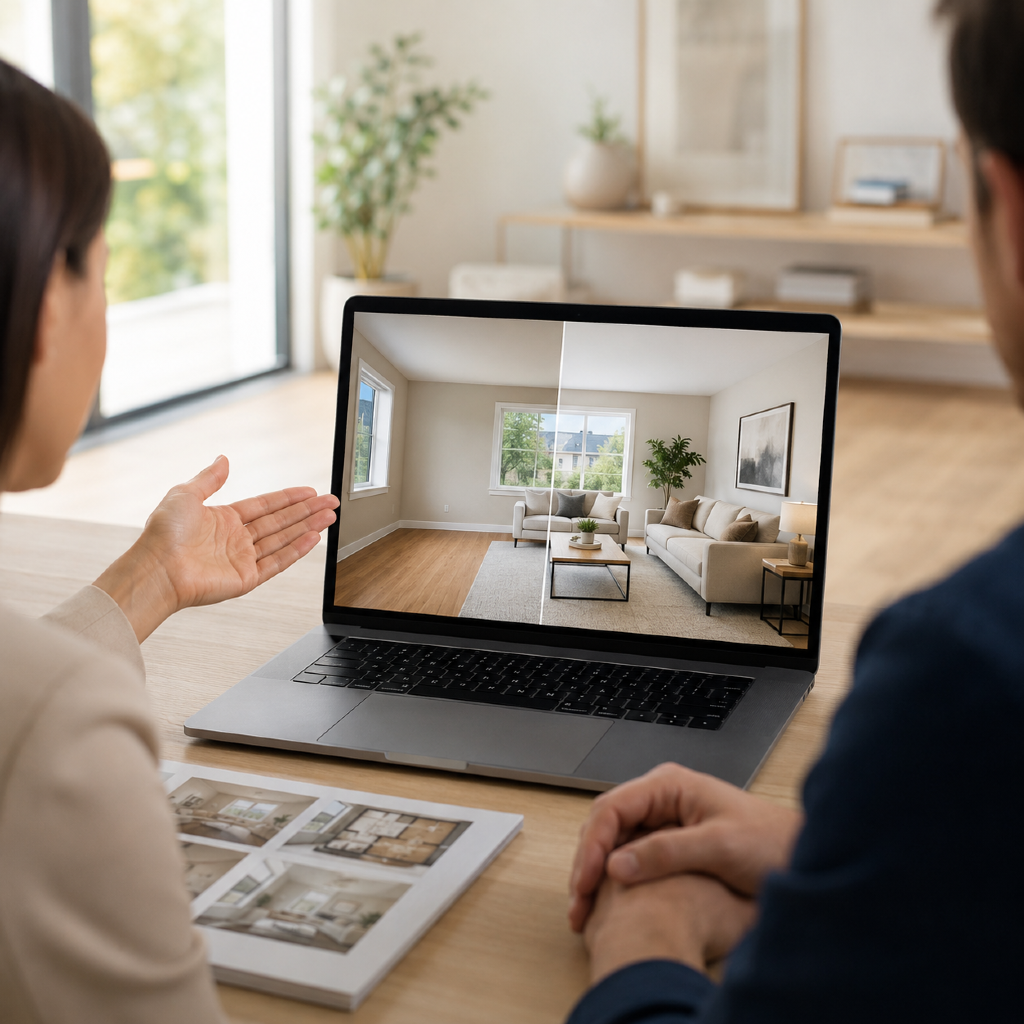
Invest in professional photography. High-quality photos can highlight your home’s best features and attract more potential buyers. Consider including virtual tours or 3D walkthroughs to give buyers an immersive experience.
Leverage social media platforms like Facebook, Instagram, and Twitter to market your home. Share your listing with your network, join local real estate groups, and consider running targeted ads to reach potential buyers in your area.
Hosting Successful Open Houses
Open houses can attract multiple potential buyers at once, increasing the chances of a quick sale. Advertise your open house through online listings, social media, and local newspapers. Ensure your home is clean, well-staged, and welcoming for visitors.
Provide refreshments and informative brochures about the home and neighborhood. This can enhance the experience for attendees and make your home stand out.
Be prepared to answer questions about the property and the local area. Buyers often want to know about schools, amenities, and the neighborhood’s overall vibe.
Negotiating Offers Like a Pro
Negotiation is a critical part of the home selling process. Be prepared to handle offers, counteroffers, and contingencies. Respond to offers promptly and professionally, and be willing to negotiate to reach a mutually beneficial agreement.
Consider working with a real estate agent who can provide expert advice and handle negotiations on your behalf. An experienced agent can help you navigate the complexities of offers and counteroffers and ensure you get the best possible deal.
Be flexible with terms such as the closing date and any contingencies. Flexibility can make your home more attractive to buyers and help close the deal faster.
Closing the Deal
The closing process involves finalizing the sale and transferring ownership to the buyer. This step includes completing paperwork, inspections, and paying closing costs. Work closely with your real estate agent and attorney to ensure all legal requirements are met and the transaction goes smoothly.
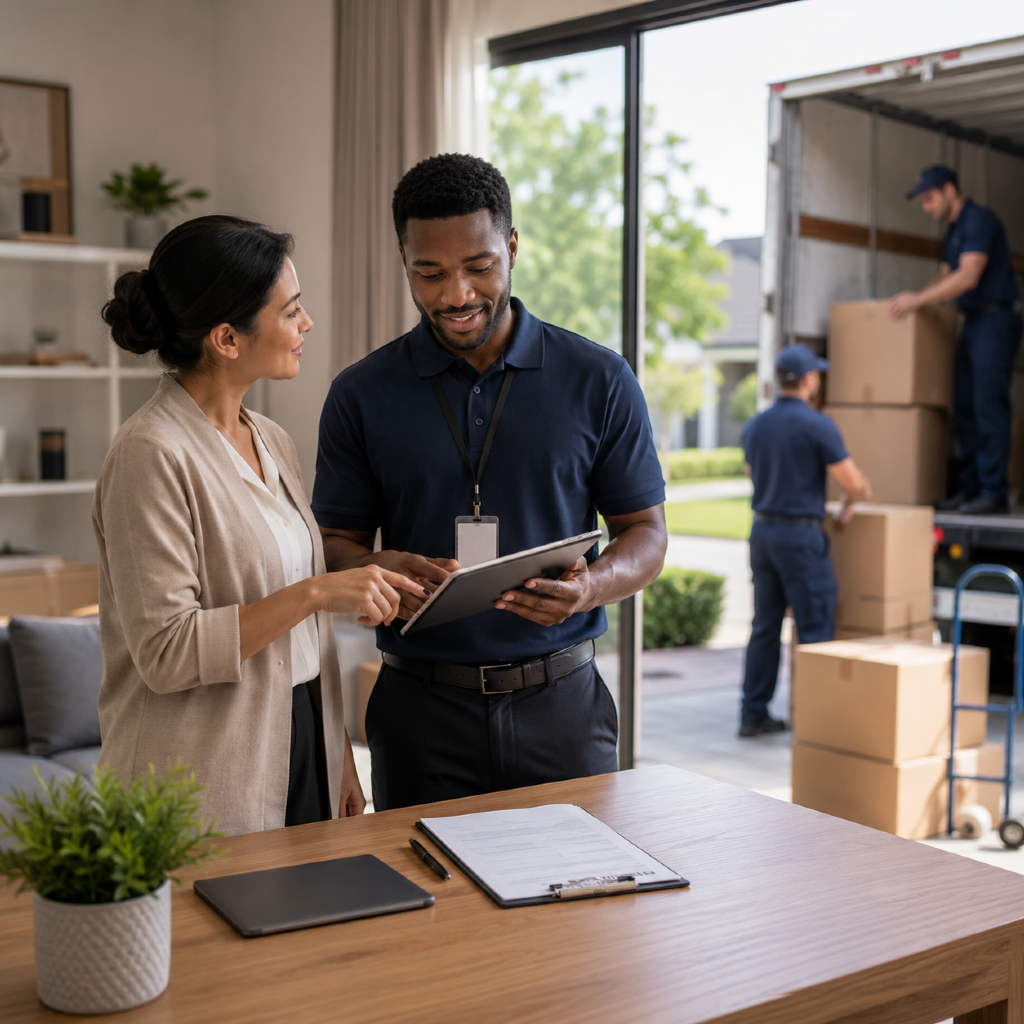
Schedule a final walkthrough with the buyer to ensure the property is in the agreed-upon condition. Address any last-minute issues that may arise to prevent delays.
Prepare all necessary documents for the closing meeting, including the deed, bill of sale, and any disclosure forms. Be ready to review and sign the final paperwork.
Conclusion
Selling your home in 2024 requires a thorough understanding of the market, careful preparation, strategic pricing, and effective marketing. By enhancing your home’s curb appeal, staging it effectively, and utilizing both online and offline marketing channels, you can attract more potential buyers and achieve a successful sale. Stay proactive, be flexible, and work closely with real estate professionals to navigate the selling process smoothly.