Key Takeaways
- Drone photography offers unique visuals that can attract buyers and highlight key property features.
- Homeowners should weigh costs, privacy, and legal factors before including drone photos in their sales strategy.
Making your home stand out is crucial in today’s market. Drone photos can deliver a fresh perspective for buyers exploring listings online or in print. Let’s explore how these aerial images work, weigh the benefits and potential drawbacks, and discuss what you need to know before using drone photography for your home sale.
What Are Drone Photos for Home Sales?
Definition and Basics
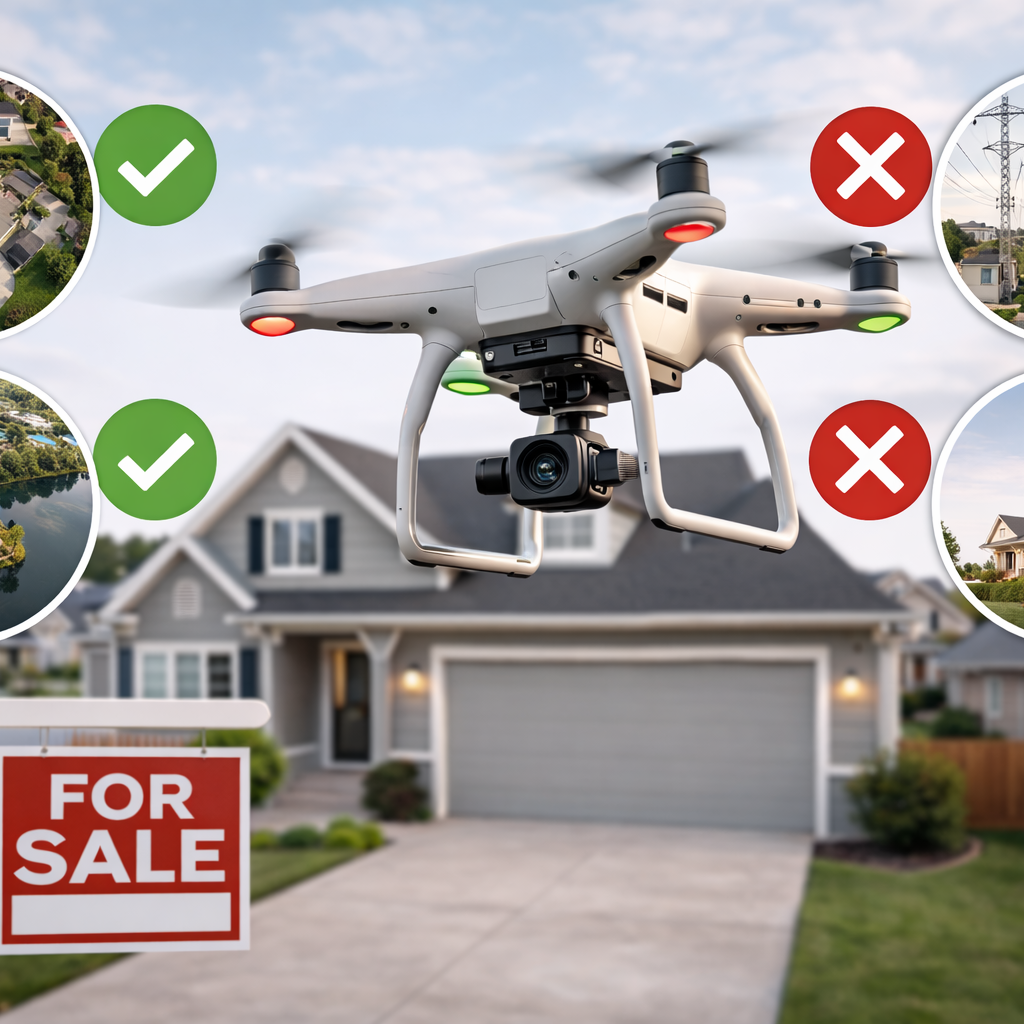
Drone photos are images taken from above the property using small, remotely piloted aircraft—drones—equipped with cameras. These photos show homes, yards, and surrounding areas from unique, elevated angles. The use of drones in real estate has grown over the last decade, offering viewpoints that aren’t possible with standard ground-level photography.
How Drone Photos Differ from Traditional Photos
Traditional real estate photos are usually taken from the street or inside the home. They provide important details, but their perspective is limited. Drone photography, on the other hand, allows you to show your home and its location from a bird’s-eye view. This approach often reveals layout, size, proximity to features like parks, and how the property sits in relation to neighbors—details that can be hard to communicate otherwise.
Why Consider Drone Photography When Selling?
Enhanced Property Perspectives
Drone images offer an open, expansive look at your property. Buyers can see the layout of the home, the driveway, landscaping features, and even the flow from yard to street. These visuals help buyers picture themselves living in the space and provide instant context about the property.
Showcasing Larger Lots or Unique Features
If your home sits on a larger lot, near notable scenery, or includes standout features such as a pool, garden, or outbuilding, drones help highlight these elements. By capturing the full property footprint, you make it easier for buyers to understand what makes your home special.
What Are the Pros of Drone Photos?
Improved Visual Appeal
Listings that include high-quality drone images often stand out visually. These photos add a modern flair and allow you to highlight the size, shape, and boundaries of your property. For many buyers, seeing the whole lot and its surroundings can be a deciding factor in choosing which homes to visit.
Highlighting Neighborhood and Amenities
With drone photos, you can showcase more than just your own property. Drones can capture nearby parks, walking trails, lakes, or other neighborhood amenities. This helps buyers understand not only the house itself, but also the lifestyle the area supports—an important part of many home searches.
Are There Any Downsides to Using Drones?
Privacy and Airspace Considerations
Bringing a drone into your neighborhood isn’t just about flying and snapping photos. You need to consider your neighbors’ privacy, since aerial photography can inadvertently capture adjacent properties. There are also rules about flying near airports or sensitive areas. Respecting local regulations and informing neighbors when using drones is always a good practice.
Possible Additional Costs
Drone photography usually costs more than standard photography. You’ll often need to hire a licensed drone operator who understands local laws and technical requirements. In some cases, editing and staging costs may be higher as well, depending on what you want to highlight or de-emphasize in the shots.
How Do You Get Drone Photos Taken?
What You’ll Need
To get high-quality drone photos, you’ll typically need:
- Access to a drone with a good camera (or a professional drone photographer)
- Permission to fly in your location (some areas require special permission)
- An understanding of what features or views you want to highlight
It is important not to fly a drone if you are unfamiliar with aviation rules or if you don’t hold the required authorizations, as this can lead to legal issues and safety risks.
Step-by-Step Drone Photo Process
- Evaluate Your Needs: Think about what parts of your property or neighborhood would benefit most from aerial shots.
- Research Local Laws: Check both federal and local requirements for drone use in residential areas.
- Find a Qualified Operator: Many homeowners choose to hire a professional with experience in real estate photography and proper certifications.
- Schedule the Shoot: Plan for good weather, as clear days lead to the best images.
- Review and Select Photos: After the shoot, you’ll typically review a set of images to select the ones that best showcase your property.
What Legal and Safety Concerns Should Homeowners Know?
Local and Federal Drone Regulations
Drone operation is regulated both by national agencies (such as the Federal Aviation Administration in the U.S.) and by local governments. Common rules include not flying over people without consent, keeping drones below certain heights, and not using them near restricted properties. Some localities may have their own strict rules about where and when drones may be operated.
Ensuring Safe and Compliant Operations
Safety and compliance are crucial. Operators must avoid flying in dangerous weather or close to bystanders. When using drone photography for your home sale, confirm that the operator is aware of—and follows—all relevant regulations. Many reputable professionals are licensed and insured, which adds a layer of protection for both you and your neighbors.
By staying informed about the pros, cons, and legal factors, you can decide if drone photos will help your home shine when it goes on the market.