
Key Takeaways:
- Selling a home in a competitive market requires strategic pricing, effective marketing, and flexibility with showings and negotiations.
- Enhancing your home’s appeal and working with an experienced real estate agent can significantly improve your chances of a successful sale.
Is it Hard for You to Sell? Learn These Tips for Selling a Home in a Competitive Market
Selling a home in a competitive market can be challenging. With many properties available and discerning buyers, it’s essential to employ effective strategies to make your home stand out. Here are some tips to help you navigate the complexities of selling your home in a competitive market.
Understanding the Competitive Market
What Makes a Market Competitive?
A competitive market, often referred to as a seller’s market, is characterized by high demand and limited inventory. In such markets, multiple buyers are vying for a small number of available homes, leading to increased competition and higher prices. Factors contributing to a competitive market include low interest rates, strong local economies, and desirable locations.
How to Identify Market Conditions
Identifying whether you’re in a competitive market involves monitoring local real estate trends. Key indicators include the average time homes stay on the market, the number of active listings, and the ratio of sale price to listing price. Real estate agents and online resources can provide valuable data to help you gauge the market conditions.
Pricing Your Home Right
Conduct a Comparative Market Analysis (CMA)
A Comparative Market Analysis (CMA) is a tool used to determine a home’s value based on recent sales of similar properties in the area. Conducting a CMA helps you set a competitive price that attracts buyers while maximizing your profit.
Consider Professional Appraisal
Hiring a professional appraiser can provide an unbiased assessment of your home’s value. An appraisal takes into account the home’s condition, location, and recent comparable sales. This information can be invaluable in setting a realistic price that appeals to buyers.
Stay Flexible with Pricing
In a competitive market, it’s crucial to remain flexible with your pricing strategy. Be open to adjusting the price based on market feedback and the level of interest from buyers. Pricing your home slightly below market value can generate more interest and potentially lead to multiple offers.
Enhancing Your Home’s Appeal
Improve Curb Appeal
First impressions matter, and curb appeal plays a significant role in attracting buyers. Ensure your lawn is well-maintained, trim bushes and trees, and add colorful flowers or plants to create an inviting exterior. Repainting the front door, updating outdoor lighting, and ensuring the driveway and walkways are clean can also enhance curb appeal.
Stage Your Home Effectively
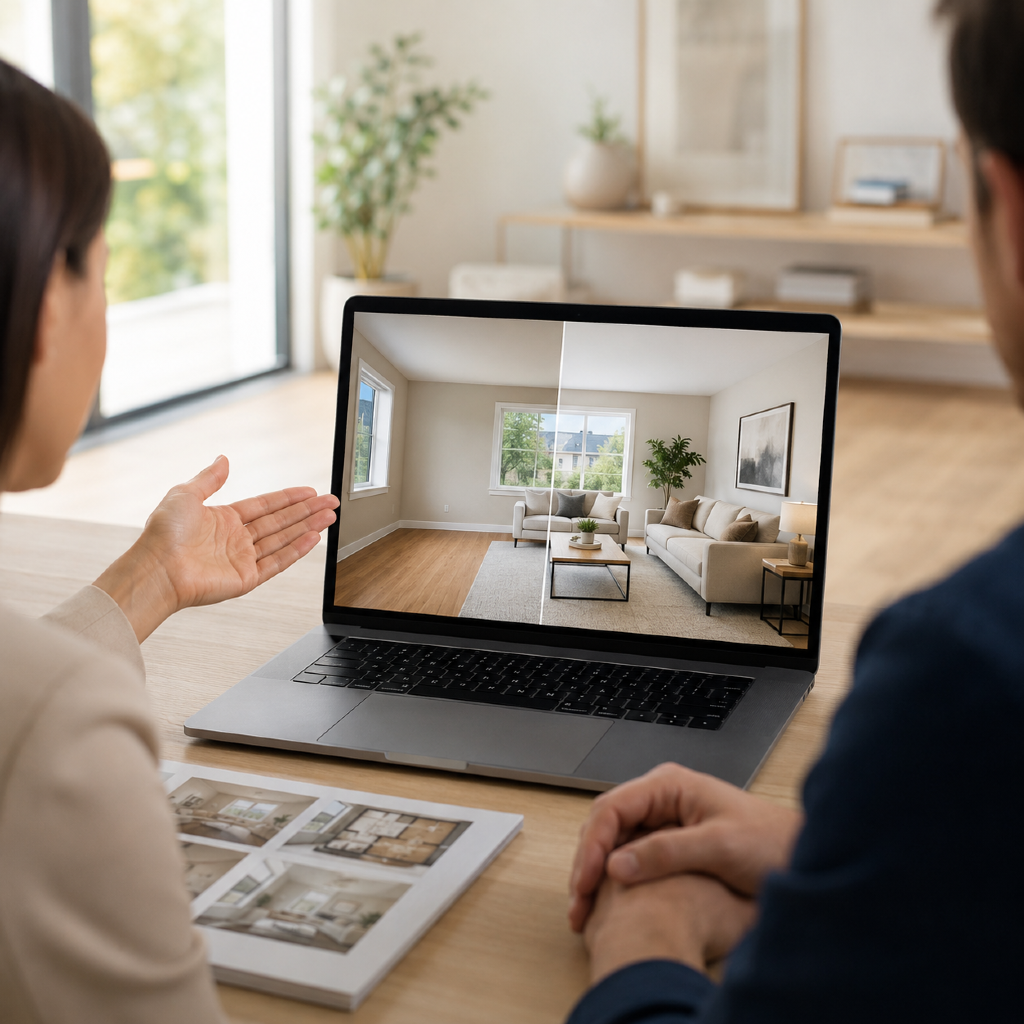
Staging your home helps potential buyers envision themselves living in the space. Declutter and depersonalize the home to create a neutral and inviting environment. Arrange furniture to highlight the home’s best features and use decor to add warmth and style. Consider hiring a professional stager for expert guidance.
Make Necessary Repairs and Upgrades
Addressing necessary repairs and making strategic upgrades can increase your home’s appeal and value. Focus on fixing obvious issues such as leaky faucets, broken tiles, and peeling paint. Consider upgrading key areas like the kitchen and bathrooms, as these can have a significant impact on buyers’ perceptions.
Effective Marketing Strategies
Use Professional Photography
High-quality photos are essential for making a strong first impression online. Hire a professional photographer to capture your home in the best light, showcasing its features and layout. Good photos can attract more potential buyers and increase interest in your property.
Leverage Social Media and Online Listings
In today’s digital age, online marketing is crucial. List your home on popular real estate websites like Zillow, Realtor.com, and Redfin. Use social media platforms such as Facebook, Instagram, and Twitter to promote your listing and reach a broader audience. Create engaging posts with photos, virtual tours, and detailed descriptions to capture attention.
Create Compelling Descriptions
Write detailed and compelling descriptions that highlight your home’s unique features and selling points. Focus on what makes your home special, such as recent renovations, energy-efficient appliances, or a spacious backyard. Use descriptive language to help potential buyers visualize living in the space.
Working with a Real Estate Agent
Choose an Experienced Agent
Selecting an experienced real estate agent who knows the local market is crucial. Look for an agent with a proven track record of selling homes in your area. They can provide valuable insights, help you set the right price, and develop a marketing strategy tailored to your property.
Utilize Their Network and Resources
Experienced agents have extensive networks and resources to market your home effectively. They can tap into their connections with other agents, potential buyers, and industry professionals to increase exposure and attract serious offers.
Follow Their Advice and Strategies
Trust your agent’s expertise and follow their advice throughout the selling process. They have the experience and knowledge to navigate challenges and maximize your home’s appeal to buyers. Whether it’s pricing strategy, staging tips, or negotiation tactics, rely on your agent’s guidance for the best results.
Being Prepared for Showings
Keep Your Home Clean and Tidy
Maintaining a clean and tidy home is essential for successful showings. Keep all areas of the home spotless, including floors, windows, and countertops. Remove clutter and personal items to create a welcoming and neutral environment. Make sure that the home smells fresh and inviting by using air fresheners or baking cookies before showings.
Be Flexible with Showing Times
Flexibility with showing times can make your home more accessible to potential buyers. Accommodate requests for showings, even if they are on short notice or outside your preferred hours. The more available your home is, the more opportunities you have to attract serious buyers.
Provide Detailed Information for Buyers
Prepare detailed information for buyers to review during showings. This can include brochures with photos and descriptions, floor plans, and information about the neighborhood and local amenities. Providing comprehensive information can help buyers make informed decisions and increase their interest in your home.
Navigating Offers and Negotiations
Evaluate Offers Carefully
When you receive offers, evaluate them carefully to understand their strengths and weaknesses. Consider not only the price but also the terms and contingencies. A higher offer with many contingencies might be less desirable than a slightly lower offer with fewer conditions.
Be Prepared to Negotiate
Negotiation is a key part of the selling process. Be prepared to negotiate with buyers on price, closing dates, and other terms. Stay flexible and open to compromise, but also know your bottom line and what you’re willing to accept.
Understand Contingencies and Conditions
Contingencies are conditions that must be met for the sale to proceed. Common contingencies include home inspections, financing approval, and appraisal results. Understand the contingencies in each offer and how they might impact the sale. Work with your agent to address any concerns and negotiate terms that are acceptable to both parties.
Closing the Deal
Ensure All Documents are Ready
Closing a real estate transaction involves significant paperwork. Ensure all necessary documents are ready, including the purchase agreement, title documents, and any disclosures. Your real estate agent and attorney can help you prepare and review these documents.
Communicate Clearly with All Parties
Clear communication with all parties involved is crucial for a smooth closing process. Keep in touch with the buyer, their agent, and your attorney to ensure that everyone is on the same page and that any issues are addressed promptly.
Prepare for the Final Walkthrough and Closing
Before the closing date, the buyer will typically conduct a final walkthrough to ensure the property is in the agreed-upon condition. Prepare for the walkthrough by ensuring the home is clean and any agreed-upon repairs have been completed. On the closing day, be prepared to sign the necessary documents and hand over the keys to the new owner.
Successfully Selling in a Competitive Market
Selling a home in a competitive market requires a strategic approach, attention to detail, and flexibility. By understanding market conditions, pricing your home correctly, enhancing its appeal, and leveraging effective marketing strategies, you can attract serious buyers and achieve a successful sale. Working with an experienced real estate agent, being prepared for showings, and navigating offers and negotiations effectively will further increase your chances of closing the deal quickly and at a favorable price.