
Key Takeaways
- Drone photos can enhance listings and attract buyer interest, but aren’t a guaranteed way to speed up a sale.
- Careful consideration of costs, property type, and legal regulations is key before investing in drone photography.
If you’re trying to decide whether drone photography is a game-changer or just eye candy for your home listing, you’re not alone. As property marketing evolves, sellers like you want clear, neutral guidance about what truly makes a difference—and what might just look impressive.
What Are Drone Photos in Real Estate?
Definition and Basic Uses
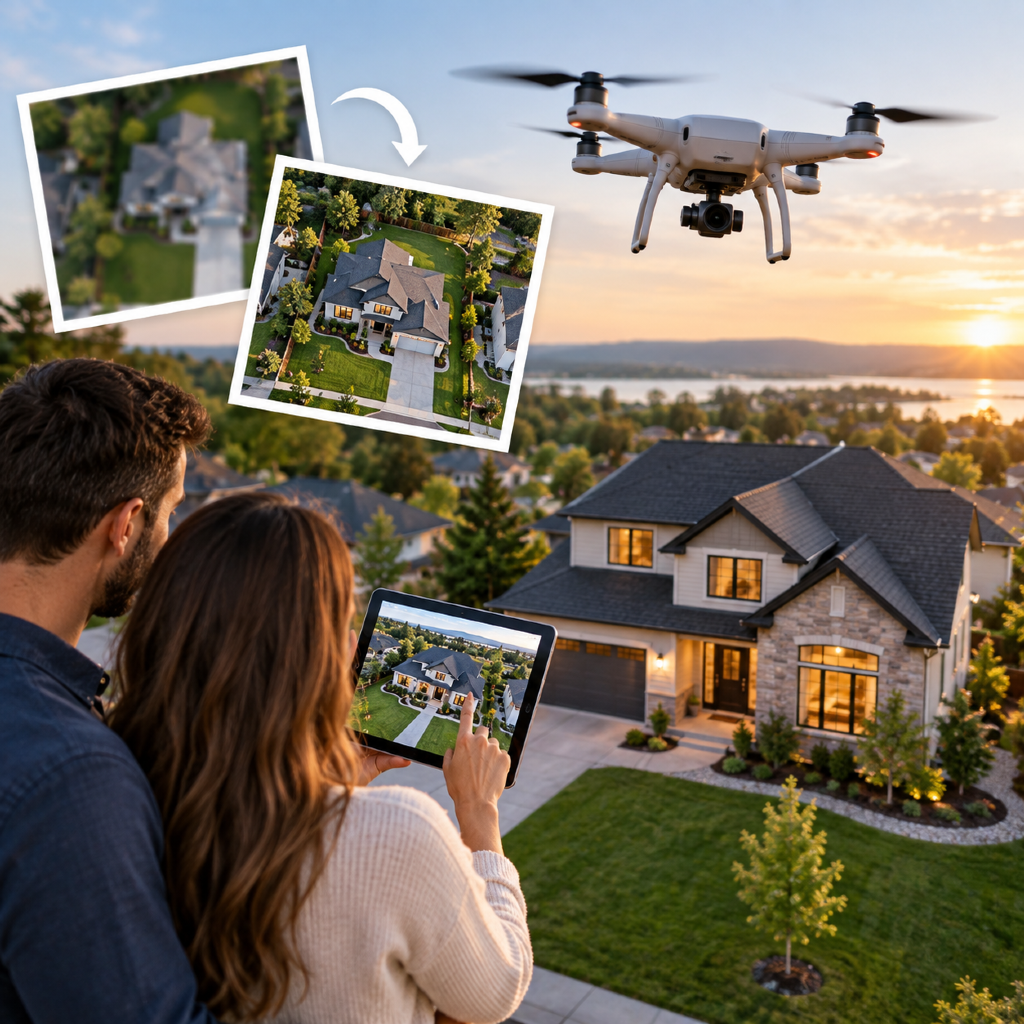
Drone photos are aerial images or videos captured using unmanned aerial vehicles, or drones. In real estate, these photos provide elevated views of a property, highlighting features that standard ground-level shots can’t capture. Typical uses include showcasing the full lot, demonstrating proximity to local amenities, and presenting rooflines or landscaping in their entirety.
How Drone Shots Differ from Traditional Photos
Traditional real estate photography takes pictures from the ground, often with wide-angle lenses to showcase interior and exterior spaces. While effective, traditional photos present a limited perspective. Drone photography, however, allows viewers to observe the setting of your home, its outdoor space, and the neighborhood from above. This broader context can help potential buyers visualize the property in relation to its surroundings.
Do Drone Photos Actually Sell Homes Faster?
What Research Says in 2026
There’s no question that striking visuals can help a listing stand out online. According to a 2026 industry consumer survey, 85% of recent buyers report that high-quality listing images strongly influenced their decision to schedule a tour. However, current data does not directly link drone photography itself to consistently faster home sales. While many homes featuring aerial photos attract more online views, factors such as price, location, and market conditions still play the primary role in how quickly a property sells.
Which Factors Really Impact Sale Speed?
Speed to sale is influenced by a mix of elements: competitive pricing, property condition, seasonality, local demand, and marketing strategy (which can include, but is not limited to, photography). Drone images may help your property catch the eye of interested buyers, especially for homes with unique land features, location advantages, or expansive lots. But it’s important to understand that even the flashiest images won’t compensate for mispriced or poorly maintained listings.
Are Drone Images Only for Luxury Listings?
Typical Properties Using Drones
In the early years of drone photography, aerial photos were most often associated with luxury homes or sprawling estates. Today, however, drones are used for a much wider range of listings. New construction, suburban properties, and even townhomes sometimes feature drone shots, particularly when outdoor features or location are strong selling points.
Benefits for Standard Homes
Standard homes can also benefit from drone imagery, especially when you want to show proximity to parks, schools, or downtown areas, or to highlight a well-kept backyard. For smaller properties or those in densely built neighborhoods, drone photos can help buyers understand layout or lot lines. Ultimately, the value lies in conveying something meaningful to buyers—not just adding aerial images for the sake of novelty.
Why Do Drone Photos Appeal to Buyers?
Visual Storytelling Impact
Drone photos are a form of visual storytelling, allowing you to present your home in a unique and engaging way. They capture the ‘big picture’—literally—by providing perspective on the lot, neighborhood, and local amenities. When buyers can see how your property fits into its surroundings, it can build an emotional connection and inspire them to learn more.
What Buyers Disclose in Surveys
Surveys conducted between 2025 and 2026 show a growing preference for listings with diverse, high-quality photography, including aerial shots. Buyers report that such images help them quickly decide if a property matches their needs, especially for relocation moves or when touring homes remotely. However, the same surveys reveal that buyers weigh factors like price, location, and home condition more heavily when making final purchase decisions.
What Limitations or Risks Exist?
Regulatory and Weather Factors
Drone photography in real estate must comply with local and federal regulations. Operators typically need licenses and must respect flight restrictions around airports, certain government buildings, or densely populated areas. Weather can also limit scheduling—wind, rain, or poor visibility can postpone aerial shoots or affect image quality.
Privacy and Safety Considerations
It’s crucial to respect the privacy of neighbors and those in the area when capturing aerial images. Notices may be required in some communities. Additionally, safe operation of drones means working with skilled, licensed pilots who prioritize both image results and the safety of people and property. Unlawful, unsafe, or inconsiderate drone use can expose sellers to liability concerns or disputes.
How Should Sellers Decide on Drone Photography?
Questions to Ask Before Hiring
Before you invest in drone photography, consider:
- What unique features does your property offer from above?
- Are aerial shots likely to add context that traditional photos cannot?
- Is the photographer licensed and insured for drone use?
- Are there local restrictions or requirements regarding drone flights?
- What is the cost, and what do you get (photo, video, editing, number of images)?
Balancing Cost and Home Type
The investment in drone photography varies, and its value depends on your property’s characteristics and the goals of your listing. For homes where aerial perspective adds genuine value—or if you’re in a competitive market—aerial photos can be worthwhile. For small lots, condos, or listings with few exterior features, standard photography might be the most effective and practical choice. Always weigh potential impact against the incremental cost.
FAQ: Drone Photos and Home Selling
Common Misconceptions
Some common myths around drone photography include:
- “Aerial images guarantee a faster sale.” While these images can boost interest, no form of photography assures a quick closing.
- “Drones are only for expensive homes.” Today, properties of all sizes and price points can benefit from creative aerial images if used thoughtfully.
- “Drone photography is always legal and safe.” Both compliance with rules and community courtesy are essential, no matter the type of property.
Where to Find Reliable Information
To make the best choice for your situation, look to reputable real estate associations, consumer advocacy organizations, and your local authority on drone operation. These sources regularly update their guidelines and can explain any specific local restrictions or requirements. When in doubt, seek out education-focused resources that prioritize transparency and consumer protection, and always verify drone operators’ credentials.